How to Safely Disinfect Felt Privacy Dividers
Founder & Workspace Ergonomics Specialist at Desktop Carrel · Certified Professional Ergonomist (CPE), WELL Accredited Professional (WELL AP) · 13+ years testing acoustic privacy panels, modular carrels, and productivity workspace ergonomics
If you've ever stared at a dusty felt desk divider and wondered how to disinfect felt desktop privacy dividers safely, you're right to pause. Felt is porous, dyed, and often glued to a backing board, so the spray-and-wipe habit you use on plastic surfaces can wreck it fast. Get the method wrong and you're looking at dye bleed, warped cores, or stripped flame retardant.
Manufacturer specifications indicate most acoustic felt panels carry an ASTM E84 Class A or EN 13501-1 fire rating that certain chemicals can void. Add the fact that divided workstations are prime fomite territory, and the stakes are clear. Here's how to match the right disinfection method to your specific panel.
how to disinfect felt desktop privacy dividers safely
Start with a HEPA vacuum to lift loose dust. Match the method to felt type: PET tolerates 70% isopropyl alcohol, wool needs controlled steam. Always spot-test in a hidden area first.
Keep liquids off the surface, respect the product's wet contact time, and let the panel air-dry completely. Never soak felt or use bleach.
The Real Problem With Felt (And Why Spray-and-Wipe Fails)
Felt isn't a wipeable surface. It's a porous, needle-punched or woven textile that absorbs liquid instead of holding it on top. That single trait breaks almost every standard disinfection habit.
When you spray a disinfectant onto felt, two bad things happen. First, the liquid soaks in and sits below the surface, where it can feed mold and mildew in humid conditions. Second, the fibers pull the product away from the surface before the required wet contact time is met, so any germs on top survive anyway.
You get a wet panel and a false sense of clean.
There's a third problem most people miss: residue. Quaternary ammonium compounds, the active ingredient in many common disinfectants, leave a sticky film on fabric. That film grabs dust and lint, which is why a "cleaned" divider sometimes looks dirtier within a week.
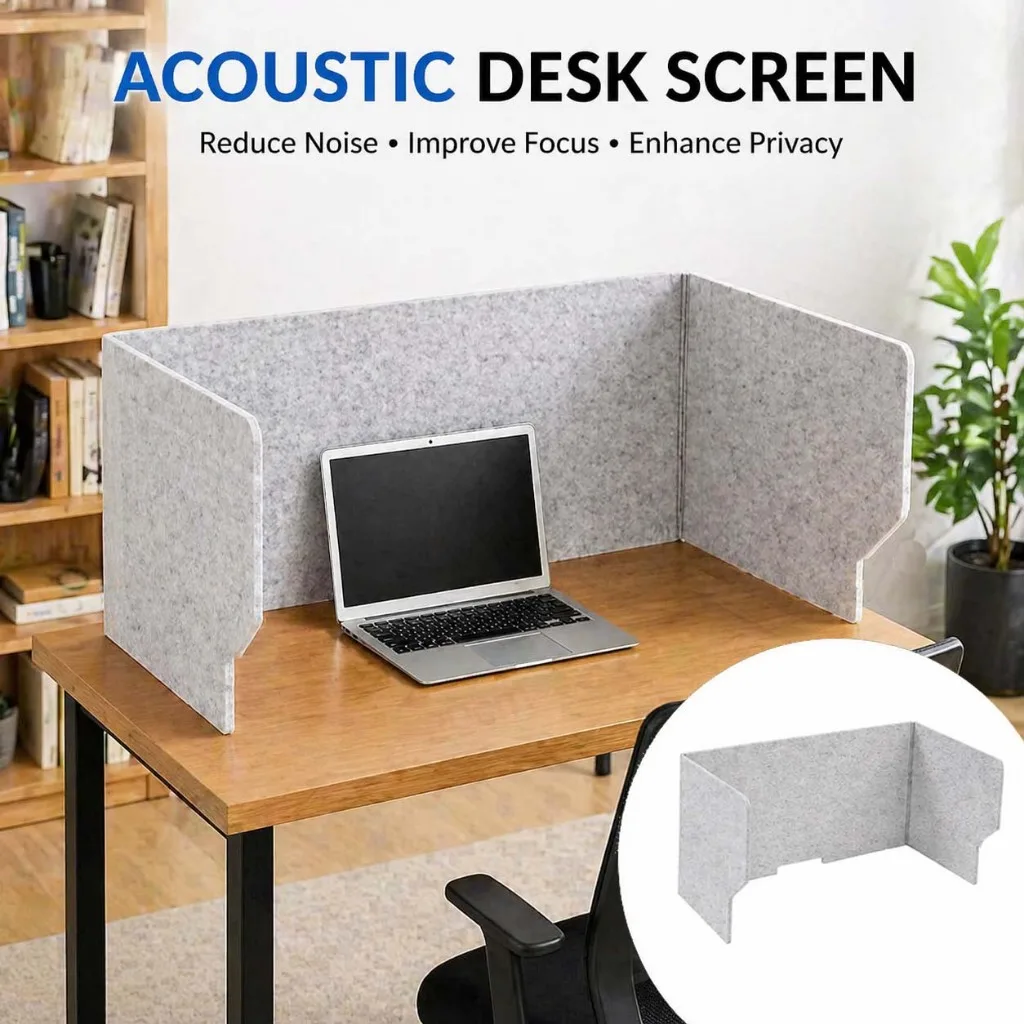
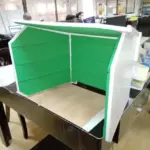
Image source: Web (Bing) / shopee.ph (Web image (fair-use with source credit))
Combine that with the material risks. Alcohol strips dye from some dyed felts. Bleach destroys PET fibers outright.
Steam applied too close scorches the surface and can delaminate the backing. So the correct approach isn't "find a felt-safe spray." It's choosing a method based on what you're actually removing.
Your Two Big Decision Variables: Felt Type and Dirt Level
Two questions decide everything. What is your divider made of, and what are you trying to remove? Answer those and the method picks itself.
Wool Felt vs. PET Felt: What Each One Tolerates
Wool felt is protein-based, which makes it sensitive to bleach, strong alkalis, and prolonged moisture. PET felt is recycled polyester, so it's tougher against moisture but vulnerable to high heat and solvent-heavy products. If you don't know which you have, check the label or the product listing, or run a fiber test.
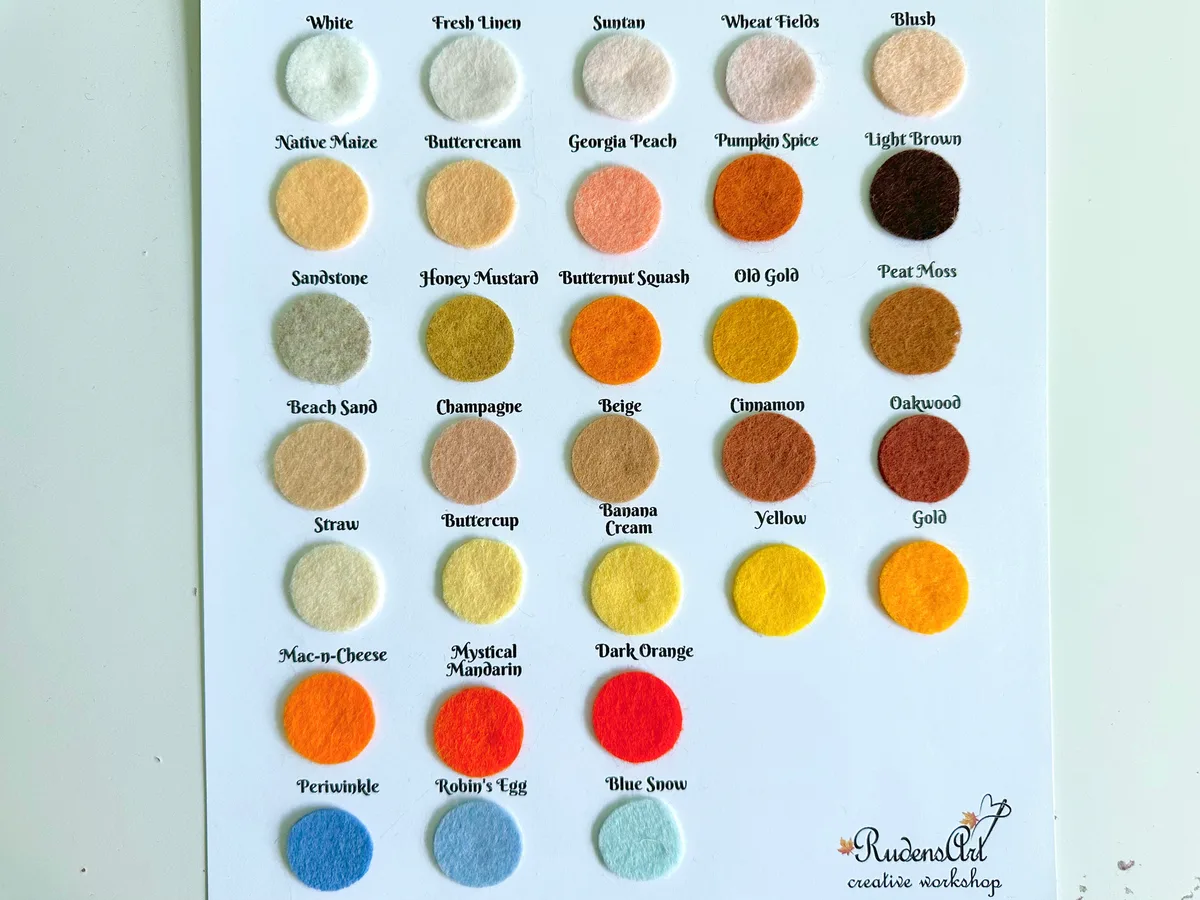
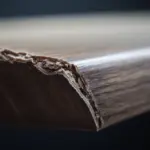
Image source: Bing (Web (fair-use with source credit))
| Property | Wool Felt | PET Felt |
|---|---|---|
| Fiber base | Animal protein | Recycled polyester |
| Moisture tolerance | Low, mold risk | Moderate |
| Solvent tolerance | Low | Moderate (no heavy solvent) |
| Heat tolerance | Moderate (steam ok, distance matters) | Low (scorches easily) |
| Best disinfection method | Controlled steam | 70% IPA spot treatment |
Surface Dust vs. Germs vs. Odor: Three Different Jobs
Dust, germs, and odor aren't the same problem, so they don't get the same fix. Dry dust calls for physical removal with a HEPA vacuum or lint roller, no chemicals needed. Germs on a known-touch surface call for a targeted disinfectant with proper contact time.
Lingering odor usually means trapped oils, sweat, or moisture deep in the fibers, and that needs enzyme treatment or professional cleaning rather than a surface spray. If you treat all three the same way, you'll over-wet the panel and under-solve the actual problem.
The Right Method for Your Situation (Pick Your Branch)
Here's the decision tree. Find your row, follow the branch, use the method. Every branch assumes you've already spot-tested on a hidden corner and waited 24 hours.
| Your Situation | Felt Type | Method |
|---|---|---|
| Routine dust, no illness | Any | HEPA vacuum + lint roller |
| Germ disinfection | PET | 70% IPA or hydrogen peroxide spot treatment |
| Germ disinfection | Wool | Handheld steam at 6-12 inches |
| High-risk shared desk | Any | UV-C cycle or professional textile cleaning |
| Odor or deep contamination | Any | Enzyme or encapsulation treatment |
Branch 1: Routine Dust and Debris (HEPA Vacuum + Lint Roller)
If your only issue is dust, skip the chemicals entirely. Dry removal is safer for the fibers and just as effective for the daily grime that builds up on a shared desk.
- Run a soft brush attachment over the panel to loosen surface debris.
- Follow with a HEPA vacuum rated H13 or higher to trap fine particles, not re-release them.
- Finish with a lint roller on high-visibility areas like the top edge and corners.
- Do this weekly. It's the cheapest habit that keeps dividers looking clean.
Branch 2: Germ Disinfection on PET Felt (Alcohol or Peroxide Spot Treatment)
If you need to kill germs and your divider is PET felt, your best bet is a 70% isopropyl alcohol or hydrogen peroxide-based disinfectant, applied sparingly. Per EPA List N guidance, these are among the registered actives trusted on hard and soft surfaces, though the FDA and CDC still stress that porous surfaces need careful handling.
Don't drench the panel. Mist a microfiber cloth, then dab the surface, working in small sections. Let it sit for the product's stated contact time, typically 30 seconds for alcohol.
Air-dry fully before use. Never spray directly onto the felt.
Branch 3: Germ Disinfection on Wool Felt (Steam at Controlled Distance)
Wool needs the gentlest touch, and steam is your ally when used correctly. A handheld steam cleaner kills pathogens with heat alone, no chemical residue left behind.
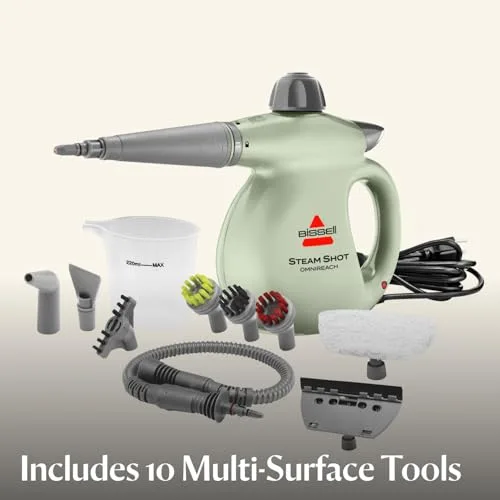
Image source: Web (Bing) / fado.vn (Web image (fair-use with source credit))
Hold the nozzle 6 to 12 inches from the felt and move continuously. Two or three passes over each area is enough. The goal is to warm and sanitize the surface, not saturate it.
Any closer than 6 inches risks scorching and delamination, especially on MDF-backed panels.
Branch 4: High-Risk Shared Desks (UV-C or Professional Cleaning)
If your divider sits in a hot-desk, clinic, or call center where many people share the space, surface cleaning alone may not cut it. UV-C at 254 nm can inactivate pathogens on direct line of sight, which makes it a good supplement for high-traffic panels.
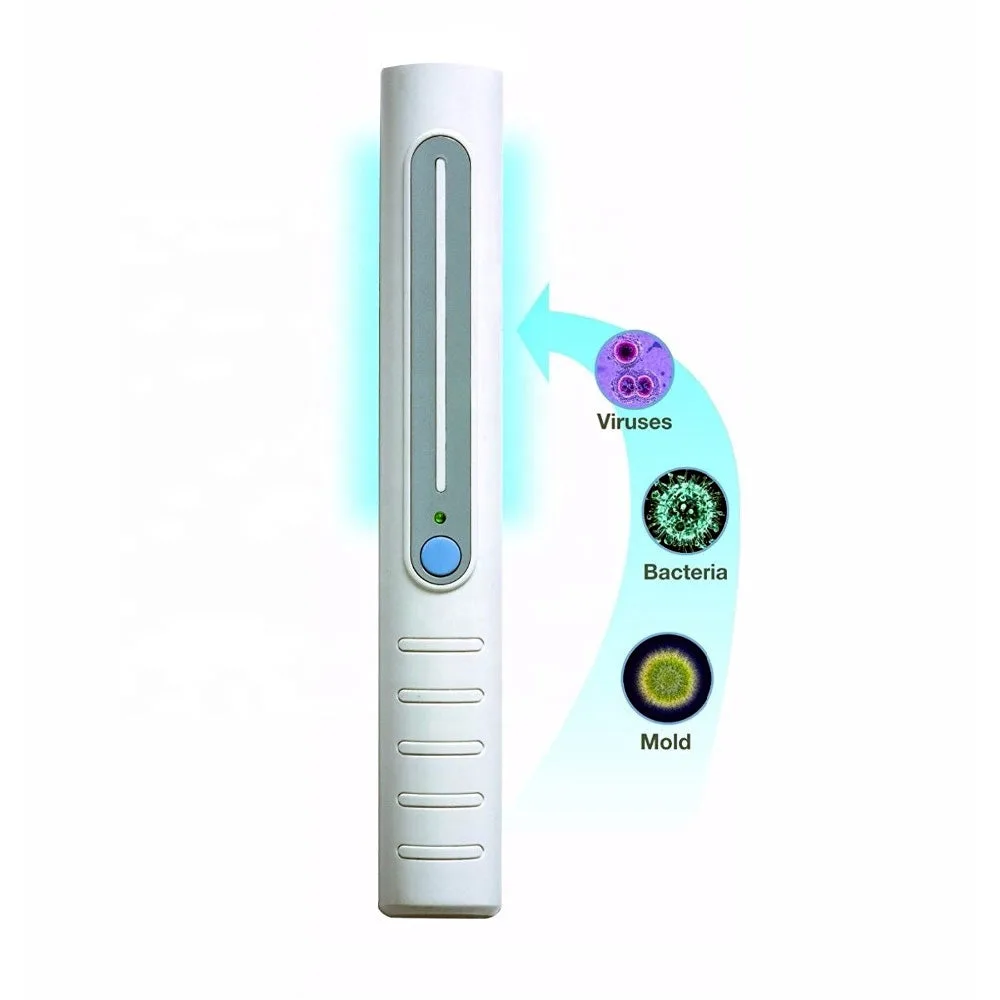
Image source: Web (Bing) / bulbamerica.com (Web image (fair-use with source credit))
Two rules matter here. First, never operate UV-C around people, since it harms eyes and skin. Second, remember shadowing: germs hiding in creases or behind folds survive because light can't reach them.
For serious contamination, professional textile cleaning with proper extraction equipment is the safest call.
Branch 5: Odor and Deep Contamination (Enzyme or Encapsulation Treatment)
Odor means the problem is inside the fibers, not on top. Enzyme cleaners break down the organic matter causing the smell. Encapsulation sprays trap residue in a crystalline structure you can then vacuum away.
Both require the panel to dry fully, often 24 to 48 hours if it got saturated.
Contact Time, Dilution, and the Numbers That Actually Matter
Liquid disinfectants only work if they stay wet for the full contact time, and felt fights you on that. Here are the numbers to keep in your head.
| Disinfectant | Typical Contact Time | Felt Notes |
|---|---|---|
| 70% isopropyl alcohol | 30 seconds | Evaporates fast, dab don't spray |
| Hydrogen peroxide | 1 minute | Spot-test for colorfastness |
| Quaternary ammonium | Up to 10 minutes | Leaves residue, avoid on wool |
| Steam | Continuous 2-3 passes | Heat kills, no chemical left behind |
| UV-C | 1-30 seconds direct | Shadowing limits coverage |
Mistakes That Kill Felt Dividers (And Void Fire Ratings)
Most ruined dividers die from a handful of predictable errors. Here's what to avoid, if/then style.
If you sprayed disinfectant directly onto the felt, you've likely over-wet it. Switch to misting a cloth and dabbing from now on. If you reached for bleach or a phenol-based cleaner, stop immediately, because both destroy PET fibers and strip flame retardants.
If you scrubbed with a stiff brush, you've probably pilled the surface. Felt recovers poorly from abrasion. If you steamed closer than 6 inches, check for delamination along the panel edges.
A voided ASTM E84 Class A rating is the costliest mistake. Some chemical treatments quietly remove the flame retardant, and you won't notice until an inspection or insurance review. Always check the manufacturer's care guide before applying anything new.
Watch for these specific killers:
- Soaking the panel, which invites mold in humid climates
- Leaving quat residue, which attracts dust
- Using UV-C with people present (eye and skin hazard)
- Ignoring shadowing, so UV-C misses creases
- Skipping the spot test and bleaching a dyed panel
Daily, Weekly, Monthly: A Cleaning Schedule That Sticks
Consistency beats intensity here. Felt dividers last years longer when you clean little and often, rather than deep-cleaning rarely.
For daily habits, do a quick lint-roll of high-touch zones at the end of each shift. That's the top edge, corners, and anywhere hands rest. It takes 30 seconds and removes most surface soil before it works into the fibers.
Weekly, run a HEPA vacuum pass over the whole panel. This handles the dust that accumulates and keeps allergy triggers down. If the divider is in a hot-desk setup, add a disinfection pass using your material-matched method.
Monthly, inspect for trouble. Look for delamination, permanent staining, or stubborn odor. Any of those signals mean it's time for a deeper treatment or a professional clean.
| Frequency | Task | Method |
|---|---|---|
| Daily | Lint-roll touchpoints | Dry |
| Weekly | Full dust removal | HEPA vacuum |
| Weekly | Disinfection (shared desks) | Material-matched |
| Monthly | Inspection | Visual + odor check |
| Quarterly | Deep clean | Steam / professional |
Compliance, Safety, and Warranty Basics
Check the warranty before you clean, not after. Many acoustic panel makers specify approved cleaning methods, and using the wrong one voids coverage.
On the safety side, UV-C demands strict handling. Never operate a wand or cabinet where people are present, because 254 nm light harms eyes and skin. Chemical disinfectants need ventilation and, for concentrates, proper dilution per the Safety Data Sheet.
If your workspace falls under healthcare, dental, or food-adjacent rules, keep a cleaning log. Documenting which method and product you used supports compliance audits and protects you if hygiene questions arise.
For disinfection claims, stick to EPA-registered products. As of 2026, regulations around antimicrobial marketing claims have tightened, so "antibacterial felt" labels deserve a skeptical eye unless backed by an ISO 18184 test result.
FAQs
Can I use disinfecting wipes on felt dividers?
No, not on the felt itself. Wipes are designed for hard, non-porous surfaces. On felt, they leave the surface wet without meeting proper contact time.
Wipe the frame or desk edge instead, and treat the felt with a material-matched dry or steam method.
Is steam safe for all felt desktop privacy dividers?
No. Steam suits wool felt when held 6 to 12 inches away. PET felt scorches easily, so keep steam off it.
Always spot-test on a hidden corner and let it dry 24 hours before committing.
How often should I disinfect a shared-desk divider?
Weekly for routine hygiene, and after any known illness exposure. High-traffic hot-desk panels in clinics or call centers may need disinfection every one to two days. Match frequency to traffic and documented risk.
What kills germs on felt without ruining it?
For PET felt, 70% isopropyl alcohol dabbed on with a cloth works well. For wool felt, controlled steam is the safest option. Both avoid the saturation and residue problems that ruin felt over time.
Can I use bleach on felt dividers?
Never. Bleach destroys PET fibers and strips flame-retardant treatments. It also bleeds dye from most colored felts.
Stick to alcohol, hydrogen peroxide, or steam depending on the fiber type.
Does UV-C actually work on fabric surfaces?
Yes, but only on what it can see. UV-C at 254 nm inactivates pathogens on direct line of sight. Folds, creases, and shadows block it, so rotate the panel and supplement with physical cleaning for full coverage.

Similar Posts