5 Easy Ways to Weight Down a Tabletop Carrel
Founder & Workspace Ergonomics Specialist at Desktop Carrel · Certified Professional Ergonomist (CPE), WELL Accredited Professional (WELL AP) · 13+ years testing acoustic privacy panels, modular carrels, and productivity workspace ergonomics
A lightweight tabletop carrel is a wonderful tool right up to the moment someone brushes past it and the whole thing tips over. If you're searching for ways to weight down a lightweight tabletop carrel, you're in the right place. The good news: there are a dozen reliable methods, from sandbags to steel plates, and most of them take under five minutes to set up.
In our research across library furniture specs and furniture stability guidance, a tall narrow panel can topple with less than five pounds of lateral force. That's a nudge from a backpack or a strong HVAC draft. The U.S.
Consumer Product Safety Commission treats furniture tip-over as a genuine hazard, and ASTM F2057 sets the benchmark for stability testing. Below, we'll walk through the method that fits your carrel, your table, and your mobility needs.
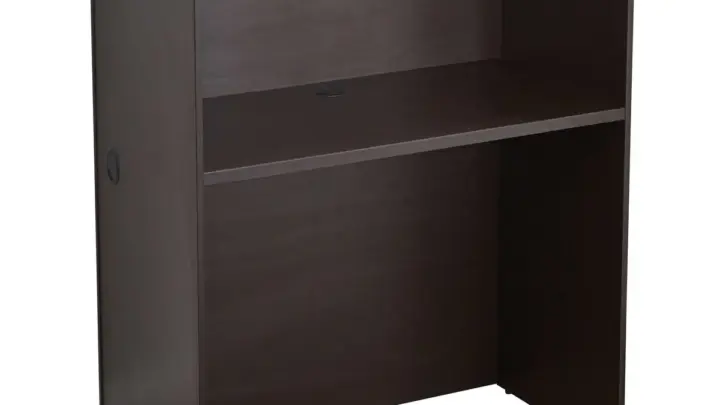
ways to weight down a lightweight tabletop carrel
Weight low, not high. Use sandbags, steel plates, or water jugs placed as close to the base as possible. Add a rubber mat or non-slip pad under the base.
Secure the top edge with a clamp or strap if the carrel is tall. Test with a firm nudge before trusting it.
Why Your Carrel Tips Over in the First Place
Every tip-over comes down to physics. The carrel's center of gravity sits high because the panel is tall and the base is narrow. When lateral force exceeds the base's resistance, the whole unit rotates and falls.
Think of it like a lever. The distance from the base pivot to the top edge is the moment arm. The longer that arm, the less force it takes to topple the unit.
A 24-inch panel tips easily. A 12-inch panel barely budges.
Center of Gravity, Moment Arm, and Why Tall Panels Are So Easy to Knock Over
Manufacturer specs for lightweight carrels typically list weights between 5 and 30 pounds. A 20-pound carrel standing 36 inches tall has a moment arm twice as long as a 20-pound carrel at 18 inches. Same weight, double the tip-over risk.
Add ballast at the very bottom and you drop the center of gravity. That's the whole game. Weight placed high does almost nothing useful.
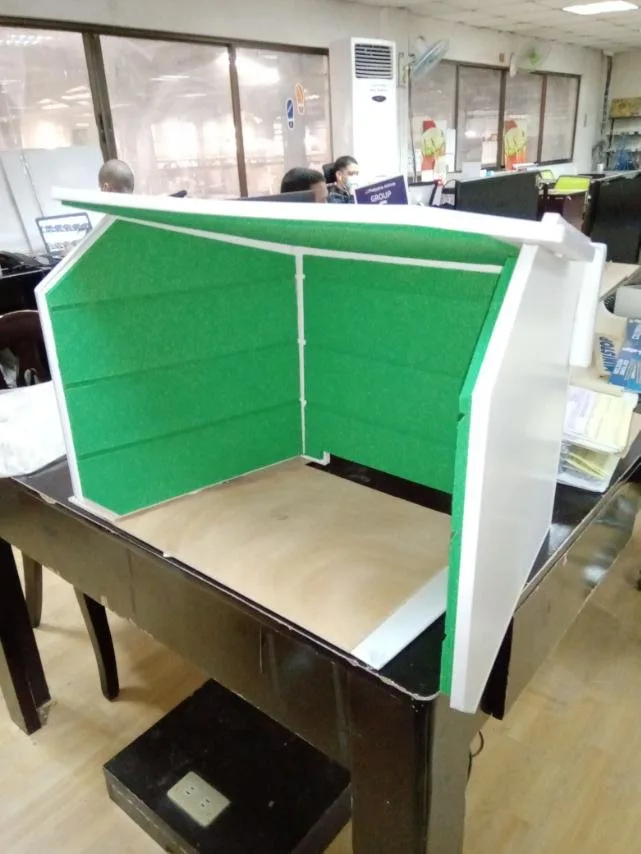
Image source: Bing (Web (fair-use with source credit))
The Two Real Enemies: Slick Surfaces and Narrow Footprints
A slick laminate or glass table is the worst-case surface. Friction coefficients for felt on laminate land around 0.2, while rubber on the same surface hits 0.6 or higher. That gap is the difference between a stable carrel and one that slides when you lean on it.
Narrow footprints make it worse. If the base is wider than the panel, you're fine. If it's narrower, you need counterweight, not luck.
Image source: Bing (Web (fair-use with source credit))
When a Carrel Actually Needs Weight (and When It Doesn't)
Skip the ballast if the carrel sits in a corner, against a wall, or in a low-traffic area. Skip it if the base is wider than the panel is tall.
Add weight if any of these is true:
- The carrel is in a walkway, doorway, or high-traffic path
- It's taller than 24 inches with a base under 12 inches wide
- The surface is glass, laminate, or polished wood
- Kids, pets, or drafty HVAC vents are nearby
- It's used in a testing room, trade show, or shared space
The moment you tick two boxes, add ballast.
Match Your Situation Before You Pick a Method
There's no single best weighting method. The right choice depends on your carrel's material, your table surface, and how often you move the thing. Run through the four questions below before you buy or build anything.
What Type of Carrel You Have: Foam-Core, Corrugated, Hollow-Core, or Framed
If you've got a foam-core or corrugated plastic carrel, the base is probably hollow. That's actually good news. You can slip flat steel plates or a weighted tray inside the base and hide the ballast entirely.
If you've got a hollow-core MDF or framed unit, the base is heavier already but still narrow. External weights like sandbags or plate stacks work better here because you can't easily access the interior.
If your carrel has a metal frame with a fabric panel, the base is usually a flat foot. Drape weights or weighted fabric tape along the floor hem work beautifully.
What Kind of Surface It Sits On: Laminate, Glass, Carpet, or Textured Wood
If the table is glass or polished laminate, use both ballast and a rubber mat. Weight alone won't grip. The mat does the gripping while the weight lowers the center of gravity.
If the surface is carpeted, you don't need as much friction help. Carpet naturally resists sliding, but it's also uneven. Use a wider, flatter ballast base so the carrel doesn't rock.
If it's textured wood with visible grain, avoid putty and adhesive. They leave residue in the grooves. Stick with sandbags or plates.
How Mobile Does It Need to Stay?
If you pack the carrel away daily, choose removable weights: sandbags, water jugs, or hook-and-loop straps. Anything permanent defeats the purpose.
If the carrel stays put for months, internal ballast works. Flat steel plates in the base, hidden trays, or a bolt-on weighted foot will do the job cleanly.
Does It Have to Look Good, Or Just Stop Wobbling?
In a church hall, library, or trade show booth, visible sandbags look wrong. In a garage workshop, nobody cares.
For visible settings, use internal ballast, weighted fabric drapes, or a base plate that matches the table. For utility settings, sandbags and jugs are faster and cheaper.
The Weighting Options That Actually Work
Five methods cover about 95 percent of lightweight carrel scenarios. Each one has a specific best-use case. Pick the row in the table below that matches your setup, then read the details.
| Method | Best For | Typical Weight | Cost Range |
|---|---|---|---|
| Sandbags / shot bags | Mobile, ugly-is-fine setups | 5 to 25 lbs each | $8 to $30 |
| Steel plates / barbell plates | Permanent, hidden ballast | 2.5 to 45 lbs each | $15 to $60 |
| Water jugs | Free, temporary, quick | 8 to 40 lbs each | $0 to $5 |
| Weighted fabric / drape tape | Folding fabric-panel carrels | 1 to 8 lbs total | $10 to $40 |
| Hidden ballast trays | Any carrel with a hollow base | 5 to 30 lbs | $20 to $80 |
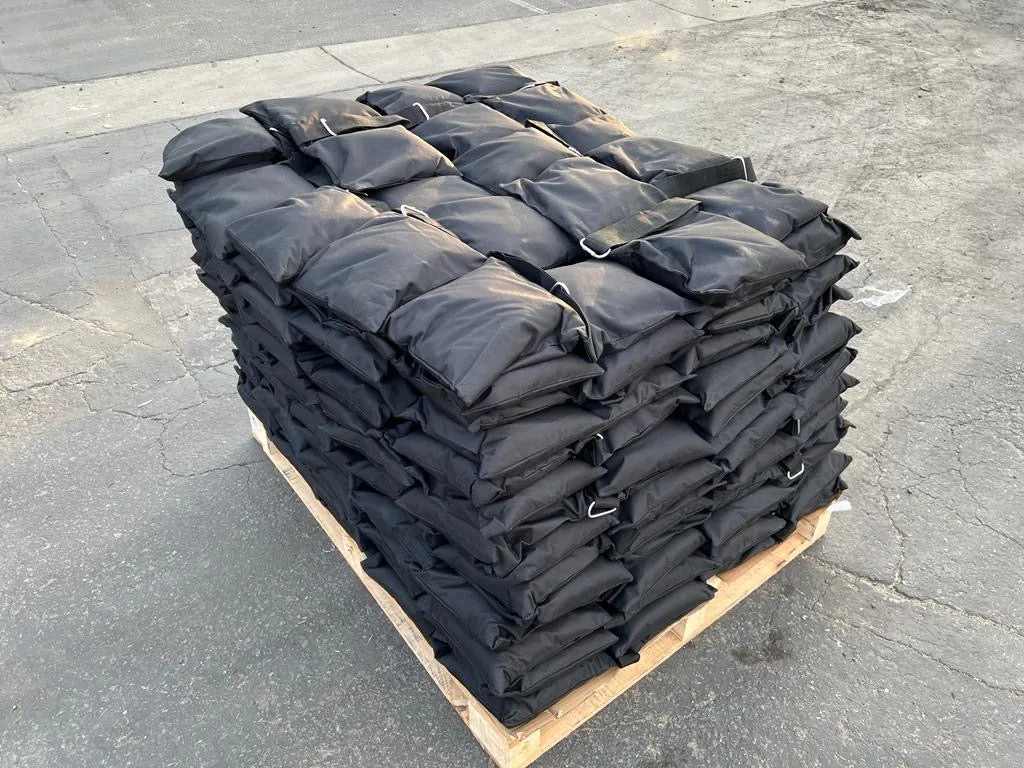
Image source: Bing (Web (fair-use with source credit))
Sandbags and Shot Bags: Cheap, Effective, and Slightly Messy
Sandbags are the default for a reason. They're cheap, they mold to any base shape, and 10 to 25 pounds will stabilize almost any tabletop carrel. Aggregate user reviews frequently warn about leaks, though.
Double-bag them or look for stitched canvas with a sealed liner.
Best for: classrooms, testing rooms, temporary setups, foam-core carrels that need quick ballast.
Steel Plates and Barbell Plates: Low Profile, High Mass
A 10-pound steel plate is roughly the size of a dinner plate and less than an inch thick. Slide two of them under the carrel base and you've got 20 pounds of low-profile ballast that hides under the panel. This is the cleanest solution for glass or laminate surfaces.
Best for: libraries, trade shows, anywhere aesthetics matter.
Water Jugs and Bottled Ballast: Free but Bulky
Fill a couple of one-gallon jugs and you've got 16 pounds of ballast for free. It's not elegant, and it's bulky. But as a stopgap in a hotel conference room or a rented hall, nothing beats it.
Best for: emergency setups, renters who can't drill or install anything permanent.
Weighted Fabric and Drape Tape for Panels That Fold
Fabric-panel carrels often have a hem along the bottom. Sew-in drape weights, usually 1 to 4 ounces each, add mass without adding bulk. Line the full hem and you'll add 2 to 6 pounds exactly where it counts.
Best for: folding carrels, fabric dividers, portable privacy screens.
Hidden Ballast: Trays, Base Plates, and Internal Compartments
If your carrel has a hollow base or an open cavity, build a small tray that slides inside. Load it with steel shot, sand, or plates. You get all the ballast with none of the visual clutter.
Best for: permanent installations, library and classroom carrels that never move.
Gripping the Table: The Layer Most People Skip
Ballast alone won't save a carrel on a slick surface. You need friction. That's the layer almost everyone forgets, and it's the one that stops small nudges from turning into slow slides.
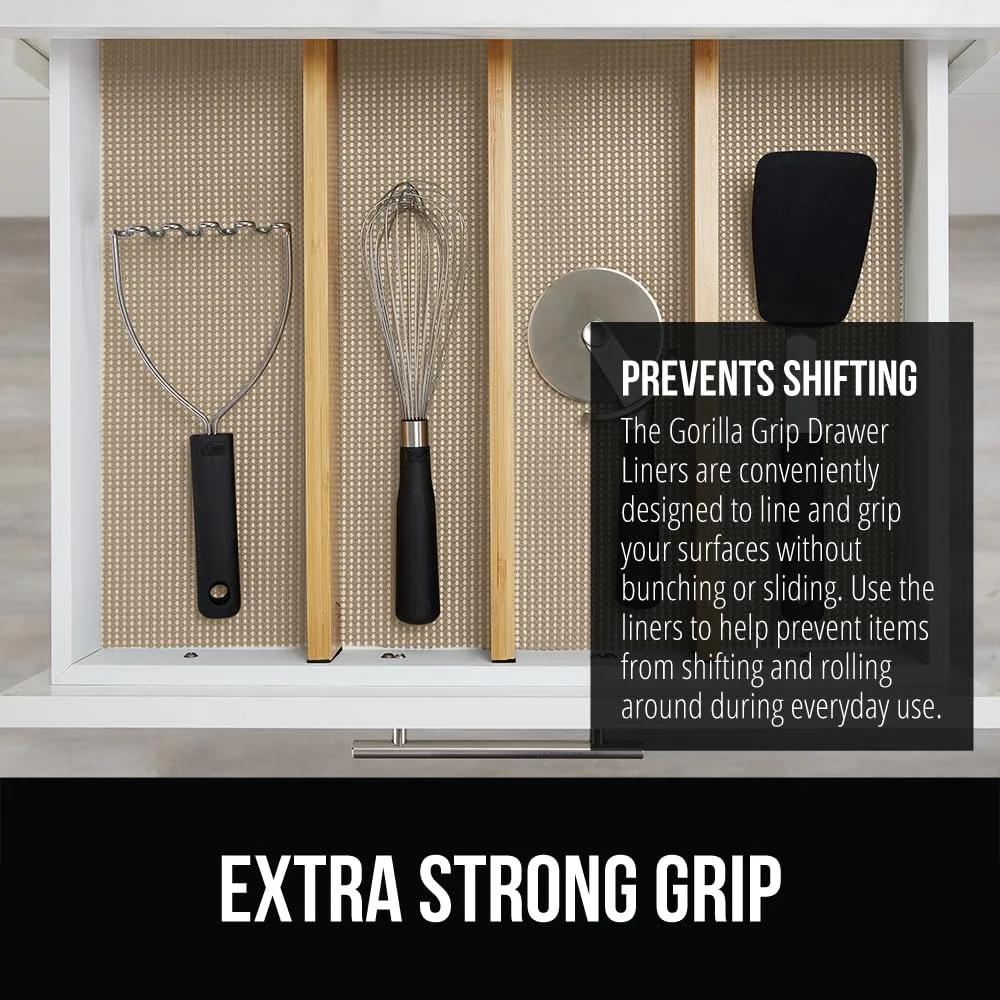
Image source: Bing (Web (fair-use with source credit))
Rubber Mats, Shelf Liner, and Silicone Pads
If the carrel sits on glass, laminate, or polished wood, put a rubber mat between the base and the table. A 1/16-inch to 1/4-inch rubber pad is plenty. Silicone pads work too, and they're dishwasher-safe for classrooms.
Skip the mat if the table is already carpeted or covered in textured felt. You'll just add wobble.
When to Use Hook-and-Loop Tape vs. Removable Putty vs. Double-Sided Foam Tape
If the carrel needs to come off monthly, use removable mounting putty or hook-and-loop tape. Both release cleanly within a 24 to 48 hour window on most surfaces.
If the carrel stays put for a year or more, double-sided foam tape is stronger but harder to remove. Save it for permanent installations and test it in a hidden spot first.
If the surface is textured wood or porous, skip adhesives entirely. Sandbags and mats are your friends here.
Why Friction Alone Won't Save a Top-Heavy Carrel
A rubber mat stops sliding. It doesn't stop tipping. Once the panel passes its tip-over angle, no amount of friction helps.
Friction and ballast are partners, not substitutes. Use both when the carrel is tall or the surface is slick.
Step-by-Step: Setting Up a Carrel That Won't Move
Here's the workflow, start to finish. Ten minutes and a kitchen scale will get most carrels dialed in. If you want the numbers behind the ballast, our rule of thumb is 10 to 20 percent of the carrel's own weight, more for tall panels.
Step 1: Measure Height and Base Width
Measure the carrel's total height and the width and depth of its base. Write the numbers down. You'll use them in Step 2.
A carrel with a base wider than its height rarely needs much ballast.
Step 2: Estimate How Much Weight You Actually Need
Use this quick rule:
- Carrel under 24 inches tall: 2 to 5 lbs ballast
- 24 to 36 inches tall: 5 to 10 lbs
- Over 36 inches tall: 10 to 20 lbs
- Add 50 percent more if the surface is glass or laminate
Step 3: Place Ballast Low and Wide, Not High and Neat
Weight goes at the very bottom and as far out to the edges as possible. If you've got two 5-pound plates, split them left and right. Don't stack them in one pile at the center.
Step 4: Add a Friction Layer Under the Base
Slide a rubber mat or silicone pad under the base before you set the carrel down. Trim it so it doesn't peek out past the carrel footprint.
Step 5: Stop Lateral Sway at the Top
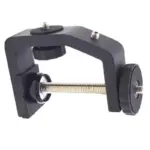
If the carrel still sways at the top, add a clamp, C-clip, or bungee to a nearby stable object. In shared spaces, a strap to a fixed table leg is usually allowed. Drilling into walls rarely is.
Step 6: Test With a Firm Nudge Before You Trust It
Give the top edge a firm, two-second push with your palm. If it wobbles more than a quarter inch, add ballast. Repeat until it doesn't.
Test before every new setup, especially in schools and testing rooms.
Mistakes That Make Carrels Wobble More, Not Less
The most common weighting mistakes all share one root cause: putting weight where it's convenient instead of where it's useful. If you've followed the earlier steps but the carrel still sways, one of these five errors is probably the culprit.
Stacking Weight Up High Because It's Out of the Way
Weight placed at the top of the panel does almost nothing. It actually raises the center of gravity and makes tipping worse. If your ballast sits above the base line, move it.
Nothing on a carrel should ever be weighted above the base footprint.
Relying on Velcro or Tape Alone on a Smooth Desk
Hook-and-loop tape on glass or laminate holds maybe 2 to 5 pounds of shear force before it slips. That's fine for keeping a carrel from sliding. It's useless against tipping.
Treat adhesive as a friction layer, not a weight substitute.
Making the Carrel So Heavy You Can't Move It
A 30-pound carrel loaded with 30 pounds of steel is a two-person lift. In schools and shared libraries, that's a maintenance problem. Aim for the minimum ballast that stops the wobble, not the maximum the base can hold.
Ignoring Surface Damage and Legroom
Weighted plates and sandbags can scratch laminate, dent softwood, and pinch feet. They also steal knee space if they sit where a user's legs go. Check both before you commit to a setup.
Skipping the Tip-Over Test
A carrel that "feels stable" isn't the same as one that passes a firm nudge. Test every new configuration. Two seconds of pushing beats a broken laptop and a liability claim.
Safety, Surface Protection, and Quick Reference
Tip-over guidance from the U.S. Consumer Product Safety Commission (CPSC) and stability standards like ASTM F2057 exist because furniture tip-over sends thousands of people to emergency rooms each year. Carrels and lightweight dividers fall into the same risk family.
Treat them that way.
Tip-Over Rules of Thumb
Use this quick checklist before you sign off on any carrel setup:
- Test lateral stability with a 5-pound nudge at the top edge
- Never weight above the base line
- Keep ballast under furniture weight limits
- Secure tall panels to a stable object when possible
- Re-test after any change to surface, ballast, or location
Protecting Desks, Library Furniture, and Rental Surfaces
Felt pads under steel plates prevent scratches. Rubber mats under sandbags stop grit from grinding into laminate. Removable putty leaves a 24 to 48 hour window before it cures harder and risks residue.
Test in a hidden spot first.
Quick Comparison: Ballast Options at a Glance
| Method | Setup Time | Removable | Best Surface |
|---|---|---|---|
| Sandbags | Under 1 min | Yes | Carpet, textured wood |
| Steel plates | Under 1 min | Yes | Glass, laminate |
| Water jugs | 2 to 3 min | Yes | Any flat surface |
| Hidden tray ballast | 5 to 15 min | No | Any, if base is hollow |
Weight Chart: How Much Ballast for How Tall a Carrel
Rough baselines for a carrel with a base narrower than its height:
- Under 24 in: 2 to 5 lbs
- 24 to 36 in: 5 to 10 lbs
- 36 to 48 in: 10 to 15 lbs
- Over 48 in: 15 to 20 lbs
- Add 50 percent if the surface is glass or laminate
Check back on these numbers any time you change surfaces or move the carrel to a higher-traffic area. As of 2026, no lightweight carrel on the market ships with built-in ballast as a standard feature, so this is still a user-side job.
Frequently Asked Questions
How much weight do I actually need to stop a carrel from tipping?
Use 10 to 20 percent of the carrel's own weight as a starting point. A 20-pound carrel needs 2 to 4 pounds minimum. Taller carrels over 36 inches need closer to 15 to 20 pounds.
Add 50 percent more on glass or laminate.
Can I use books or heavy binders instead of real ballast?
Yes, but poorly. Books slide, stack unevenly, and raise the center of gravity if placed high. A stack of hardcovers works in a pinch on carpet.
On a slick desk, they'll slide right along with the carrel.
Will weights scratch or dent my desk?
Steel plates can scratch laminate and dent softwood. Sandbags can grind grit into finishes. Fix this with a felt pad or rubber mat between the weight and the surface.
Test removable options in a hidden spot first.
What works best on glass or laminate without leaving residue?
Sandbags and rubber mats leave nothing behind. Removable mounting putty works within a 24 to 48 hour window. Double-sided foam tape is stronger but often leaves residue.
Skip adhesives entirely on textured or porous surfaces.
Is it safe to weight a carrel in a school or library testing room?
Yes, if you stay under furniture weight limits and re-test after every setup. Use removable ballast only. Never drill into desks or walls in shared or rented spaces.
Secure tall panels to a stable object when possible.
How do I hide the weights so they don't look bad?
Use internal ballast in hollow carrel bases. Flat steel plates slide under most panels and stay invisible. Weighted fabric along a hem adds mass without any visible hardware.
Match colors to the carrel or table for a cleaner look.

Similar Posts