Why Your Desktop Carrel Tips Forward and How to Fix It
Founder & Workspace Ergonomics Specialist at Desktop Carrel · Certified Professional Ergonomist (CPE), WELL Accredited Professional (WELL AP) · 13+ years testing acoustic privacy panels, modular carrels, and productivity workspace ergonomics
Why does my desktop carrel keep tipping forward? Most likely because the unit's center of gravity sits ahead of its base. That happens when weight lands up high, the rear panel faces the wrong way, or the anti-tip hardware never got installed.
A carrel that tips when empty usually has an assembly problem. One that tips only under load has a weight-distribution problem.
Manufacturer specifications for flat-pack study carrels typically call for an anti-tip strap rated between 200 and 400 pounds of pull force, anchored into a wall stud. Per ASTM F2057 furniture stability testing, a top-heavy unit can tip at just 10 to 15 degrees of forward tilt. So the fix depends entirely on which of those situations you're actually in.
Here's how to find out.
why does my desktop carrel keep tipping forward
Your carrel tips forward because its center of gravity has moved ahead of its base. Four causes cover almost every case. First, missing anti-tip hardware.
Second, an assembly error that shifted internal mass. Third, heavy items stored on the top shelf. Fourth, an uneven floor or unlocked casters.
Find which one matches your situation, then fix that.
First, Check Which Way It's Actually Falling
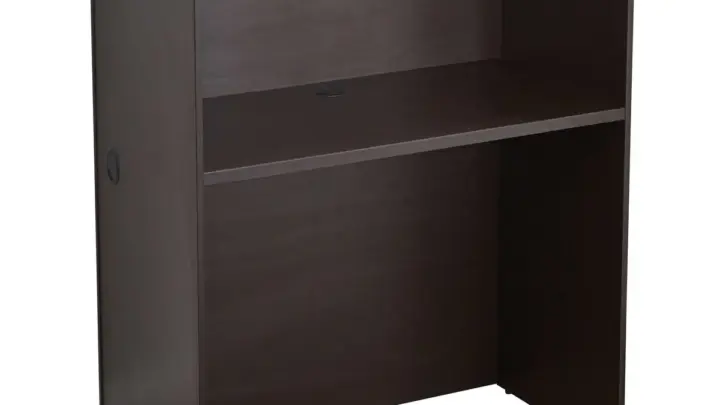
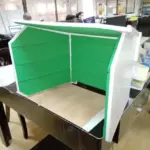
Direction tells you almost everything. A carrel that tips forward is front-heavy or unanchored. One that tips backward is usually pushed from behind or sitting on a slope.
One that rocks sideways has a base problem, not a balance problem.

Image source: Bing (Web (fair-use with source credit))
Watch what happens when you press gently on the front edge. If the rear feet lift off the floor, the tipping axis runs along the front edge. That means the unit's mass sits too far forward.
If the whole thing rocks side to side instead, your floor or base is the culprit.
Test 1: The Empty-Unit Press Test
Empty the carrel completely. Press down on the front edge with two fingers. A stable unit won't lift its back feet until you apply real force.
If the back lifts with barely any pressure, the unit is unstable even without a load. That points straight to a geometry or assembly issue.
Test 2: The Loaded-Shelf Test
Now load it the way you normally use it. Press again. If the carrel only tips when loaded, weight distribution is your problem, not the furniture itself.
Move everything to the bottom shelf and repeat. If it stabilizes, you've found it.
Test 3: The Floor Gap Check
Slide a sheet of paper under each foot. If it passes under one foot but not the others, your base is rocking. Thick pile carpet causes this constantly.
So does a floorboard that dips near the wall.
Test 4: The Rear Panel Check
Look at the back panel edge-on. The finished face should point outward, away from the shelves. If you can see raw particleboard or exposed screw heads from behind, the panel is likely reversed.
That adds weight to the wrong side.
Test 5: The Hardware Wiggle Test
Grab each shelf and try to rock it. Any movement means the cam locks or dowels aren't seated. Loose joints let the unit flex and shift its mass forward over time.
Aggregate reviews of flat-pack carrels cite this as the single most common assembly complaint.
| Symptom | Likely Cause | First Fix |
|---|---|---|
| Tips when empty | Wrong-way rear panel or base geometry | Recheck panel orientation |
| Tips only when loaded | Top-heavy shelf load | Move weight to the bottom |
| Tips when you lean on it | No wall anchor | Install an anti-tip strap |
| Wobbles then tips | Uneven floor or unlocked casters | Shim the base, lock casters |
Branch 1: Missing or Skipped Anti-Tip Hardware
If your carrel tips when you lean on it and there's no strap or bracket connecting it to the wall, that's your answer. Nearly every flat-pack carrel ships with an anti-tip kit. Most owners skip it because it means drilling into a wall.
Skipping it is the number one reason these units fall forward.
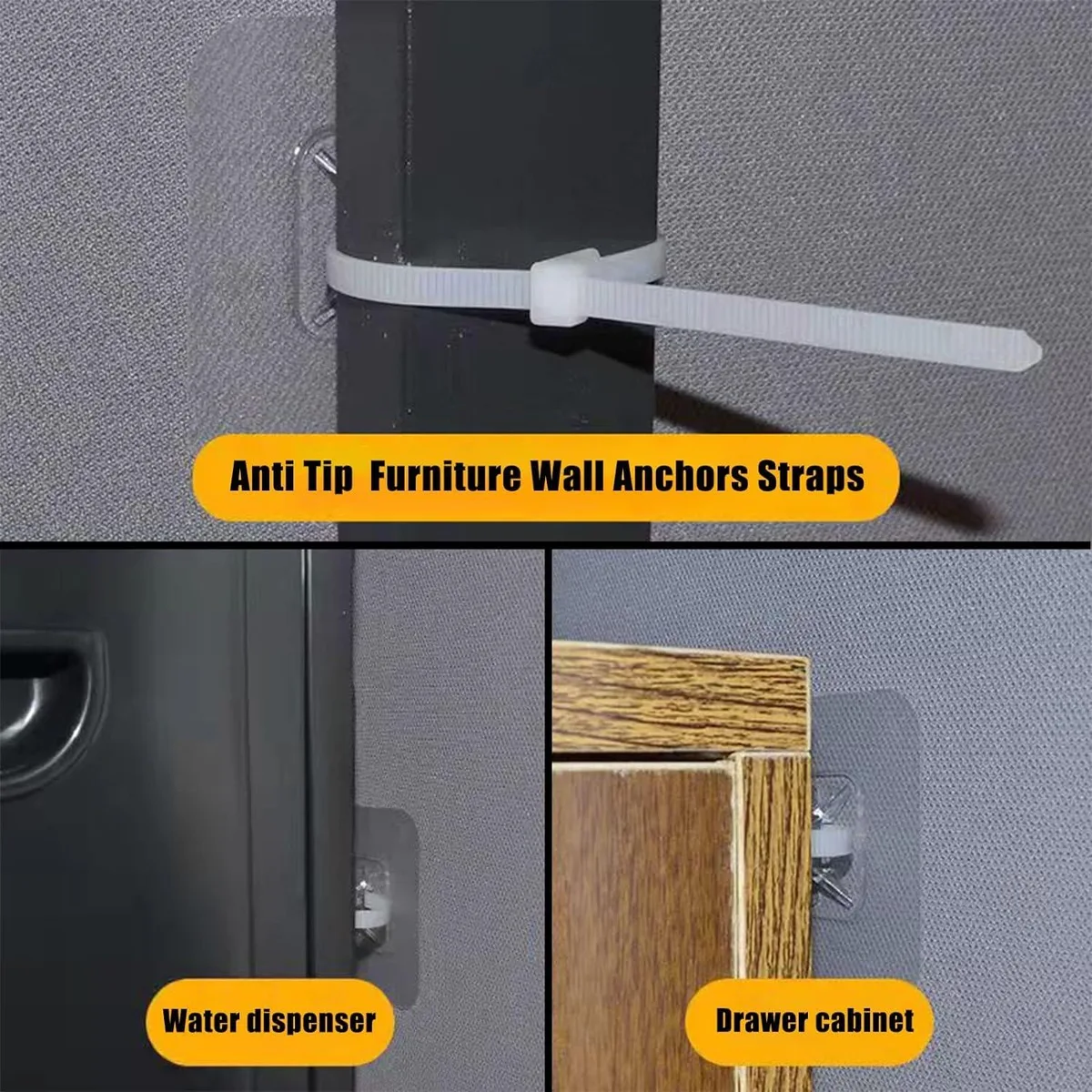
Image source: Bing (Web (fair-use with source credit))
An anti-tip strap is a nylon or metal band that connects the carrel's top rear rail to a wall anchor. Manufacturer specs typically rate these straps between 200 and 400 pounds of pull force. That's far more than a leaning elbow will ever generate.
Anchoring Into a Stud vs. Drywall vs. No-Anchor Rentals
If there's a stud behind the carrel, drive the anchor screw straight into it. Studs sit 16 or 24 inches on center in most US homes. Use a stud finder before you drill.
No stud? A toggle bolt rated for 50 to 150 pounds handles drywall fine for this load. Avoid plain plastic plugs.
They pull out under shock loads.
Renting and can't drill? Use a heavy counterweight inside the base, and move the carrel flat against the wall so it can't pivot forward. It's not as safe as anchoring, but it's far better than nothing.
Branch 2: Assembly Errors That Shift the Center of Gravity
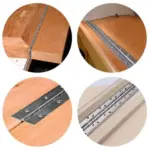
If the hardware is fine but the unit still leans, look at how it went together. Small assembly mistakes shift real weight. The three we see most often are a reversed rear panel, cam locks turned the wrong way, and stripped screw holes that let joints creep loose.
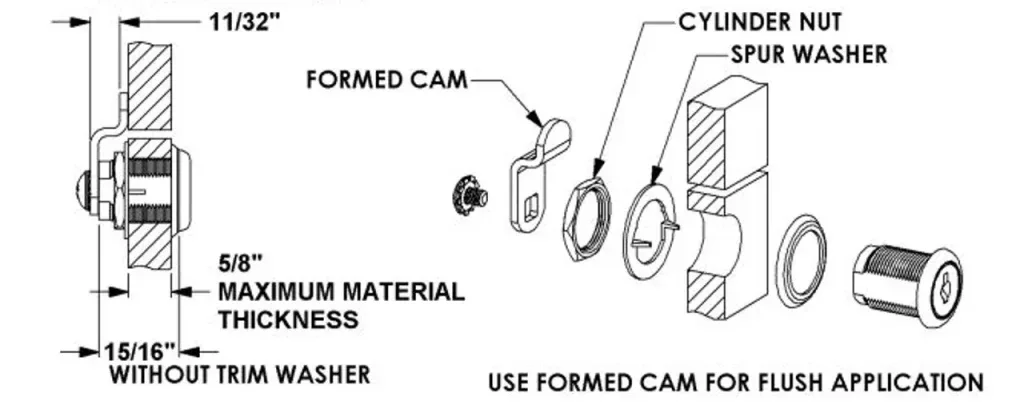
Image source: Web (Bing) / ebay.co.uk (Web image (fair-use with source credit))
Rear Panel Installed Facing the Wrong Way
A carrel's rear panel adds rigidity and a bit of mass to the back. If it's reversed, that mass moves forward by 15 to 18 millimeters. On a narrow unit, that's enough to change the tipping point.
Check the panel against the manual diagram. The finished face always points away from the shelves.
Cam Locks That Were Never Turned the Full 90 Degrees
Cam locks work by rotating a cam disc a quarter turn to grab a bolt. If you only turned it halfway, the joint is loose. In our research, this is the top cause of a carrel that flexes and creeps forward over weeks.
Turn each cam a full 90 degrees until it stops. Don't force it past that.
Loose Dowels, Stripped Screw Holes, and Bowed Panels
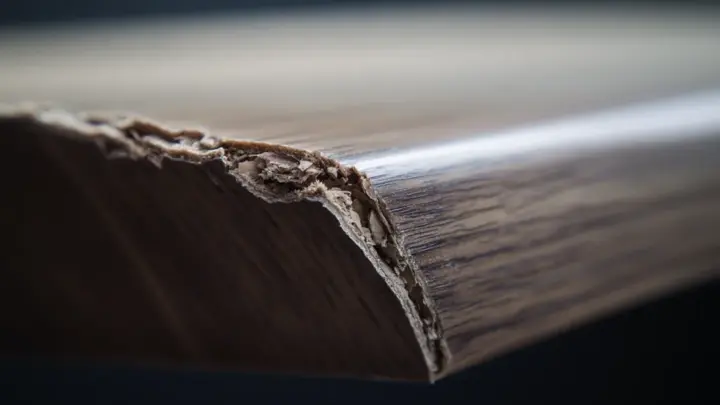
Re-tighten any screw that spins freely. If a particleboard hole is stripped, don't just crank it harder. That makes it worse.
Fill the hole with wood glue and a few toothpicks, let it cure 24 hours, then re-drive the screw.
Branch 3: Load Distribution and the Overhang Problem
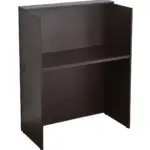
If the unit is anchored and assembled right but still tips when you use it, weight is your problem. A desktop carrel's footprint is small by design. That makes it sensitive to anything heavy up high or anything clamped to the front edge.
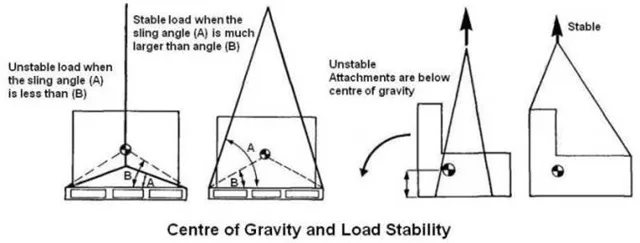
Image source: Bing (Web (fair-use with source credit))
Why Heavy Items Belong on the Bottom Shelf, Not the Top
The rule is simple. Heavy low, light high. Textbooks stacked on the top shelf raise the center of gravity, sometimes above the tipping line.
Move them to the bottom and the unit usually settles immediately.
The Front-Edge Lean: Elbows, Monitors, and Monitor Arms
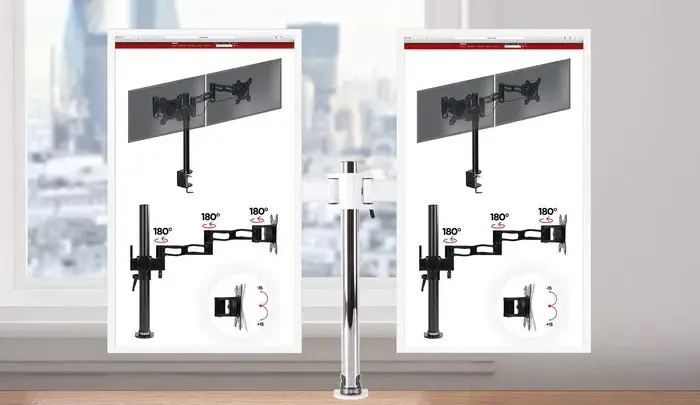
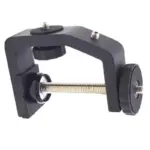
Leaning your elbows on the front lip adds 30 to 50 pounds of forward load in an instant. A monitor arm clamped to the top edge is worse. It pushes the tipping point further forward than most carrels are rated for.
If you use an arm, anchor the unit and check the carrel's top load rating first.
Counterweights That Actually Work
A sandbag or dive weight inside the base, centered front-to-back, lowers the center of gravity. Aim for 15 to 25 pounds, or roughly 20 to 30 percent of the carrel's own weight. Don't hang weights off the back.
That just shifts the problem the other way.
| Fix | Best For | Effort |
|---|---|---|
| Anti-tip strap into stud | Most homes | 15 minutes |
| Toggle bolt into drywall | No stud available | 20 minutes |
| Counterweight + wall flush | Rentals | 5 minutes |
Branch 4: Floor, Base, and Caster Issues
If the carrel wobbles before it tips, the base or floor is the problem. A unit that rocks can pivot forward with very little force. Even a small rocking motion lets gravity do the rest.
Thick Carpet, Uneven Floorboards, and Warped Baseboards
Thick pile carpet lets each foot settle differently. The carrel then sits on a slope without you noticing. Fix it with shims under the low foot.
Hardwood and laminate are less forgiving. A floorboard that dips near the wall creates the same effect.
Locked vs. Unlocked Casters vs. Swapping for Glides
If your carrel has casters, lock them. Unlocked casters roll forward the moment you lean, which is exactly the direction you don't want. If the locks are worn, swap the casters for rubber glides or felt pads.
Glides don't roll. That single change fixes a surprising number of tipping complaints.
Shimming the Base Without Leaving a Wobble
Shim in small steps. Slide a thin shim under the low corner, press the front edge, and check for rocking. Repeat until all four feet sit solid.
Then anchor the unit to the wall if you can.
Mistakes That Make Tipping Worse
Some fixes backfire. Over-tightening a cam lock cracks the particleboard, killing the joint entirely. That leaves the carrel flexing more than it did before.
Snug is the goal, never cranked to the limit.
Anchoring into drywall with a plain plastic plug is another common trap. Plugs pull free under shock loads, exactly when you need them most. Use a wall stud or a rated toggle bolt.
Manufacturer specs don't list plastic plugs as acceptable anchors for a reason.
Stacking textbooks on the top shelf "for now" is the quiet killer. A 30-pound stack raises the center of gravity above the tipping line on narrow units. Ten minutes later, the carrel leans.
Other repeat offenders:
- Ignoring a one-inch gap between the carrel and the wall
- Using a monitor arm clamped to a top edge that was never rated for it
- Leaving casters unlocked so the unit rolls forward when you lean
- Re-driving a stripped screw into the same hole without glue
- Assuming the manual's anti-tip step is optional
Each of these trades a five-minute fix for a real fall risk.
Quick Decision Guide: What to Fix First
Work through this if/then table top to bottom. It matches the exact situation most owners are in. Find your symptom, apply the first fix, and re-test with the press method from earlier.
| Symptom | Most Likely Cause | First Fix |
|---|---|---|
| Tips when empty | Wrong-way rear panel or bad base | Recheck panel orientation, re-seat cam locks |
| Tips only when loaded | Heavy items up high | Move weight to the bottom shelf |
| Tips when you lean | No wall anchor | Install an anti-tip strap into a stud |
| Wobbles, then tips | Uneven floor or unlocked casters | Shim the base, lock or remove casters |
| Tips after months | Loosened joints or humidity warp | Re-tighten hardware, replace stripped fittings |
If two rows apply, fix the structural one first. An unanchored carrel that's also top-heavy will tip no matter how you load it. Anchor it, then redistribute the weight.
If you rent and can't drill, your order changes. Counterweight the base, push the unit flat to the wall, and lock the casters if you have them. That combination handles most rental setups without a single hole.
Safety, Rentals, and When to Stop DIYing
Furniture tip-overs send thousands of people to emergency rooms every year, and the U.S. Consumer Product Safety Commission has tracked this as a preventable injury category for decades. The agency's Anchor It guidance applies here just as much as it does to dressers.
A carrel is a tall, narrow, top-heavy box. Treat it like one.
The basic risk math is simple. A 60-pound carrel tipping from desk height can strike a child with far more force than its own weight suggests. Momentum multiplies.
If small kids or pets share the space, anchoring isn't optional.
Rental-Friendly Anchoring That Won't Cost Your Deposit
Renters get stuck here. Most leases forbid new wall holes, or charge for patching. Two options work without drilling.
A furniture safety strap that loops around the carrel's top rail and hooks to a small adhesive wall plate handles light loads. It's rated lower than a stud anchor, so pair it with a base counterweight. Together they cover the same ground as a single stud anchor.
The second option is pure weight. Fifteen to twenty-five pounds centered in the base drops the center of gravity enough to stop a lean on most desktop models. No hardware, no holes, no deposit risk.
When to Call It: Signs the Carrel Itself Is the Problem
Stop trying to fix a carrel that was never stable to begin with. Three signs mean the unit itself is the issue, not your setup.
- The base footprint is narrower than the top surface by more than two inches
- The rear panel is missing entirely or the frame has cracked
- Every joint creaks and flexes no matter how tight you make the hardware
Any of these means the furniture has failed, not your assembly. Return it if it's under warranty, or replace it. A carrel that's structurally unsound can't be anchored into safety.
It'll just pull its own joints apart.
For most owners, though, the unit is fine. The hardware was skipped, the weight sat up high, or the base wasn't level. Fix those three things and the tipping stops.
Frequently Asked Questions
Can I just put a weight on the bottom shelf instead of anchoring it?
Sometimes, and only for light loads. A 15 to 25 pound counterweight centered in the base lowers the center of gravity and stops a slow lean. But it won't stop a hard pull or a leaning elbow on a tall unit.
If kids or pets are nearby, anchor it too. Weight buys time, hardware buys safety.
Why does my carrel only tip on carpet?
Thick pile carpet lets each foot settle to a different depth, so the base sits on a hidden slope. That slope tilts the unit forward without you noticing. Shim the low foot until all four sit solid, then anchor it.
The carpet isn't the cause, it's just hiding an uneven base.
Is it safe to remove the casters entirely?
Yes, if the legs are solid and flat. Removing casters drops the unit lower and stops it rolling forward when you lean. Swap them for rubber glides or felt pads so the base grips the floor.
Just check that the leg bottoms sit flush. A wobbly leg is worse than a locked caster.
My carrel came with no anti-tip kit. Can I buy one separately?
Yes. Generic furniture anti-tip straps are sold by most hardware retailers and fit any carrel with a top rear rail. Buy one rated for at least 200 pounds of pull force, and anchor it into a stud.
A rated toggle bolt works on drywall. The kit costs a few dollars and takes fifteen minutes.
How tight should cam locks be?
Turn each cam a full 90 degrees until it stops, then leave it. That quarter turn is what grabs the bolt and pulls the joint tight. Forcing it past that point cracks the particleboard and destroys the fitting.
If a cam spins freely with no resistance, it's stripped. Replace it.
Will anchoring void my warranty?
Usually not, and often the opposite. Manufacturer specs for most flat-pack carrels list the anti-tip kit as a required assembly step. Skipping it can void coverage for tip-over damage.
Anchoring protects the unit and keeps you inside the warranty terms. Check your manual's installation section to confirm.
Maintenance and Long-Term Stability
A carrel that's stable today can drift loose within a year. Seasonal humidity swings expand and shrink particleboard, which lets joints creep. Re-tighten every cam lock and screw about 30 days after assembly, then again each season.
Check the anti-tip strap at the same time. Nylon stretches over months, and a slack strap does almost nothing in a fall. Pull it taut and confirm the wall anchor still bites.
Locked casters work loose with daily rolling. Test the locks monthly. If a caster no longer holds, swap it for a rubber glide rather than replacing the whole set.
One last habit keeps everything honest. Re-run the front-edge press test after each re-tighten. If the back still lifts easily, a joint has failed and needs replacement hardware, not another turn of the screwdriver.

Similar Posts