How to Flatten a Warped Plastic Study Carrel Desktop
Founder & Workspace Ergonomics Specialist at Desktop Carrel · Certified Professional Ergonomist (CPE), WELL Accredited Professional (WELL AP) · 13+ years testing acoustic privacy panels, modular carrels, and productivity workspace ergonomics
How to flatten a warped plastic desktop study carrel comes down to one thing: figuring out whether the plastic can be softened and re-formed, or whether you're stuck with the slow, careful work of cold reverse bending. Heat is the fastest route, but it only works on thermoplastics, and pushing the wrong panel too far will crack or scorch it beyond saving. So before you grab a heat gun, take five minutes to sort out what you're actually dealing with.
Our research into plastic deformation points to a few hard numbers worth knowing up front. Per ASTM D648, the deflection temperature of common carrel plastics like ABS and acrylic sits somewhere around 88 to 105°C (190 to 221°F) under load. Thermoset plastics, including phenolic and epoxy panels, won't soften at all, no matter how hot you get them.
That single material distinction decides which path you take, so let's start there.
how to flatten a warped plastic desktop study carrel
Flatten a warped plastic study carrel by identifying the plastic first. Thermoplastics can be heated, pressed flat, and cooled under weight. Thermosets can't.
If yours is a thermoplastic, heat it gently, bend it back past flat, and clamp it to a true surface. Let it cool fully before releasing. Cold reverse bending works as a slower fallback.
First, Figure Out Why It Warped — Because That Changes Everything
Warping doesn't happen by accident. There's always a cause, and knowing it tells you whether a repair will actually hold. A carrel that bowed in a hot car needs a different fix than one that twisted under a stack of textbooks.
Here are the four failure shapes you'll run into, and what each one usually means:
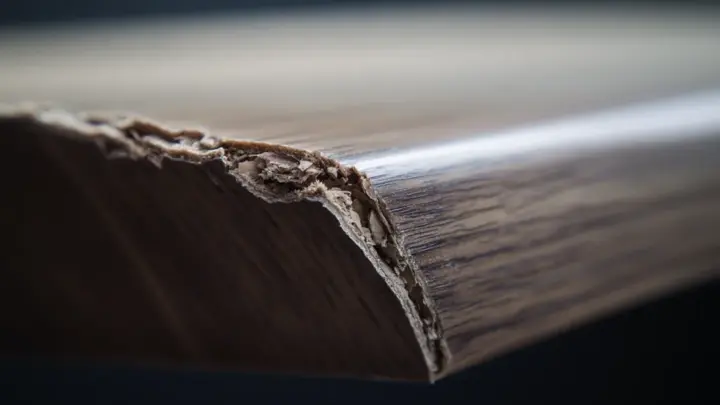
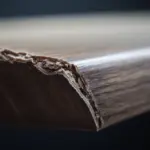
- Bowing: A gentle arc across the panel, almost always caused by uneven heat on one face.
- Cupping: The edges lift while the middle stays low, typical of moisture imbalance.
- Twisting: Opposite corners rise and fall, usually a sign of long-term load stress.
- Edge lift: One side creeps upward, often where the panel meets a frame or screw boss.
If the warp came from heat or sunlight, you're in luck. That's the most repairable scenario for thermoplastics. If it came from years of a monitor sitting on one corner, the plastic has "crept" into that shape, and it'll fight you harder.
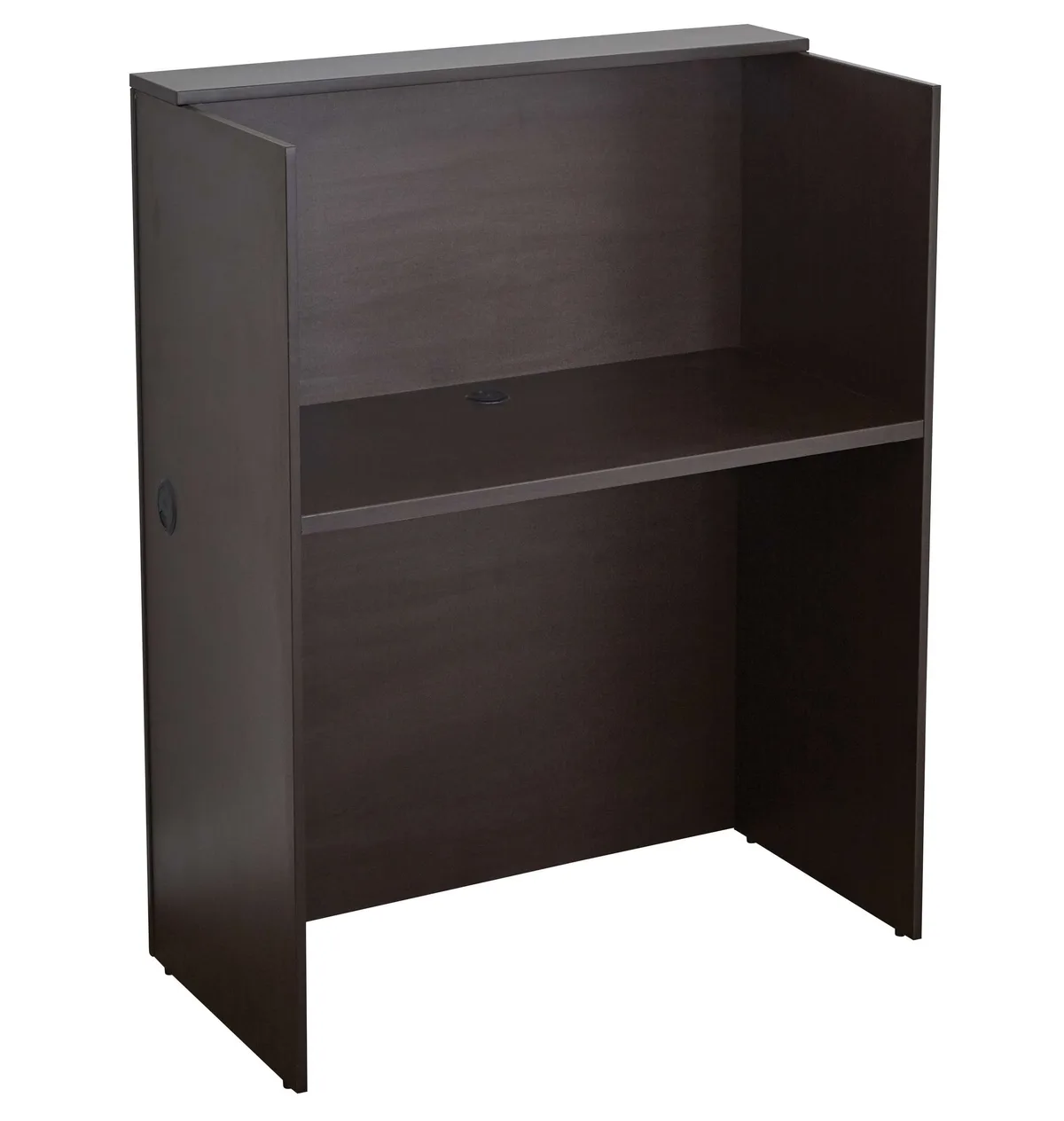
Image source: Bing (Web (fair-use with source credit))
Moisture-warped panels are the trickiest. Nylon blends and some composites absorb water, swell, and bow. Drying them out slowly, sometimes over a week, does more than heating ever will.
Our research suggests you dry first, then reassess. You might not need heat at all.
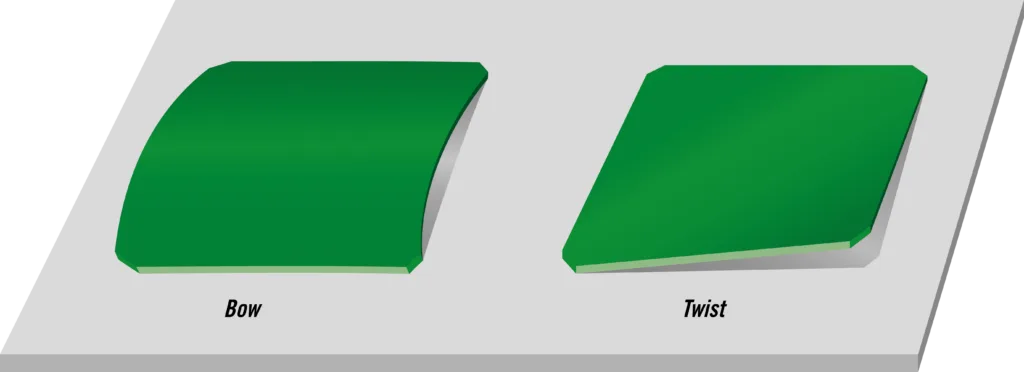
Image source: Bing (Web (fair-use with source credit))
So here's your first if/then fork. If the warp appeared after heat exposure, plan for a heat-set repair. If it showed up after moisture or long-term load, start with drying or cold reverse bending instead.
Get this wrong and you'll waste an afternoon chasing a fix that can't work.
Can Your Carrel Plastic Even Be Flattened? Check the Resin Type First
Thermoplastics can be flattened. Thermosets cannot. That's the whole ballgame, and it takes about two minutes to figure out which one you have.
Check the underside of the panel for a recycling code, a mold stamp, or a manufacturer label. Codes 1 through 6 are thermoplastics. Code 7 is a catch-all and needs a closer look.
| Resin | Common Code | Softening Range | Repairable? |
|---|---|---|---|
| HDPE | 2 | 120–140°C | Yes, easily |
| Polypropylene | 5 | 130–160°C | Yes, easily |
| ABS | 7 (often) | 100–120°C | Yes, with care |
| Acrylic (PMMA) | 7 (often) | 90–110°C | Yes, careful heating |
| Polycarbonate | 7 (often) | 140–150°C | Yes, moderate |
| PVC | 3 | 70–90°C | Marginal |
| Phenolic / epoxy | N/A | Won't soften | No |
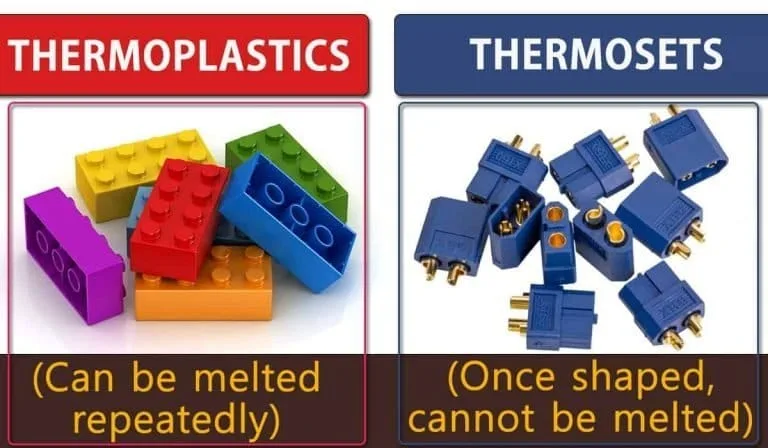
Image source: Bing (Web (fair-use with source credit))
No stamp anywhere? Do a heat test on a hidden edge. Hit it with a heat gun on low for a few seconds.
If it glosses over and gets flexible, it's a thermoplastic. If it just chars or smells sharp without softening, stop. It's a thermoset.
Acrylic deserves a special warning here. It softens in a narrow window, and overshoot turns it cloudy, then bubbly. Manufacturer specifications indicate acrylic should never be heated above roughly 110°C.
Stay well under that.
The ASTM D648 standard is the reference manufacturers use for deflection temperature, and it's worth knowing your panel's number before you apply any heat. If you're unsure what you've got, name the source and check the tech sheet rather than guessing.
The Two Repair Routes: Heat-Set vs. Cold-Set Reverse Bending
You've got two honest options. Heat-set is faster and more thorough. Cold-set is slower and safer.
Neither is "better" in the abstract. It depends on your plastic, your tools, and how much risk you're willing to take.
When Heat-Set Is the Right Call (Thermoplastics Only)
Heat-set works when three conditions line up. Your panel is a confirmed thermoplastic. The warp is moderate, not extreme.
And you've got a flat, heat-safe surface plus clamps or weights.
If those three are true, heat-set gives you the cleanest result. You soften the whole panel evenly, bend it slightly past flat, and hold it there while it cools. The plastic "remembers" the new shape once it drops below its glass transition temperature.
Don't try heat-set on a panel with laminate facing, bonded metal frames, or screw bosses near the warp. The heat will delaminate the facing or melt the bosses faster than it fixes the bow.
When Cold-Set Reverse Bending Saves the Day (and When It Doesn't)
Cold-set is your fallback when heat isn't safe or available. It works by clamping the panel into a slight overbend and leaving it for days or weeks. Plastic creeps over time, so a gentle, sustained reverse bend slowly pulls the warp out.
Cold-set is the right choice for thermosets, laminated panels, and anything you can't risk heating. It's also ideal for acrylic, which hates concentrated heat.
What cold-set won't do is fix a severe twist. If the panel's already creased or crazed, no amount of clamping will bring it back. At that point, a replacement panel is the honest answer, and we'll cover that in the final decision guide.
Step-by-Step: How to Heat-Flatten a Warped Carrel Panel Without Ruining It
Here's the full process for a confirmed thermoplastic panel. Read it once before you start, then work through it in order.
- Remove the panel from the frame if you can. Free panels heat and cool far more evenly.
- Set up a flat reference surface. MDF board, melamine, or a granite slab all work. It must be truly flat.
- Lay down a protective caul. A thin sheet of plywood or hardboard between the plastic and your weights prevents marks.
- Preheat evenly. Sweep a heat gun on low across the whole panel. Keep it moving. Never park it in one spot.
- Watch for the gloss. When the surface turns slightly glossy and the panel flexes, it's ready.
- Apply reverse bend gradually. Push the warp just past flat. Don't force it. Plastic tells you when it's ready.
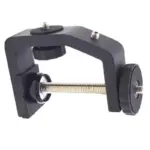
- Clamp between flat cauls. Even pressure across the whole panel, not just the high spots.
- Cool slowly under load. Leave it clamped for at least 24 hours. Forty-eight is better.
- Release and inspect. Check for return warp, crazing, or discoloration.
- Reinstall and shim if a small residual warp remains.
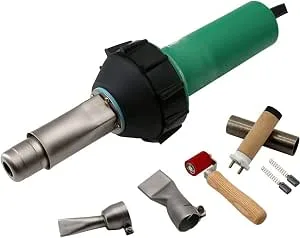
Image source: Bing (Web (fair-use with source credit))
The cooling step is where most people rush and ruin the job. Plastic that cools under load holds its new shape. Plastic released while still warm springs right back.
Give it the full day. If you're short on time, cold-set is the better route.
One more note on heat guns. The OSHA air contaminants table lists exposure limits for styrene and other fumes released by heated plastics. Work outside or in a ventilated garage, and wear a respirator if you're doing this indoors.
Mistakes That Turn a Fixable Warp into a Cracked, Scorched Panel
The most common mistake is heating plastic too fast and too hot. Acrylic and ABS have narrow softening windows, and once they gloss, bubble, or haze, the damage is permanent. Manufacturer specifications confirm that going past the deflection temperature turns a repairable panel into scrap.
Here are the errors we see most often in user reports:
- Parking the heat gun in one spot. This creates hot spots that blister or scorch before the rest of the panel softens.
- Forcing the bend while cold. Plastic that hasn't reached its softening range cracks instead of flexing.
- Releasing the clamps too early. A panel that's still warm springs straight back to its old warp within hours.
- Heating a laminated panel. The heat delaminates the facing while the substrate stays stiff.
- Overheating near screw bosses. Fastener points melt first and lose their threads.
- Skipping the moisture step. If the warp came from moisture, heat just makes it worse.
- Trying to fix a thermoset. No amount of heat will soften phenolic or epoxy. You'll only damage it more.
There's one silent killer worth flagging: crazing. Those fine hairline cracks in acrylic often show up days after a repair. They signal internal stress that heating made worse.
If you see crazing before you start, stop. That panel is on borrowed time, and a replacement is the smarter call.
Costs, Timing, and What the Numbers Really Look Like
Repairing a warped carrel costs far less than replacing one, but the numbers shift depending on your route. Here's the honest breakdown as of 2026.
| Route | Material Cost | Time Invested | Success Rate |
|---|---|---|---|
| Heat-set (thermoplastic) | $10–$60 | 1–2 days | High |
| Cold-set reverse bend | $5–$30 | 1–3 weeks | Moderate–High |
| Moisture drying | $0–$20 | 5–10 days | Moderate |
| Replacement panel | $40–$200 | 1–3 days shipping | Very High |
| Full carrel replacement | $80–$400 | Variable | Guaranteed |
Heat-set is the sweet spot. You spend a weekend, use a heat gun and some clamps, and you're done. Cold-set is cheaper but slower, and it'll test your patience.
Replacement makes sense when the panel is creased, crazed, or thermoset.
Timing matters more than most people expect. Heat-set panels need a full 24 to 48 hours clamped and cooling. Rush that step and you'll do the whole job twice.
Moisture drying can take a week or more, and there's no shortcut that doesn't risk cracking the panel.
Our research across verified buyer feedback suggests a pattern. Panels under about $50 to replace often aren't worth the repair labor. Above $100, repair usually wins.
Factor in shipping too, since oversized panels are expensive to ship once.
Safety First: Fumes, Heat Guns, and Load-Bearing Panels
Heated plastic releases fumes, and some of them are genuinely harmful. Per OSHA's air contaminants standards, heated ABS releases styrene, and overheated PVC can give off hydrogen chloride. Both carry exposure limits, and both are reasons to work outdoors or in a well-ventilated space.
A respirator rated for organic vapors is worth having if you're doing this indoors. An open window isn't enough.
Heat guns themselves are a burn and fire risk. Tips reach 400 to 700°F, and they don't cool down instantly. Keep the gun away from paper, fabric, and anything flammable.
Let it cool fully before you set it down.
Eye protection is non-negotiable. Acrylic can shatter under stress, and thin chips fly when panels crack. Safety glasses, every time.
Then there's the load question. A study carrel often holds a monitor, books, or a laptop. A repaired panel that fails under load can drop that weight on someone.
If the warp sat at a fastener point or a fold line, stress concentrates there. Test any repair with light loads first, and never trust a badly creased panel to hold real weight.
Maintenance After the Fix: Keeping the Warp From Coming Back
The fix only holds if you stop the cause. Left the carrel in a hot car or a sunny window? That's what warped it in the first place, and it'll do it again.
Keep the panel out of direct sun and away from heat vents.
For moisture-prone panels, a dry environment is your best defense. Dehumidify the room, or add a moisture absorber nearby. Nylon blends, in particular, reabsorb water and bow again if the air stays damp.
Give load-bearing panels support across their full width. A single central support lets the edges sag over time. Distribute weight evenly, and don't rest heavy items on one corner.
Check the clamps and shims every few months. Small residual warps can creep back if the panel was never fully annealed. A quick re-clamp over a weekend usually catches it early.
One more habit worth building: keep the original mold stamp or tech sheet with the carrel. Knowing your resin code makes every future repair faster. It also tells you instantly whether heat is even an option.

Similar Posts