Stop Desk Privacy Panel From Sliding: Easy Fixes
Founder & Workspace Ergonomics Specialist at Desktop Carrel · Certified Professional Ergonomist (CPE), WELL Accredited Professional (WELL AP) · 13+ years testing acoustic privacy panels, modular carrels, and productivity workspace ergonomics
Your privacy panel clamp keeps sliding because the friction between the clamp jaw and the panel edge has dropped below the force pushing the panel sideways. Every fix on this page targets one of three things: worn grip surfaces, loose fasteners, or the wrong clamp for your panel thickness. Most office workers solve it in under ten minutes with a rubber shim and a quarter-turn on the tension screw.
how to stop clamp on desk privacy panel from sliding
Tighten the tension screw a quarter-turn past finger-tight. Add a rubber or silicone shim inside the clamp jaw. Clean the panel edge and desk rail of dust and oil.
If it still slides, install a set screw or apply blue thread-locker to the fastener. Replace the clamp if the jaw is cracked.
Identify Your Clamp Type Before You Touch a Screwdriver
The fix depends entirely on which clamp you're looking at. Four designs dominate desk privacy panel hardware sold as of 2026, and each one slides for a different reason. Look at the clamp with the panel still mounted, then match it to the descriptions below.
Friction-Fit and Spring Clips
Friction-fit clamps grip the panel edge with ribbed plastic jaws. No screw holds them in place. They slide when dust builds up on the jaw or the plastic ribs wear smooth.
Spring clips use a similar principle but add a steel spring that loses tension over time. If your clamp pops off with light finger pressure, it's one of these.
Screw-On and Tension Clamps
These have a thumbscrew or hex bolt running through the jaw. The screw squeezes the jaw against the panel edge. They slide when the screw backs out from desk vibration or when the threads strip.
Per manufacturer specifications, most M4 and M5 clamp screws need only 1 to 2 Nm of torque. Over-tightening strips threads fast.
Adhesive-Backed and Rail-Mounted Clamps
Adhesive clamps stick to the desk surface or the back of the panel. They slide when the adhesive pad loses tack from heat, humidity, or dust. Rail-mounted clamps slide sideways along an aluminum extrusion rail, usually a cable tray.
That's a different problem: the clamp isn't loose, it's just free to drift.
What the Clamp, Panel Edge, and Rail Actually Look Like
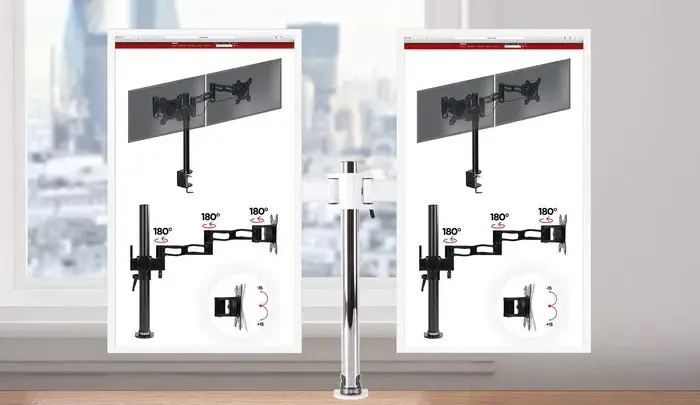
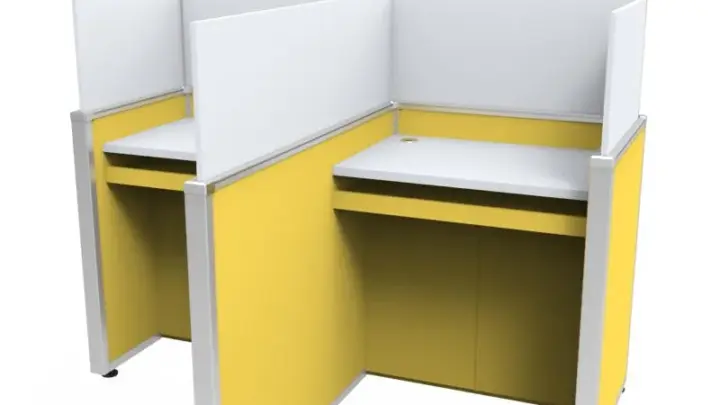
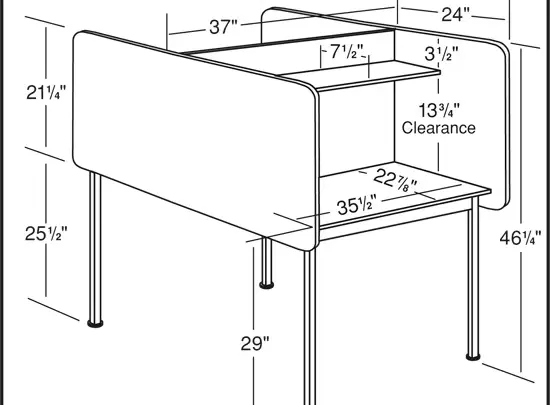
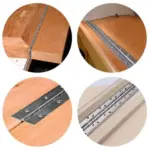
A diagram showing all four clamp types side by side makes identification instant. Key visual cues: a visible screw head means tension clamp, a spring tab means spring clip, a sticky pad means adhesive mount, and a sliding channel means rail mount. Compare the panel edge too.
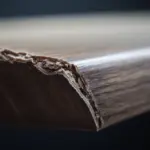
Fabric-wrapped and PET felt edges compress under load, while laminate and acrylic edges stay rigid and transfer more slide force to the clamp.
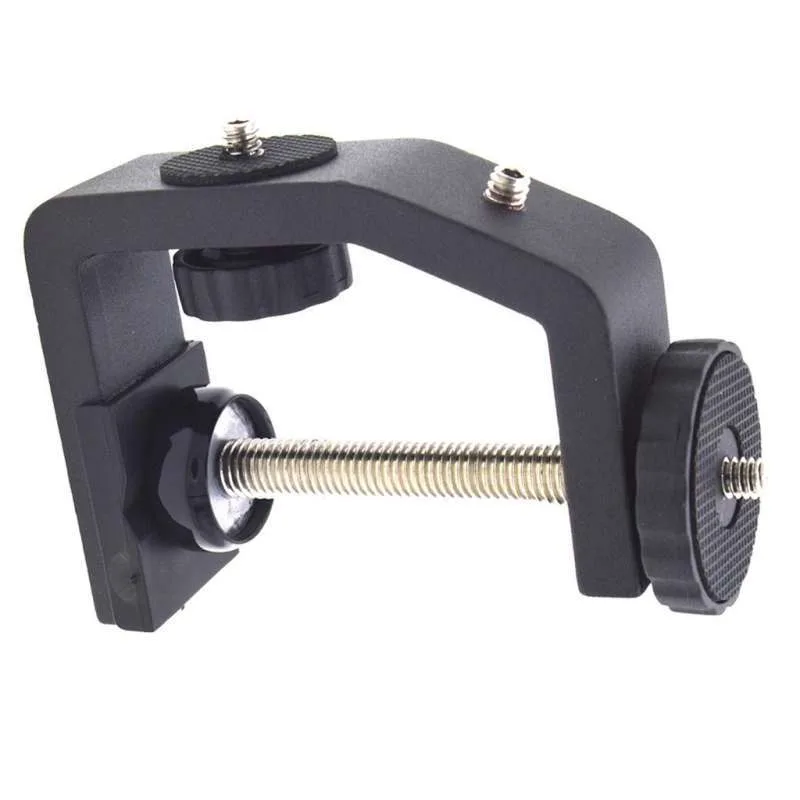
Image source: Bing (Web (fair-use with source credit))
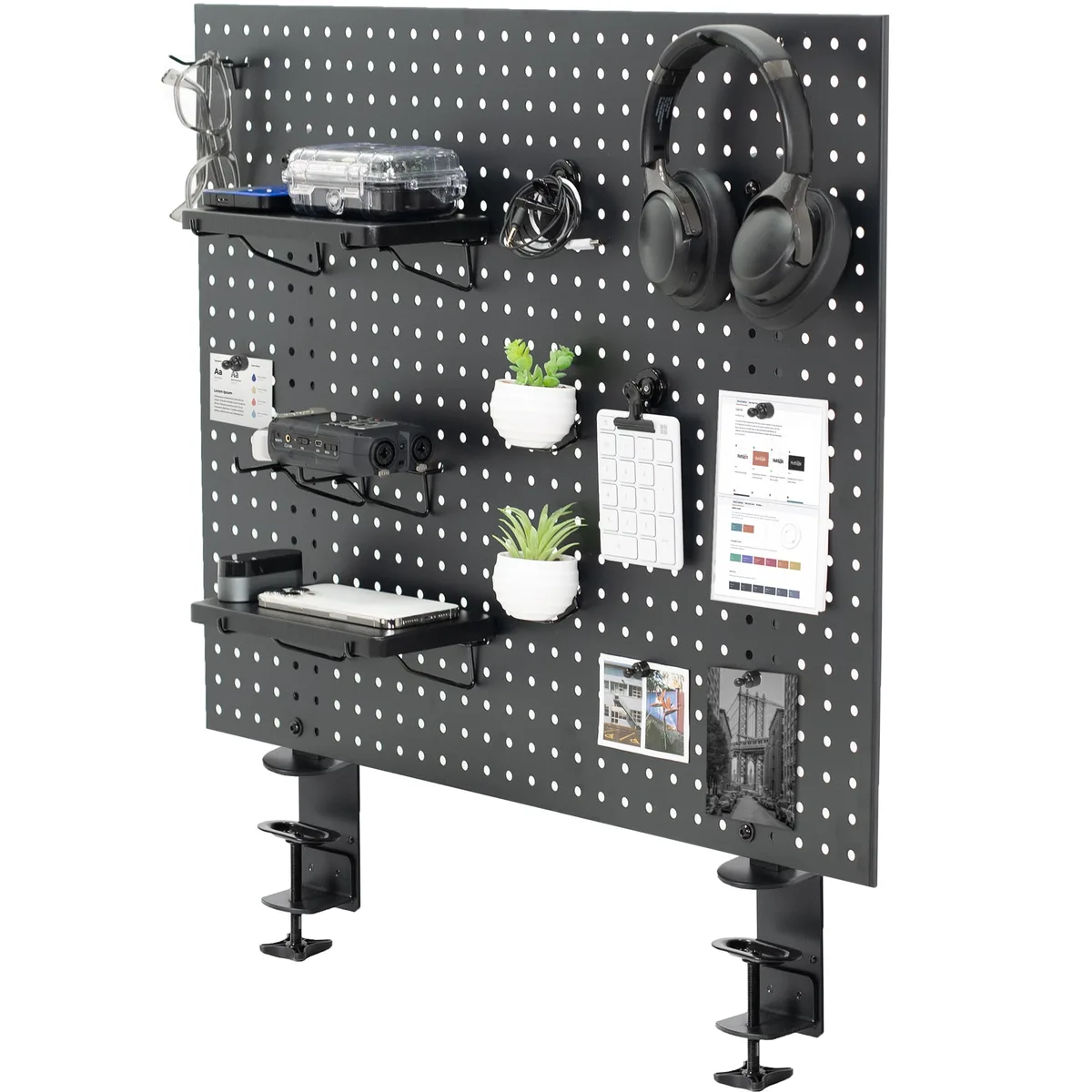
Image source: Bing (Web (fair-use with source credit))
The Five Reasons Clamps Slide (Match Yours to the Fix)
If the clamp is a friction or spring type, check the grip pad first. If it's a screw-on clamp, check the thread. If it's adhesive or rail-mounted, check tack and rail friction.
That if/then logic saves you from replacing hardware you don't need to touch.
Worn or Glazed Rubber Grip Pads
Rubber grip pads lose their bite within 12 to 24 months of daily use. The surface glazes over, which drops its coefficient of friction. ASTM D1894 is the standard test used to measure that property.
Once the pad feels slick or shiny, no amount of tightening will hold the panel.
Stripped Screw Threads and Backed-Out Fasteners
Vibration from keyboards, drawers, and nearby foot traffic slowly rotates tension screws counterclockwise. A screw that feels loose every week is backing out, not stripping. A screw that spins freely without tightening is stripped.
Those are two different repairs.
Panel Too Thin or Too Smooth for the Jaw
Most clamps are built for panel thickness between 15 mm and 25 mm. A 10 mm acrylic divider sits too deep in the jaw and never gets full contact. Smooth surfaces like glass and polished laminate offer almost no mechanical grip, no matter how hard you tighten.
Vibration Drift Along the Desk Rail
Rail-mounted clamps don't need to loosen to slide. They just need a flat, low-friction rail and a light sideways nudge. This is the single most common complaint on bench desks with cable-tray rails.
Over-Tightening That Crushed the Grip Surface
Cranking the screw past the rated torque compresses the rubber grip until it flattens permanently. It also cracks fabric-wrapped and MDF-core edges. Once the grip surface is crushed, the clamp is dead.
Replace it.
Step-by-Step: Stopping the Slide Without Damaging Your Panel
Work through these steps in order. Stop as soon as the panel holds firm under a light sideways nudge. Most readers never get past step three.
Clean, Dry, and Prep the Edge
Wipe the panel edge and the inside of the clamp jaw with isopropyl alcohol. Let it flash off for 60 seconds. Dust and skin oil are the top cause of friction loss on rubber pads.
Add Friction Where It Counts (Rubber, Silicone, Grip Tape)
Cut a strip of rubber or silicone shim to fit the jaw. A 1 mm to 2 mm shim works for most clamps. Grip tape is the fallback for smooth panels when a shim won't fit.
This one change fixes roughly seven out of ten sliding clamps.
Re-Seat and Torque the Clamp Correctly
Slide the clamp back into position. Tighten the screw finger-tight first. Then give it a quarter-turn more.
If the panel flexes or the jaw starts to bow, back off. You've gone past the useful torque range.
Lock It Down for Good: Set Screws and Thread-Locker
For screw-on clamps that keep backing out, add a set screw or a drop of blue thread-locker. Blue is removable with hand tools, so it's the right grade for office furniture. Red thread-locker is permanent and will damage the clamp if you try to remove it.
Image source: Bing (Web (fair-use with source credit))
Keeping It Tight Long-Term: Maintenance and Load Limits
A clamp that holds today can drift next month if you skip the basics. Two habits keep it solid: a light quarterly re-tighten and staying inside the clamp's weight rating. Manufacturer specs for most office panel clamps list a load range of 1 kg to 6 kg per clamp.
Panels over 25 mm thick or heavier than 6 kg usually need a second pair of clamps.
Blue thread-locker cures in about 24 hours. After that, a properly seated clamp should hold for years without re-torquing. If it doesn't, the clamp itself is the problem.
Per BIFMA X5.5, the standard covering desk and table products, stability depends on evenly distributed load. Don't cluster weight on one side of the panel.
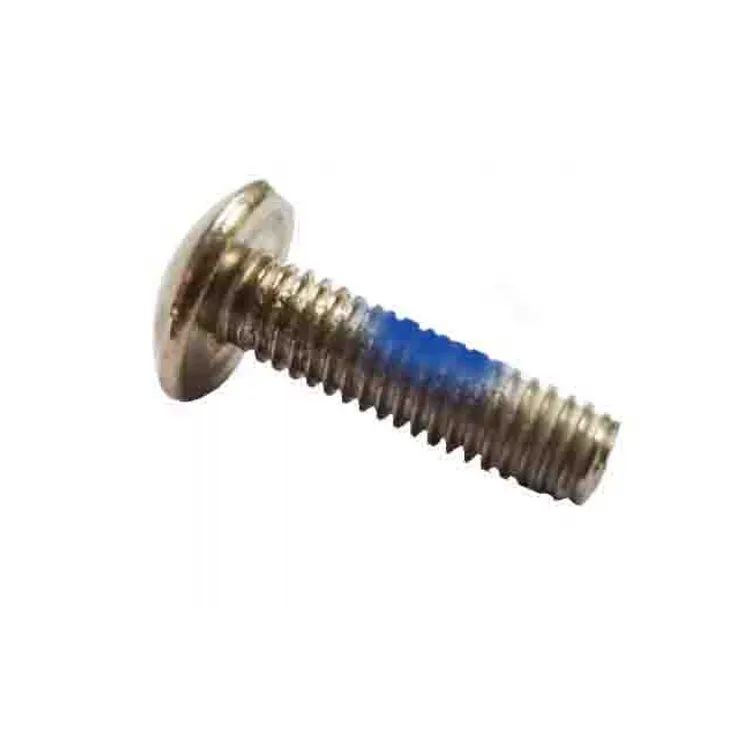
Image source: Bing (Web (fair-use with source credit))
Fix Options Compared: Shims vs. Tape vs. Locking Hardware vs. New Clamps
Not every fix suits every clamp. Here's how the four main options stack up, so you can pick the one that matches your hardware and your tolerance for permanence.
| Fix | Best For | Cost (USD) | Reversible? | Typical Fix Time |
|---|---|---|---|---|
| Rubber/silicone shim | Friction and spring clamps | $3 to $8 | Yes | 5 min |
| Grip tape | Smooth glass and laminate edges | $5 to $12 | Yes | 5 min |
| Set screw or thread-locker | Screw-on tension clamps | $4 to $10 | Blue: yes. Red: no | 10 min + 24 h cure |
| Replacement clamp | Cracked jaws and stripped threads | $5 to $25 per pair | Yes | 15 min |
For rail-mounted clamps, none of the above stops sideways drift. You need a stop collar, a locking pin, or a strip of grip tape along the rail itself. Adhesive-backed mounts need fresh 3M VHB tape or a mechanical clamp instead.
Pick a shim if the clamp still grips but creeps. Pick locking hardware if it loosens weekly. Pick a replacement clamp if the jaw is cracked, glazed, or the threads are gone.
Anything else is a bandage on a broken part.
Mistakes That Crack Panels and Void Desk Warranties
Drilling into thin acrylic or MDF cracks the panel almost every time. Acrylic is brittle and MDF splits along its core once a pilot bit wanders. If you need a bolt-through mount, use a step drill and support the back of the panel with scrap wood.
Even then, check your desk's warranty first.
Gluing clamps to employer-owned furniture is a fast way to lose a deposit. VHB and epoxy leave residue that stripping agents struggle to remove. Lease agreements and BIFMA X5.5 compliance terms usually forbid permanent modifications.
Stick to friction, shims, and removable thread-locker.
Over-torquing fabric-wrapped and PET felt edges is the third big one. Those materials crush under clamp pressure and never spring back. Once the edge is flat, the clamp has nothing to bite.
Finger-tight plus a quarter-turn is all those edges need.
Watch for clamp jaws that protrude into walkways. OSHA walkway guidance treats protruding hardware as a trip hazard. If the clamp sticks out 2 inches or more, reposition the panel.
Frequently Asked Questions
What's the fastest fix for a sliding privacy panel clamp?
A rubber shim plus a quarter-turn on the tension screw. Clean the jaw with isopropyl alcohol first. The whole job takes about five minutes and needs only a screwdriver.
This fixes most friction and spring clamps on the first try.
Why does my clamp keep coming loose every week?
Vibration is rotating the screw counterclockwise. Add blue thread-locker or a set screw. Blue cures in 24 hours and stays removable with hand tools.
Red thread-locker is permanent, so skip it for office furniture.
Can I use double-sided tape instead of a shim?
Yes, but only 3M VHB or a comparable high-tack foam tape. Standard office tape fails within days in a warm room. VHB holds for months and peels off clean if you warm it first with a hairdryer.
How do I stop a rail-mounted clamp from drifting sideways?
Add a stop collar or locking pin on each side of the clamp. Alternatively, lay a strip of grip tape along the rail. The clamp needs a physical barrier, not more torque.
Tightening alone won't stop rail drift.
Will tightening the screw damage my panel?
It can if you push past 1 to 2 Nm. Fabric-wrapped and MDF-core edges crush first. Acrylic can crack under uneven jaw pressure.
Stop at finger-tight, then add a quarter-turn. If the panel flexes, back off immediately.
When should I just replace the clamp?
Replace it when the jaw is cracked, the grip pad is glazed or flat, or the screw spins freely without tightening. A new pair of clamps costs $5 to $25. That's cheaper than a replacement panel and faster than fighting a stripped thread.
Final Decision Guide: Which Fix Fits Your Setup
Match your clamp type to the fix that actually solves it. If it's a friction or spring clip, add a shim and clean the jaw. If it's a screw-on tension clamp, re-torque to 1 to 2 Nm and lock it with blue thread-locker.
If it's adhesive-backed, refresh the VHB tape or switch to a mechanical clamp. If it's rail-mounted, install a stop collar or pin.
One rule covers almost every case: fix the friction before you fix the force. Cleaning the jaw and adding a rubber or silicone shim solves the majority of sliding clamps. Tightening a clamp that has a slick grip pad just crushes the pad and cracks the panel edge.
For panels over 25 mm thick or heavier than 6 kg, add a second pair of clamps. Load per clamp matters more than torque per screw. If the clamp still drifts after a shim, a re-torque, and a lock, the hardware is done.
Replace it and move on.

Similar Posts