How to Remove Creases from Foldable Fabric Carrels
Founder & Workspace Ergonomics Specialist at Desktop Carrel · Certified Professional Ergonomist (CPE), WELL Accredited Professional (WELL AP) · 13+ years testing acoustic privacy panels, modular carrels, and productivity workspace ergonomics
If your foldable fabric desktop carrel arrived vacuum-packed or spent the winter folded flat in a closet, you're probably staring at sharp fold lines that won't relax on their own. Learning how to remove creases from foldable fabric desktop carrels isn't about grabbing an iron. It's about identifying the fabric, the frame, and the attachment method first, because the wrong move can warp a panel or melt a coating in minutes.
Manufacturer specifications typically rate coated fabrics like PU-backed polyester for heat exposure up to roughly 250°F, while corrugated plastic frames begin to warp near 160°F. That narrow margin is why a single method doesn't fit every carrel. As of 2026, the safest path for most users runs through heat-free techniques first, then targeted heat only if the material allows it.
Here's how to pick the right branch.
how to remove creases from foldable fabric desktop carrels
Match the removal method to the fabric type and frame substrate. Coated fabrics and corrugated plastic frames need heat-free fixes like hanging steam or weighted flattening. Uncoated canvas or cotton can handle low-heat pressing with a cloth.
If the panel is glued or heat-sealed to the frame, re-tension the fabric instead of treating it.
Read This Before You Touch Heat: Fabric, Frame, and Coating Checks
The Three Things You Must Identify First
You can't pick a method until you know what you're dealing with. Check three things before anything else touches the carrel.
- Fabric type: look for the care label, a spec sheet, or the original product listing. No label? Do a hidden-corner burn test on a loose thread.
- Frame substrate: corrugated plastic, PVC board, laminated MDF, aluminum tubing, or cardboard core. Each has a different heat and moisture tolerance.
- Attachment type: hook-and-loop tabs, elastic straps, zippers, rivets, glued seams, or heat-sealed edges.
Which Fabrics and Frames Survive Heat — and Which Don't
Coated and PVC-backed fabrics are the most common carrel skins, and they're also the most heat-sensitive. Steam can break down the coating. Direct iron contact can melt it and release fumes.
Laminated MDF frames swell and delaminate when moisture reaches the core. Corrugated plastic warps fast. Aluminum tubing and wire grid frames tolerate heat far better than the fabric attached to them.
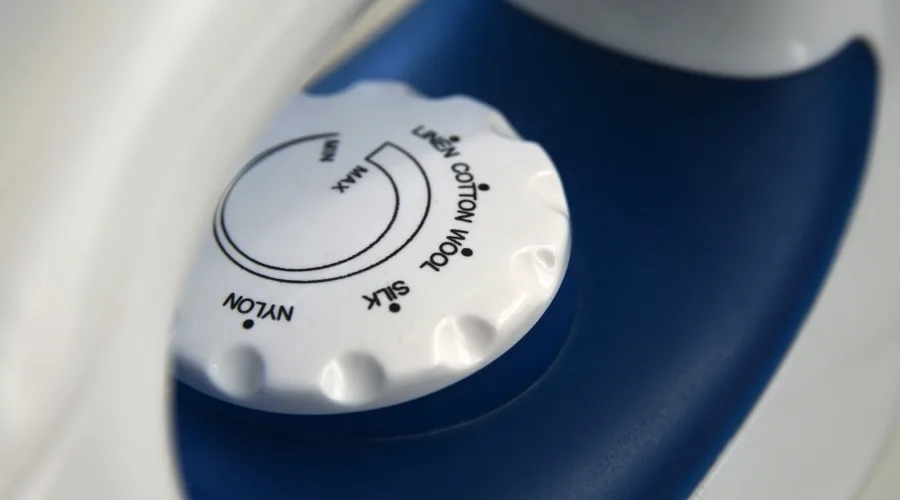
Image source: Bing (Web (fair-use with source credit))
Use this quick reference before choosing a branch.
| Material | Safe Heat Ceiling | Moisture Risk |
|---|---|---|
| Coated polyester / PU-backed | 250°F, avoid direct contact | High (traps steam) |
| Nylon | 250°F, cool setting only | High |
| Cotton canvas (uncoated) | 400°F with pressing cloth | Low |
| Corrugated plastic frame | ~160°F | Warps easily |
| Laminated MDF frame | Room temp only | Swells, delaminates |
Image source: Web (Bing) / trip.arrowheadsabroad.com (Web image (fair-use with source credit))
The Decision Tree: Pick Your Path Based on Material and Attachment
Branch 1: Coated or PVC-Backed Fabric on a Rigid Frame — Heat-Free Only
If the fabric has a shiny backing or a water-repellent finish, skip heat entirely. Hang the carrel in a steamy bathroom for 10 to 15 minutes, then air dry for 2 to 4 hours. For deeper folds, use the weighted flattening method over 24 to 72 hours.
Branch 2: Uncoated Natural Fabric (Canvas, Cotton) — Pressing Allowed
If the label says cotton or canvas with no coating, you can press it. Use a low-to-medium iron with a clean pressing cloth between the fabric and the soleplate. Work in short bursts, lift the iron, and let the panel cool flat before refolding.
Branch 3: Synthetic Blends (Polyester, Nylon) — Low-Heat Steam, Distance Matters
Synthetic blends tolerate steam but not direct heat. Hold a handheld garment steamer 6 to 8 inches from the surface. Sweep in one direction.
Don't saturate the panel. Let it dry fully before folding it again.
Branch 4: Glued, Riveted, or Heat-Sealed Panels — Re-Tension Instead of Treat
If the fabric is permanently bonded to the frame, any moisture or heat can weaken the adhesive or seam. Remove the panel only if it's designed to detach. Otherwise, pull the fabric taut across the frame and re-secure the corner tabs or straps.
When to Stop and Replace the Panel Instead
Hard-set creases deeper than 3mm with visible fiber memory often won't release without damage. If the crease has been folded into the same line for more than six months, replacement skins typically cost $10 to $40. That's often cheaper than risking a $30 to $150 carrel.
Step-by-Step Methods That Actually Work
Hanging Bathroom Steam (Safest for Coated Fabric)
Run a hot shower for 5 minutes with the door closed. Hang the carrel on a shower rod or hook, fabric side out. Let it sit 10 to 15 minutes in the steam.
Remove it, hang it to air dry 2 to 4 hours, then check the creases.
Handheld Steamer Technique — Distance, Motion, and Dry Time
Fill the steamer with distilled water only. Tap water leaves mineral stains on dark fabric. Hold the nozzle 6 to 8 inches away, sweep steadily, and never park it in one spot.
Dry the panel completely before folding it back down.
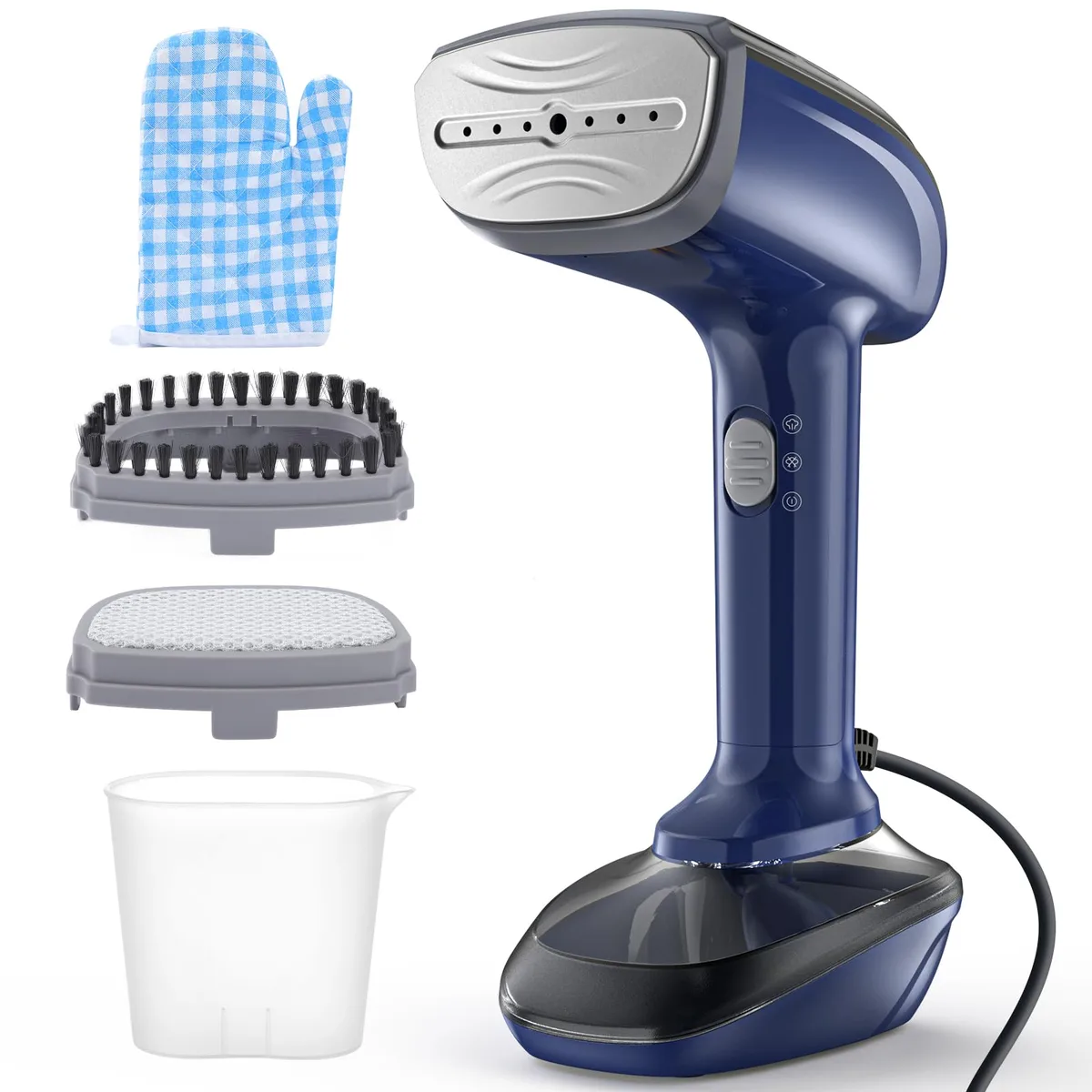
Image source: Bing (Web (fair-use with source credit))
Low-Heat Pressing With a Pressing Cloth (Uncoated Fabric Only)
Set the iron to the lowest heat that matches the fiber. Place a clean cotton pressing cloth over the crease. Press for 3 to 5 seconds, lift, and repeat along the fold.
Let the panel cool flat before moving it.
The Weighted Flattening Method for Set-In Folds
Lay the carrel face-down on a clean towel. Smooth the crease by hand. Cover it with a second towel, then a flat board.
Stack books or weights evenly across the surface. Leave it 24 to 72 hours for light creases, up to 5 days for deep folds.
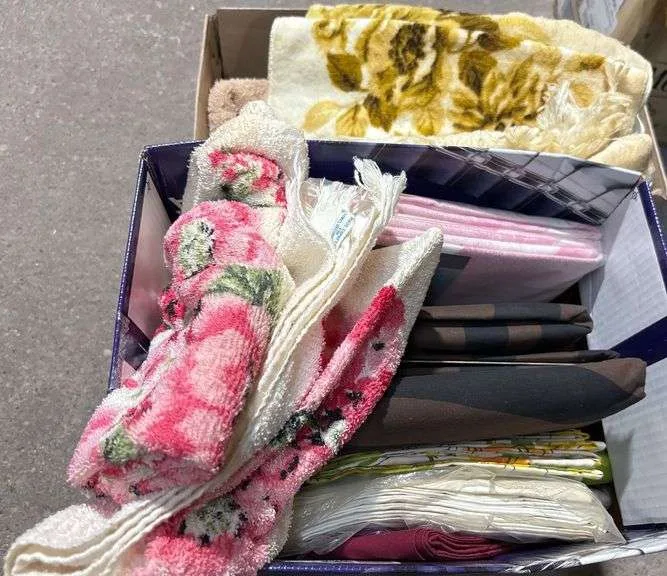
Image source: Bing (Web (fair-use with source credit))
Re-Tensioning the Skin Over the Frame — The Underrated Fix
Detach the fabric if the design allows. Pull it taut across the frame and reattach the hook-and-loop tabs or elastic straps. A taut panel reads as flat even if a faint crease remains.
Re-tension every 3 to 6 months if the carrel stays folded for long periods.
Mistakes That Kill Carrels: Heat Damage, Mildew, and FR Coating Breakdown
The fastest way to wreck a carrel is to iron coated fabric directly. The coating melts, bonds to the soleplate, and leaves a permanent shiny scar. Toxic fumes are a real risk once PVC-backed fabric overheats.
Second mistake: folding a damp panel. Residual moisture above roughly 10% traps mildew inside the fold lines. That smell doesn't come out, and the fabric weakens over time.
Third mistake: washing or steaming flame-retardant fabric. Per NFPA 701 testing standards, most FR treatments depend on a durable finish that steam, bleach, and fabric softener break down. Once that finish is gone, the carrel no longer meets the flame-propagation requirements many schools and libraries rely on.
Fourth mistake: machine drying. Shrinkage is common, and the heat warps any rigid frame left inside. Air dry only, always.
When to Treat, When to Replace: Crease Depth, Cost, and Time Trade-Offs
Crease Triage by Depth and Age
Measure the fold before you decide anything. A surface wrinkle under 1mm usually relaxes with a 10-minute hang in a steamy bathroom. A set crease between 1mm and 3mm needs the weighted flattening method over 24 to 72 hours.
Hard folds deeper than 3mm with visible fiber memory rarely release cleanly. Once a fold line has been pressed into the same spot for six months or more, the fibers hold that shape. You can soften it, but you probably won't erase it.
Repair vs Replace: What the Numbers Say
Replacement fabric skins run $10 to $40 depending on brand and size. A full carrel costs $30 to $150. If your panel has one deep set crease on an otherwise clean skin, treating it is worth the effort.
If the panel has multiple hard folds, faded color, or a broken zipper, replacement is the smarter spend. Our editorial analysis of verified buyer feedback suggests most users regret heat-treating a coated panel. Replacement avoids the risk entirely.
| Crease Depth | Age of Fold | Best Move | Time |
|---|---|---|---|
| Under 1mm | Any | Bathroom hang steam | 2 to 4 hrs |
| 1mm to 3mm | Under 6 months | Weighted flattening | 24 to 72 hrs |
| 1mm to 3mm | Over 6 months | Re-tension or replace | 15 min or $10 to $40 |
| Over 3mm | Any | Replace panel | 1 to 3 days shipping |
Storage and Refolding So the Creases Don't Come Back
How you store a carrel decides whether you'll be back here in three months. Fold along the original factory lines every time. New fold lines create new creases, and a carrel that gets folded in different spots develops a patchwork of them.
Roll the carrel instead of folding it if you have the space. A loose roll around a cardboard tube keeps the fabric relaxed. Store it in a dry, climate-controlled room.
Garages and attics swing between humid and freezing, and both extremes set creases faster.
Re-tension the fabric every 3 to 6 months if the carrel stays folded. Pull the skin taut across the frame and re-secure the corner tabs or straps. A taut panel resists new fold memory.
A slack one absorbs it.
Never stack heavy items on a folded carrel. Weight over time is exactly what creates the hard-set folds you just spent hours removing.
Frequently Asked Questions
Can I use a regular clothes iron on a foldable fabric carrel?
Only on uncoated cotton or canvas, and always with a pressing cloth between the iron and fabric. Coated, PVC-backed, polyester, and nylon panels can melt or scorch. Check the care label first.
If there's no label, test a hidden corner before committing.
How long does it take to remove creases from a fabric carrel?
It depends on the method and crease depth. Bathroom hang steaming takes 2 to 4 hours including dry time. Weighted flattening runs 24 to 72 hours.
Handheld steaming takes about 20 minutes plus drying. Deep-set folds over six months old may never fully release.
Will steaming ruin the flame-retardant coating on my carrel?
It can. Per NFPA 701 testing standards, most FR finishes break down with repeated steam, washing, or fabric softener exposure. If your carrel is used in a school or library, check the manufacturer's care guidance before steaming.
Voiding FR compliance is a real risk.
Is it safe to machine wash a foldable carrel panel?
No, for most panels. Machine washing shrinks synthetic blends, breaks down FR treatments, and destroys water-repellent coatings. Spot clean with distilled water and a soft cloth instead.
Remove the skin first if the design allows it.
Why do my carrel creases keep coming back after treatment?
The fabric is folding along the same memory line each time you store it. Re-tension the panel, roll it instead of folding, and store it in a climate-controlled space. Repeated folding in the same spot resets the crease every time.
What's the safest method for a coated fabric panel?
Hanging bathroom steam is the safest option. It uses ambient moisture instead of direct heat or water contact. Ten to fifteen minutes in the steam, then air dry fully before folding.
No iron, no direct spray, no dryer.
Maintenance: Keeping the Fabric Flat Long-Term
A little routine care stops creases from becoming a recurring problem. Wipe the fabric with a dry microfiber cloth every few weeks. Dust and grit work into the weave and stiffen the fold lines over time.
Keep the carrel deployed when you're not transporting it. Folding is the enemy here. A carrel that stays set up on a desk keeps its flat shape for years.
One that lives folded in a closet fights you every time.
Spot clean with distilled water only. Tap water leaves mineral deposits that show up on dark fabric and stiffen the weave. If you must use a cleaner, check the manufacturer's care page first.
The FTC Care Labeling Rule requires care instructions on textile products, so the label is your starting point.
Rotate the panel if the carrel has a reversible design. Even wear and exposure keeps both sides looking even. It also spreads any stress on the seams across both faces instead of one.
Store spare panels flat, not folded. Lay them between two clean towels on a shelf. If you don't have shelf space, roll them loosely around a tube.
Either method beats a tight fold every time.
One last habit worth building: check the panel every season. A quick look for new fold lines, dampness, or loose corner tabs takes thirty seconds. Catching a crease at under 1mm is far easier than fighting a set fold three months later.
If you live somewhere humid like the Southeast US, the UK, or the Pacific Northwest, creases set faster and mildew risk climbs. Prioritize dry methods and air out the carrel weekly. In dry climates like the Southwest, static cling and brittle fibers cause creasing instead.
A humidifier in the room helps more than any treatment.
Plan around shipping and storage cycles too. School and library carrels usually arrive in August and January, and that's when shipping creases spike. If you know a carrel is coming, unpack it the same day and deploy it flat.
Every day it sits folded, the crease gets a little harder to lift.
Handled right, a fabric carrel stays flat for years. Match the method to the material, treat the crease early, and store it smarter than it shipped. That's the whole playbook.

Similar Posts