How to Clamp Desk Dividers on a Metal Frame Lip
Founder & Workspace Ergonomics Specialist at Desktop Carrel · Certified Professional Ergonomist (CPE), WELL Accredited Professional (WELL AP) · 13+ years testing acoustic privacy panels, modular carrels, and productivity workspace ergonomics
Figuring out how to use clamp desk dividers on a desk with a metal frame lip comes down to one thing: your lip's shape. A rolled edge, a flat overhang, and a recessed channel each need a different approach. Get the diagnosis right, and the install takes five minutes.
Get it wrong, and you're dealing with a wobbly panel or a scratched frame.
The good news is you don't need special tools. You need a tape measure, a clamp that matches your lip geometry, and a bit of patience. Manufacturer specs for major desk brands like Uplift, Fully, and IKEA indicate most metal lips fall between ½ inch and 1½ inches deep, as of 2026.
That range matters because it sets your clamp opening. Here's how to work through it step by step.
how to use clamp desk dividers on a desk with a metal frame lip
Measure your lip depth and thickness first. Match the clamp opening to those numbers. Test-fit the clamp without the panel.
Hand-tighten until snug, never crank it. Seat the panel and check alignment. Re-check everything after 24 hours.
First, Figure Out What Kind of Metal Lip You're Dealing With
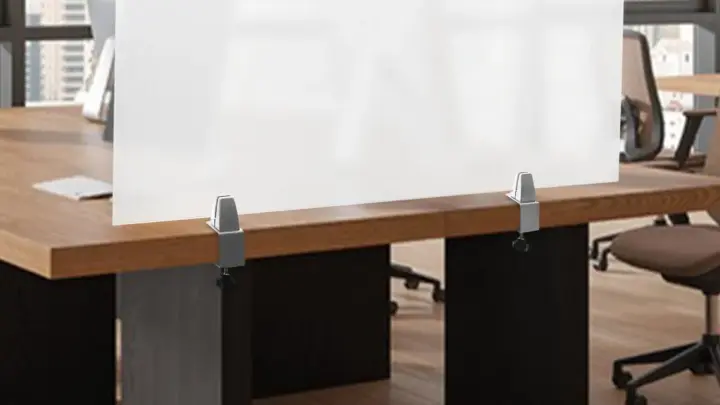
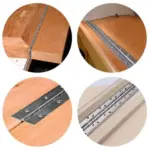
Your metal frame lip is the rolled or folded edge running along the underside of your desk surface. It's structural, not decorative. Clamp dividers grip this lip from below.
The shape of that lip decides whether a clamp bites cleanly or slides off.
Image source: Web (Bing) / amazon.co.uk (Web image (fair-use with source credit))
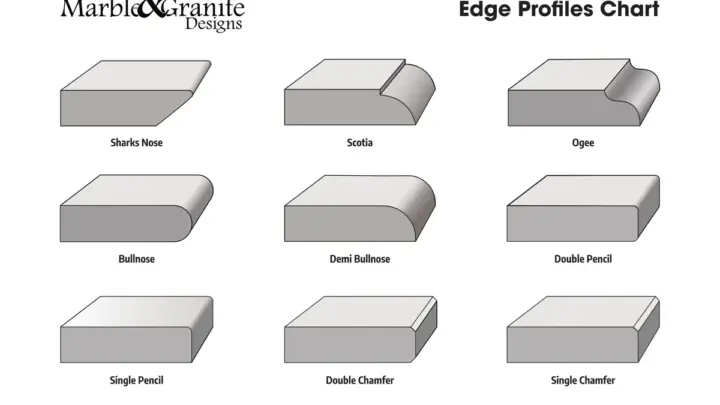
Rolled round lip
A rolled round lip is a curved edge where the metal curls back on itself. It's the most common profile on commercial desks. The curve gives clamps solid purchase because the jaw wraps around a continuous surface.
Image source: Web (Bing) / pinterest.com (Web image (fair-use with source credit))
Squared flat lip
A squared flat lip is a folded 90-degree edge with a flat underside. Clamps grip it well as long as the jaw pad matches the flat surface. This profile shows up on many budget standing desks.
Angled or tapered lip
An angled lip slopes inward. This is where clamps fail most often. The jaw can't grip a slope the way it grips a curve or a flat edge.
Recessed channel lip
A recessed lip sits inside a channel or groove. Standard C-clamps usually won't reach it. You'll need a bracket solution instead.
How to measure lip depth, thickness, and under-lip clearance in under two minutes
Run a tape measure from the desk edge to where the lip ends. That's your lip depth. Measure the metal thickness at the very edge.
Then check the clearance between the lip and anything behind it, like a frame rail or cable tray.
| Measurement | What to record | Why it matters |
|---|---|---|
| Lip depth | ½" to 1½" typical | Sets minimum jaw depth |
| Lip thickness | 1/16" to 3/16" typical | Sets minimum jaw opening |
| Under-lip clearance | 1" to 3" typical | Confirms clamp body fits |
Matching Your Clamp to the Lip (Not the Other Way Around)
Most people buy the divider first, then try to make the clamp fit. That's backwards. Start with the lip, then pick the clamp.
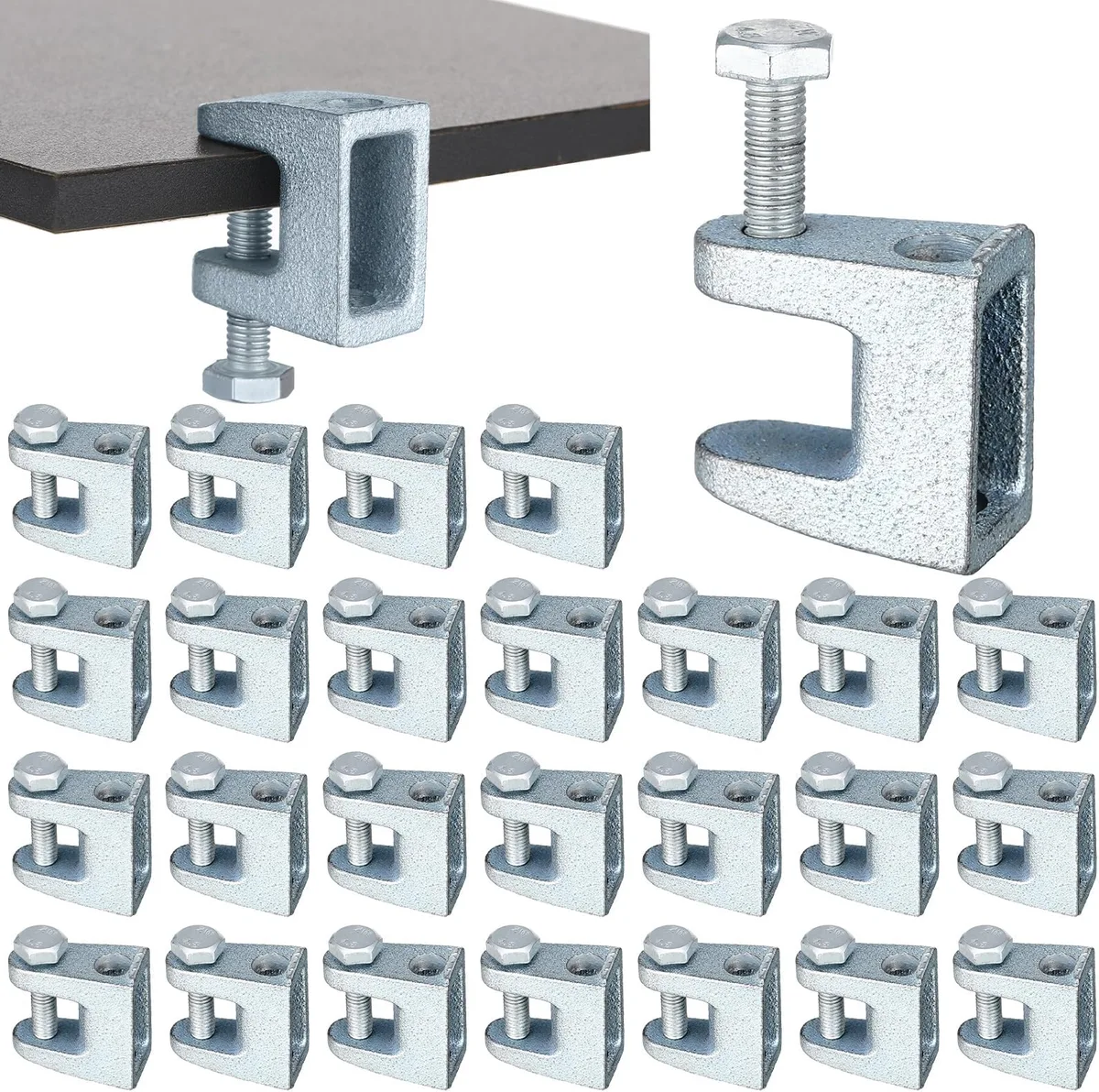
Image source: Web (Bing) / amazon.com (Web image (fair-use with source credit))
Clamp opening capacity vs. lip thickness
Clamp opening capacity is the maximum gap between the jaws. If your lip is 3/16 inch thick, you need a clamp that opens to at least ¼ inch. Most clamp dividers list openings from 0.4 inch to 2 inches.
Jaw depth and why a shallow clamp fails on a deep rolled edge
Jaw depth is how far back the jaw reaches. A deep rolled lip needs more jaw depth to wrap around the curve. If the jaw is too shallow, the clamp pivots off the curve and the panel tips forward.
Rubber, EPDM, and felt pads — what they actually protect
Clamp pads protect your frame from scratches and add grip. EPDM and silicone hold best on smooth powder coating. Felt pads are gentler but slip more on angled lips.
If your frame is painted, don't skip the pads.
When your clamp is too big, too small, or just right
- Too big: jaw won't tighten onto a thin lip, panel wobbles
- Too small: clamp won't open over the lip at all
- Just right: jaw closes with 1/8" to 1/4" of travel left after contact
The Step-by-Step Install (and the Order That Prevents Do-Overs)
Follow this order. Skipping the test-fit is the number one reason people end up with cracked acrylic or scratched frames.
Test-fit the clamp before the panel goes anywhere near the desk
Attach the clamp to the bare lip. No panel yet. Tighten until it holds firm.
If it slides or pivots, stop and try a different clamp.
Hand-tighten, don't crank — torque limits by clamp material
Plastic clamps strip or crack past finger-tight. Die-cast aluminum can take a bit more. Powder-coated steel is the toughest.
A quarter turn past contact is usually enough.
Seating the panel and checking vertical alignment
Slide the panel into the clamp channel. Check it's plumb with a level or by eye against a wall. A leaning panel puts uneven load on the clamp.
The 24-hour re-check most people skip
Rubber pads compress slightly over the first day. Re-tighten after 24 hours. Many "my divider won't stay put" complaints trace back to a missed re-check.
Standing desk adjustments: where the frame rail will bite you
On standing desks, the frame rail runs crosswise under the surface. It can sit right where your clamp needs to go. Measure your clamp zone at both sitting and standing heights.
The panel or clamp body can hit the rail mid-travel.
Where It Goes Wrong: Crushed Lips, Wobble, and Scratched Frames
These are the four failure modes we see most in aggregate user feedback. Each one has a fix.
- Over-tightening hollow rolled tubing: thin-wall tubing crushes. Hand-tight only.
- Clamps sliding on angled lips: add grip tape or switch to an under-lip bracket.
- Cable trays and crossbars blocking the clamp zone: relocate the clamp or the tray.
- Residue and cracked acrylic: cheap pads break down and leave sticky film. Acrylic cracks at over-tightened clamp points.
For workplace setups, OSHA's guidance on open-office visual privacy is worth a look if you're installing more than a couple of panels.
When Clamping Won't Work — Your Backups
If your lip is recessed, angled beyond grip, or too thin for any clamp, clamping isn't the answer. These alternatives cover the gaps.
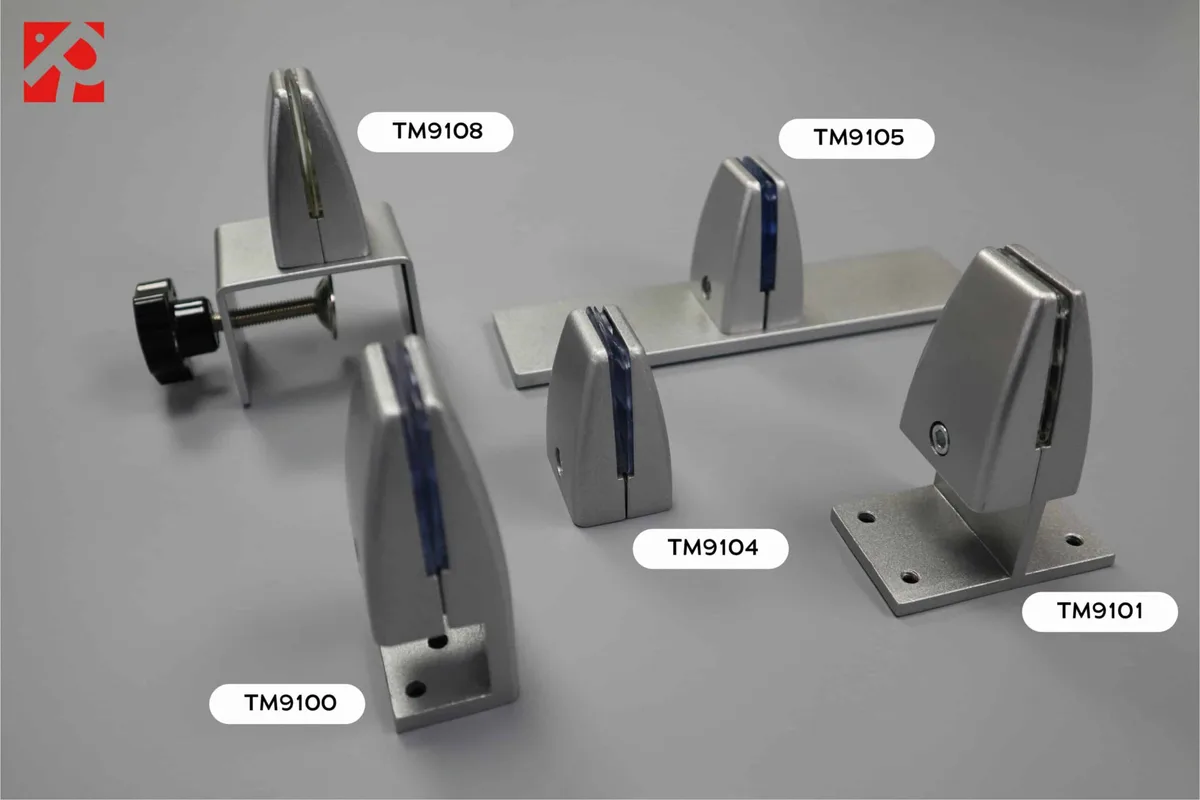
Image source: Web (Bing) / qaqooking.wiki (Web image (fair-use with source credit))
Under-lip brackets and grommet mounts
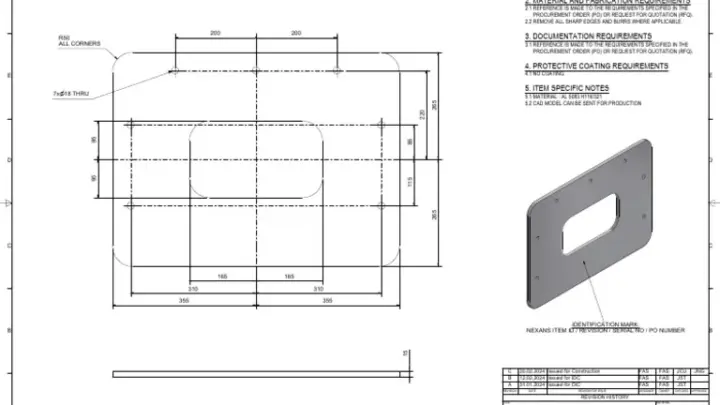
An under-lip bracket bolts to the underside of the desk surface, bypassing the lip entirely. Grommet mounts use an existing cable hole. Both are more stable than clamps on difficult lips.
Freestanding dividers when the lip is recessed or oversized
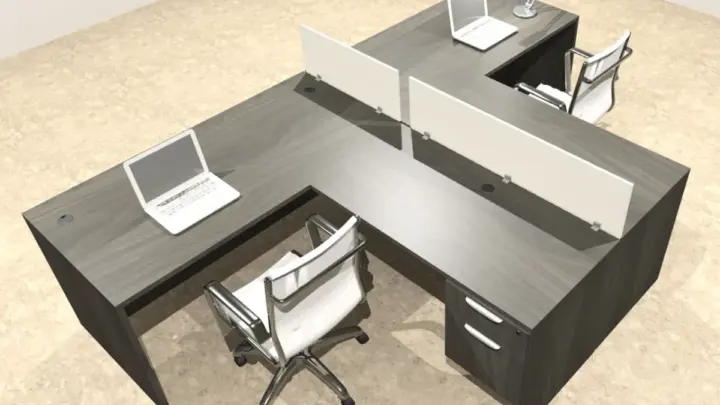
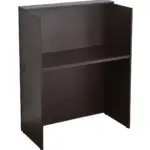
Freestanding dividers need no lip at all. They sit on the desk surface on their own base. Best for recessed channels, oversized lips, or desks you can't modify.
Adhesive and magnetic mounts (and why magnets fail on aluminum)
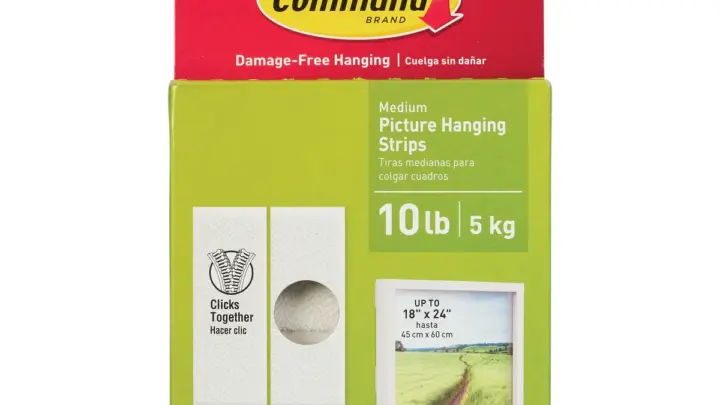
Adhesive mounts work on smooth surfaces but leave residue. Magnetic mounts fail on aluminum frames because aluminum isn't magnetic. If your desk frame is aluminum, skip magnets entirely.
Comparing clamp, bracket, grommet, and freestanding side by side
| Mount type | Best for | Needs lip? | Reversible? |
|---|---|---|---|
| Clamp | Rolled or flat lips | Yes | Yes |
| Under-lip bracket | Recessed or angled lips | No | Yes, with screws |
| Grommet mount | Desks with cable holes | No | Yes |
| Freestanding | Any desk | No | Yes |
Quick note: The same logic applies to desk divider panels used in commercial fit-outs, where BIFMA X5.5 sets load and stability expectations for desk accessories.
Clamp Divider Specs, Pricing, and Load Ratings at a Glance
Numbers make the decision faster. Here's what the clamp divider market looks like as of 2026, pulled from manufacturer specs and aggregate buyer feedback.
| Spec | Typical range | Notes |
|---|---|---|
| Clamp opening | 0.4" to 2.0" | Match to lip thickness plus pad compression |
| Panel height | 12" to 24" | 18" is the most common office pick |
| Panel weight | 2 to 8 lbs | Acrylic sits at the top of that range |
| Clamp load rating | 5 to 15 lbs | Always check per-clamp, not per-kit |
What $25 vs. $120 actually buys you
A $25 clamp divider kit gets you ABS plastic clamps, a single acrylic panel, and basic felt pads. A $120 kit usually adds die-cast aluminum clamps, wider jaw travel, EPDM pads, and sometimes a fabric-wrapped acoustic panel.
For a home office, the budget tier is fine. For a standing desk that moves daily, the aluminum tier holds up better over time.
Compatibility notes for Uplift, Fully, Vari, IKEA Bekant/Idåsen, and Secretlab frames
Uplift and Fully desks tend to use squared or slightly rolled steel lips, which most clamps handle well. Vari frames run similar geometry. IKEA Bekant and Idåsen use thinner rolled lips, so shallow-open clamps can struggle.
Secretlab desks use a thicker rolled profile, which favors clamps with at least 1.5 inches of jaw depth.
Safety, Fire Code, and Office Compliance Basics
Get this wrong in a shared office and your divider comes down fast. The rules are straightforward once you know them.
Weight ratings and panel fall risk
Never exceed the clamp load rating. A 6 lb acrylic panel on a 5 lb clamp is a fall waiting to happen. Check the rating on the clamp itself, not the marketing copy.
ASTM E84 flame ratings for fabric-wrapped panels
Fabric dividers in commercial spaces often need a Class A flame rating under ASTM E84. Check the panel spec sheet before you buy. Acrylic and PET panels generally pass without issue.
ADA sightlines and egress in shared workspaces
ADA Standards for Accessible Design require clear sightlines at reception desks and along egress paths. A tall fabric panel can block both. If you're installing in a public-facing area, keep panels low enough to preserve the sightline.
Clamping near power and USB ports
Don't clamp over a live port. You can pinch a cable or crack the housing. If your frame has integrated power, measure your clamp zone around it, not through it.
FAQs
Can I clamp a divider to a hollow metal lip?
No. Hollow thin-wall tubing crushes under clamp pressure. Use an under-lip bracket or a freestanding divider instead, which spreads the load and avoids the crush risk.
What if my lip is narrower than the clamp's minimum opening?
Switch clamps. A jaw that can't close onto the lip will pivot or slide. Look for a clamp with a smaller minimum opening, or add a thin shim between the jaw and lip.
Will clamp dividers scratch my powder-coated frame?
Not if the clamp has intact rubber or EPDM pads. Worn pads expose bare metal and leave marks. Check your pads before every install, especially on painted frames.
Do clamp dividers work on standing desks?
Yes, but only if your clamp zone clears the frame rail at every height. Measure at sitting and standing positions. If the rail blocks the zone, move the clamp or switch to a grommet mount.
How much weight can a clamp actually hold?
Most clamp dividers hold 5 to 15 lbs per clamp. That covers standard acrylic and PET panels. Fabric panels with acoustic backing sit near the upper limit, so check the spec.
Can I use the same clamp on a rolled lip and a flat lip?
Usually yes, if the jaw has enough depth and travel. Rolled lips need deeper jaws to wrap the curve. Flat lips need a wider pad for grip.
One clamp with both traits handles either profile.

Similar Posts