How to Clean Fabric Acoustic Desktop Carrel Panels
Founder & Workspace Ergonomics Specialist at Desktop Carrel · Certified Professional Ergonomist (CPE), WELL Accredited Professional (WELL AP) · 13+ years testing acoustic privacy panels, modular carrels, and productivity workspace ergonomics
Cleaning a fabric acoustic desktop carrel panel isn't like wiping down a laminate desk. The fabric face is porous. The core underneath is usually fiberglass, mineral wool, or PET felt.
Get it wrong and you'll leave water rings, sag the core, or grow mold where you can't see it.
The good news: if you know your panel type, most cleaning jobs take under 30 minutes and need nothing more exotic than a HEPA vacuum and a dry sponge. The bad news: one wet overclean can pull a Class A fire rating, per ASTM E84 testing, or void your manufacturer warranty, and replacement panels run $80 to $300+ as of 2026. Here's the decision tree we'd use on any carrel panel.
how to clean fabric acoustic desktop carrel panels
Vacuum the fabric first with a HEPA brush attachment on low suction. Spot-treat stains with a dry sponge or chemical sponge before any liquid touches the face. If you need a wet method, use a low-moisture encapsulation foam, blot it off, and let it air-dry.
Never soak the panel.
Why Generic Upholstery Advice Destroys Acoustic Panels
Sofa cleaning tips don't transfer here. Upholstery has a foam cushion wrapped in fabric, both of which tolerate moisture. A fabric acoustic carrel panel is a different animal: a dense porous core wrapped in a thin, non-woven or knit face.
Water wicks straight through the face and into the core.
Once moisture sits inside a fiberglass or mineral wool core, three bad things happen. The core sags and loses rigidity. Adhesive between fabric and core fails.
And mold colonizes the interior, where you can't reach it with a sponge.
Manufacturer specifications from brands like Steelcase, Herman Miller, and MooreCo typically recommend dry methods first, then low-moisture foam as a fallback. Full wet extraction is almost never approved for fabric-wrapped panels.
There's also the acoustic angle. That fabric face is engineered to be porous, that's how sound energy gets absorbed rather than bounced. Aggressive scrubbing, high-suction vacuums, or chemical residue can clog the pores and quietly kill the panel's NRC rating, which usually sits between 0.55 and 0.95 on desktop carrel units.
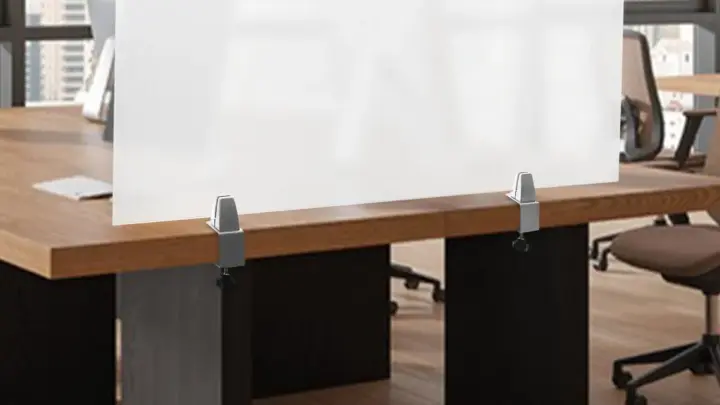
Check Your Panel Before You Clean: Fabric, Core, Mounting, and Care Label
Before you touch a cloth to the panel, run three quick checks: what's the core made of, how is the panel mounted, and what does the care label say. That last one matters most, and a lot of people skip it.
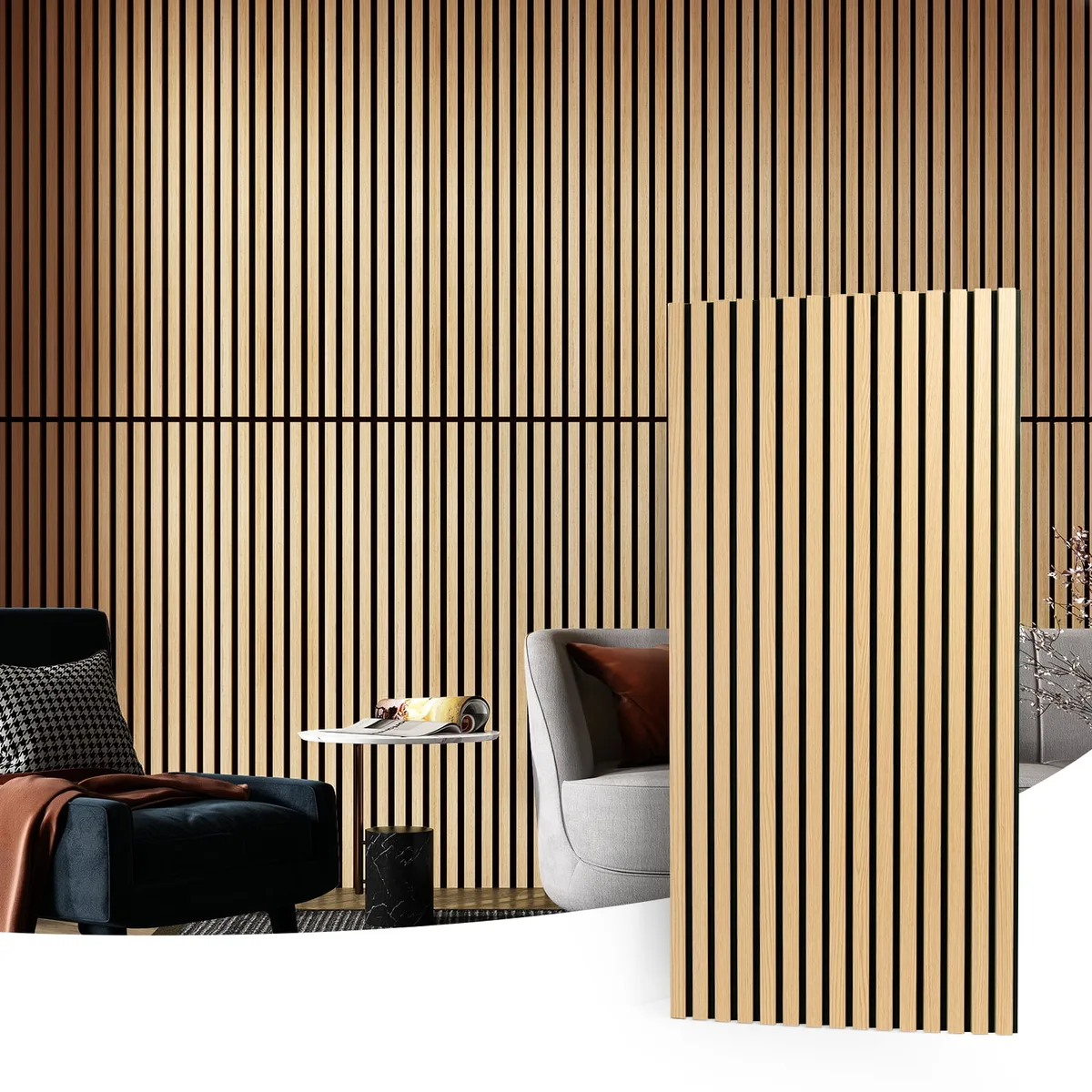
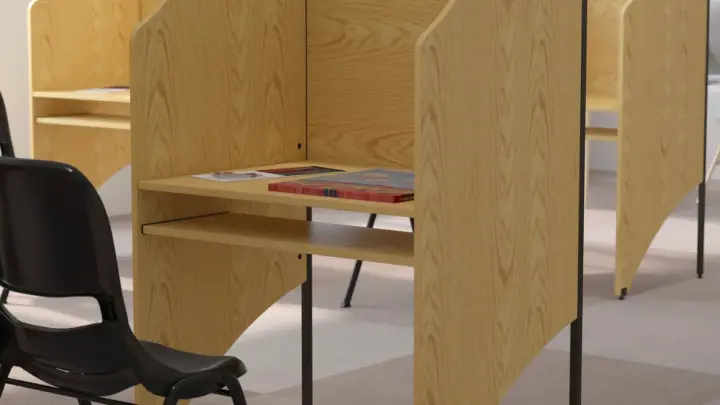
Image source: Bing (Web (fair-use with source credit))
What's the core material?
Core type decides your cleaning ceiling. Here's how each one behaves:
- Fiberglass batt (rigid or semi-rigid): porous, sags with moisture. Dry methods only unless the label says otherwise.
- Mineral wool (rock wool): dense and moisture-tolerant to a point, but slow to dry. Prefer dry or low-moisture.
- PET felt: recycled polyester, relatively water-resistant. Wipe-clean friendly, but never soak.
- Melamine foam: workable with low-moisture foam, but can crumble if scrubbed.
- Honeycomb paper core: never wet-clean. Paper wicks water and swells.
What's the face fabric?
Non-woven polypropylene and polyester knit are the two most common faces on carrel panels. Both are thin and prone to snagging. Open-weave fabrics let soil in but also let it out.
Tightly woven or felted faces trap stains deeper. If the panel has a soil-release finish, check whether your cleaner will strip it.
How is the panel mounted?
Adhesive-mounted panels can't be soaked, that's the number one rule. Moisture travels through the panel and weakens the glue on the back. Clamp-on and hook-and-loop panels you can usually detach and lay flat.
Freestanding A-frame and tri-fold carrels often have a removable fabric cover you can zip off and hand-wash separately.
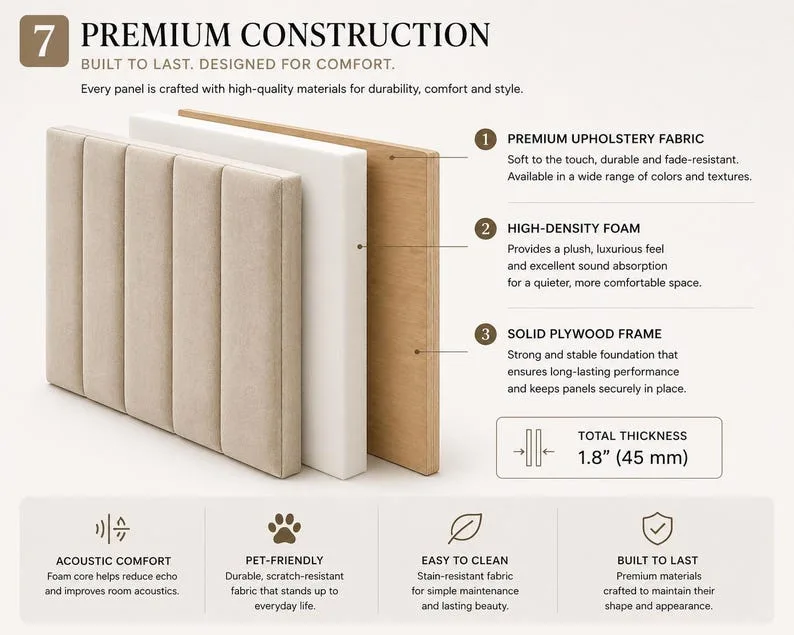
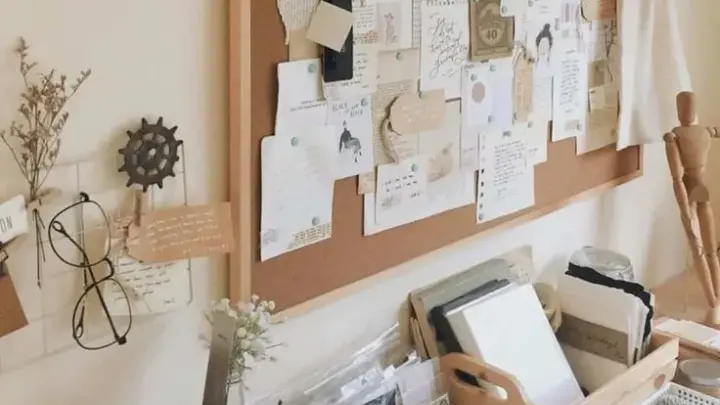
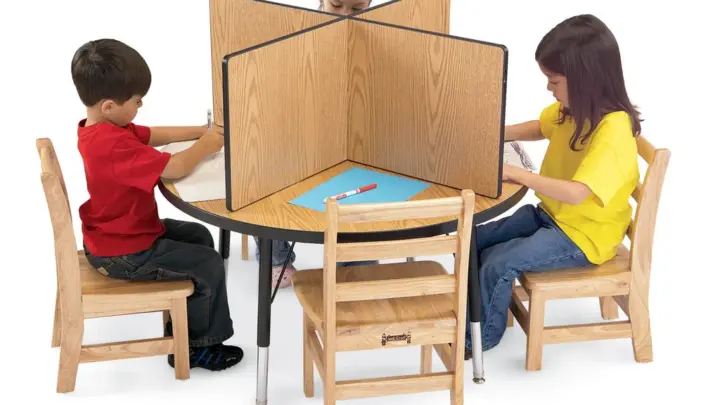
Image source: Web (Bing) / etsy.com (Web image (fair-use with source credit))
Where's the care label?
Look on the back edge, the underside, or the inside of any removable sleeve. Manufacturer care labels typically use a code system (W for water-based, S for solvent, WS for either, X for vacuum-only). If there's no label, default to dry cleaning methods.
Don't guess.
Choose Your Method: Dry Dust, Spot Clean, or Low-Moisture Wash
Think of this as a ladder. Start on the lowest rung that solves the problem. Get off the ladder the moment the panel is clean.
- Rung 1: HEPA vacuum (dust and loose soil)
- Rung 2: Dry sponge or chemical sponge (surface soil, light body oils)
- Rung 3: Damp microfiber and distilled water (small fresh spots)
- Rung 4: Low-moisture encapsulation foam (set-in stains, larger areas)
- Rung 5: Professional cleaning (heavy soiling, mold, or unknown fabric)
- Off the ladder: Never use steam, never soak, never fogger, never submersion
Here's the same decision laid out by condition:
| Condition | Best Method | Avoid |
|---|---|---|
| Routine dust | HEPA vacuum, soft brush | Compressed air at high PSI |
| Hand oils, edge grime | Dry sponge, then microfiber | Spray cleaners |
| Coffee, tea, fresh ink | Blot, then foam spotter | Rubbing, hot water |
| Unknown set-in stain | Low-moisture foam, test first | Extraction, steam |
| Visible mold or smell | Isolate and replace | Any DIY wet method |
When dry methods win
Ninety percent of carrel panel cleaning is dry. If dust is your issue, a HEPA vacuum with a brush attachment on low suction is the whole job. Run it weekly.
Add a lint roller for touch-ups between vacuums.
When you need a wet method
Wet methods exist for stains the dry approach won't lift. In those cases, low-moisture encapsulation foam is the safest option. It's designed to crystallize around soil and lift it without saturating the fabric backing.
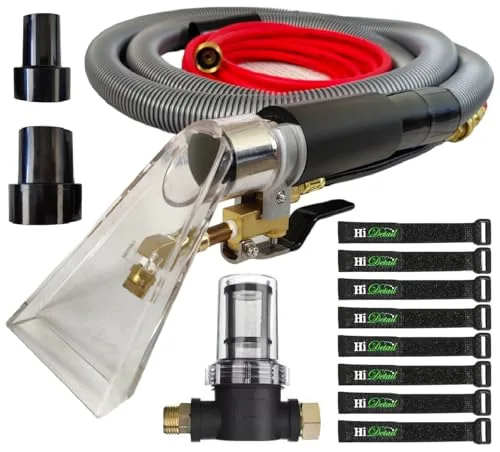
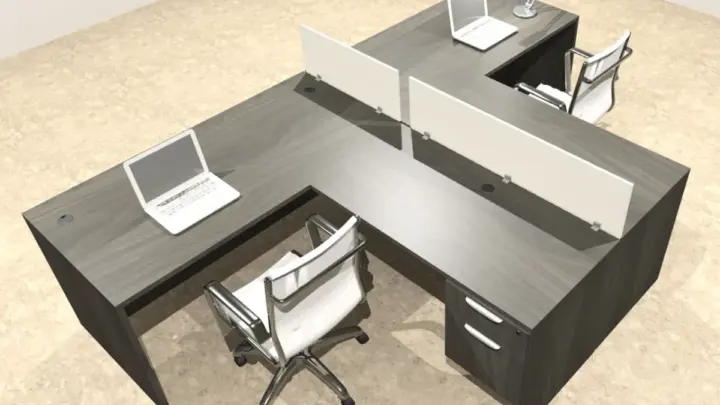
Image source: Bing (Web (fair-use with source credit))
When to stop and call a pro
Call a professional if you see mold on the core, if the panel is glued down, if the fabric is silk, wool blend, or an unknown fiber, or if the panel is pre-1980s mineral wool (possible asbestos). Per IICRC S520 mold remediation standards, contaminated cores should be isolated and replaced, not cleaned.
Step-by-Step: How to Clean Fabric Carrel Panels Without Soaking the Core
Follow the sequence. Skipping the vacuum step is the most common reason wet cleaning streaks.
- Detach the panel if it's removable. Lay it flat on a clean drop cloth.
- Vacuum both sides with a HEPA brush. Low suction. Overlap your passes.
- Test any liquid on a hidden edge first. Wait 10 minutes. Check for color bleed.
- Dry-clean the surface. Use a dry sponge or chemical sponge with light pressure.
- Pre-treat spots. Work from the outside of the stain inward, blot don't rub.
- Apply low-moisture foam in small sections. Agitate gently with a soft brush, with the fabric direction.
- Extract or blot within 30 seconds. A clean white towel works. No rinsing.
- Air-dry flat with a fan. Never use heat. Allow 15 to 30 minutes for a low-moisture job.
- Re-vacuum once dry. This lifts any residual encapsulation powder.
- Re-mount and check for sag, delamination, or tide lines.
Timings that matter
- Spot test dwell: 10 minutes
- Encapsulation foam dwell: 30 to 60 seconds before blotting
- Low-moisture dry time: 15 to 30 minutes
- Full wet cleaning dry time: 4 to 12 hours (mold window opens at hour 4)
- Full panel replacement, if needed: 3 to 15 business days lead time
Cleaning Mistakes That Stain, Sag, or Mold Your Panels
These are the calls we see come back as complaints most often.
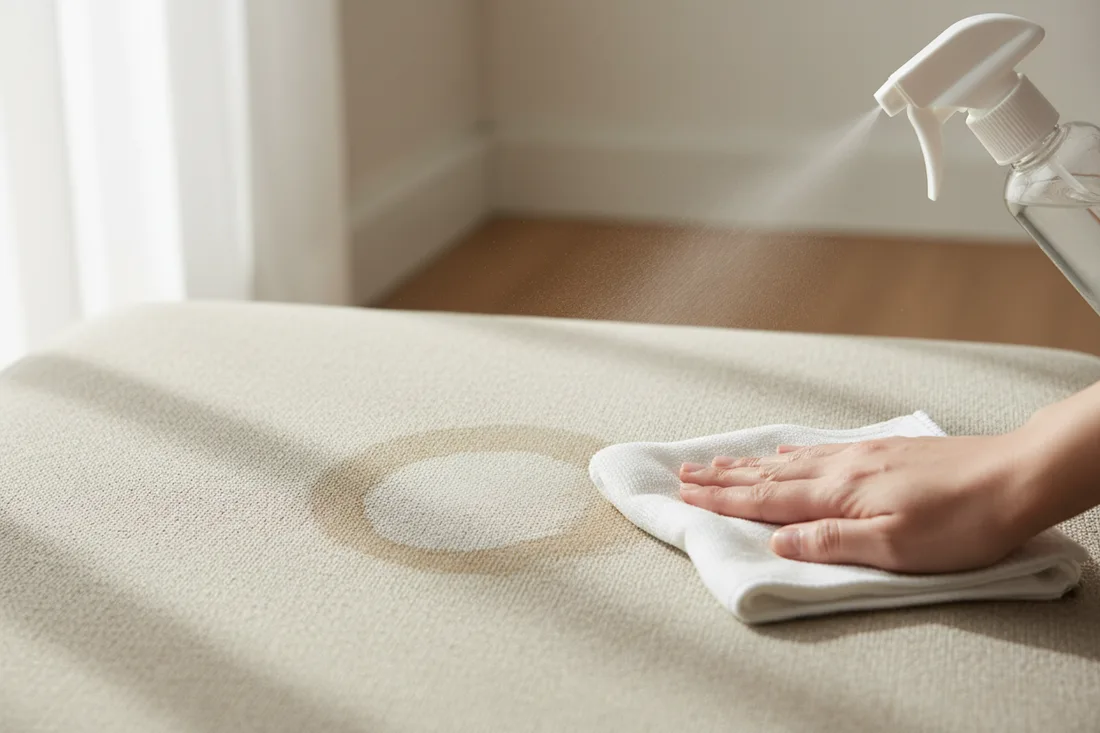
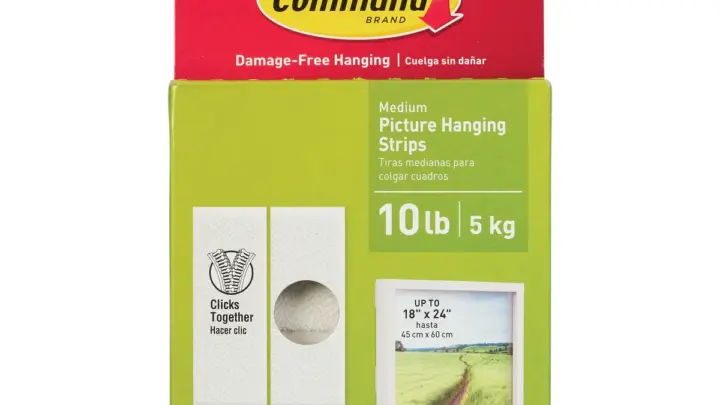
Image source: Web (Bing) / lifelogiclab.com (Web image (fair-use with source credit))
- Soaking the fabric. Water rings form at the edge of the wet zone and never come out.
- Rubbing a stain instead of blotting. You push it deeper into the weave.
- Using hot water. Heat sets protein stains and can shrink some knits.
- Spraying disinfectant directly on the fabric. Quaternary ammonium compounds and bleach damage dyes and finishes. Per EPA List N, only fabric-safe formulas should touch porous surfaces.
- Fogging a carrel with a disinfectant mist. The mist settles in the core and never dries.
- Skipping the vacuum. Any grit on the surface gets ground in during wet cleaning.
- Using a household steam cleaner. Steam saturates the core, period.
- Cleaning a glued panel in place with liquid. Adhesive failure usually shows up weeks later, not the same day.
- Ignoring a smell. Musty odor means mold inside the core. Cleaning the face won't fix it.
- Withholding documentation. Many warranties require you to follow the label method and keep a log. Keep one.
Safety, Warranty, and When to Replace Instead of Clean
Cleaning goes wrong at the two extremes: using the wrong chemical, or ignoring a problem that cleaning can't fix. Both carry real consequences.
The safety side is mostly about chemicals and unknowns. Per OSHA's standards for workplace cleaning, any product you use in a shared office should have a Safety Data Sheet (SDS) on file. Ventilate the space while working.
Wear nitrile gloves for any solvent-based spotter.
Manufacturer warranties: most commercial furniture makers require you to follow the care label method and use approved cleaners. Use bleach, quats, or steam, and you've likely voided coverage. Keep a simple log of what you used and when.
Then there's the asbestos question. Mineral wool and fiberglass panels made before the 1980s can contain asbestos. If you're not sure of the panel's age, do not disturb the core.
Test first or replace.
When cleaning won't cut it
Replace the panel, don't clean it, if any of these are true:
- You can see or smell mold inside the core
- The core is soft, sagging, or visibly swollen
- The fabric is delaminating from the core
- Adhesive has failed and the panel is coming off the wall
- The panel is pre-1980s and untested for asbestos
- Stain has soaked completely through to the backer
Repair versus replace: a real cost comparison
| Option | Typical Cost | Time | Best For |
|---|---|---|---|
| Spot clean with foam | $5 to $20 in supplies | 30 min | Fresh stains, routine soil |
| Replace fabric cover (zip-off panels) | $40 to $90 | 1 to 2 weeks lead | Faded fabric, worn face |
| Replace full panel | $80 to $300+ | 3 to 15 business days | Mold, sag, delamination |
| Professional cleaning service | $3 to $8 per sq ft | 1 to 3 days | Heavy soiling, unknown fabric |
If the panel is more than 10 years old and showing core damage, replacement usually beats cleaning on both cost and longevity. If it's under five years old and the issue is surface soil, cleaning wins every time.
Fire-rated panels: a special warning
Class A rated panels per ASTM E84 must keep their flame-spread rating after cleaning. Some cleaners strip or add residue that changes that rating. If your space is inspected, use only cleaners the manufacturer lists as compatible, and log it.
Maintenance That Keeps Panels Out of the Cleaner Aisle
Prevention beats restoration, and it costs almost nothing. A five-minute routine keeps carrel panels looking new for years.
- Vacuum the fabric weekly with a HEPA brush on low suction.
- Lint-roll touch-ups between vacuums, especially in high-touch zones.
- Wipe the top edge and side rails with a dry microfiber cloth every other week.
- Keep food and drinks away from shared carrels. Coffee is the number one stain we see in facility reports.
- Vacuum the crevice between the panel and the desk monthly. That's where crumbs and dust collect.
- Rotate hot-desking stations to spread wear. Same desk, same panel, same hand oils equals uneven soiling.
- Inspect quarterly for early signs of sag, tide lines, or musty smell.
- Deep clean every 6 to 12 months, and only if the panel needs it.
A 12-month calendar that actually holds up
- Weekly: HEPA vacuum, lint roll high-touch areas.
- Monthly: crevice cleaning, edge wipe-down, visual inspection.
- Quarterly: rotate stations, check mounting hardware, re-vacuum under-desk zones.
- Every 6 to 12 months: low-moisture deep clean if needed.
- Annually: check care labels against manufacturer updates, log all cleaning for warranty.
Small habits that extend panel life
Two things kill carrel panels faster than anything else: moisture inside the core and repeated abrasion on the face. Both are preventable with habits, not products.
Keep humidity in the office between 30 and 50 percent. Above 60 percent, mold risk climbs. Below 30 percent, static attracts dust faster.
If your team hot-desks, put a small sign on each carrel with the care label code (W, S, WS, or X) and a one-line cleaning instruction. It sounds fussy until you've watched three panels get soaked in one quarter.
When to bring in a pro
Bring in a professional cleaner if the panel is glued in place, if you have more than 20 panels to service, if the fabric is unknown or premium, or if mold is present. Per IICRC S520 standards, mold in the core means isolation and replacement, not cleaning. A pro can also verify fabric identity and pick the right cleaner for the whole fleet.

Similar Posts