How to Remove Sticker & Tape Residue From Carrels
Founder & Workspace Ergonomics Specialist at Desktop Carrel · Certified Professional Ergonomist (CPE), WELL Accredited Professional (WELL AP) · 13+ years testing acoustic privacy panels, modular carrels, and productivity workspace ergonomics
You're staring at a sticker outline that's been baked into a study carrel for years. Your fingernail won't budge it. Your first instinct is to grab a razor blade or a bottle of something harsh.
Both will probably ruin the finish. Learning how to remove stickers and tape residue from desk carrels isn't about buying the strongest solvent. It's about matching the method to the surface and the age of the adhesive.
Get that match wrong and you'll gouge laminate, melt veneer glue, or cloud a glossy finish that was fine five minutes ago. In our research, most carrel surfaces are high-pressure laminate (HPL), a resin-and-paper composite bonded under heat and pressure. Manufacturer care guides from Formica and Wilsonart are clear: solvent choice matters more than elbow grease.
So before you reach for anything, let's figure out what you're actually dealing with.
how to remove stickers and tape residue from desk carrels
Warm the residue with a hairdryer first. Soften it, then lift it with a plastic razor blade. If any film remains, wipe it with 70% isopropyl alcohol.
Skip metal scrapers and acetone on laminate. Test a hidden spot, work gently, and never scrub hard enough to dull the finish.
Why Carrel Surfaces Decide Your Method
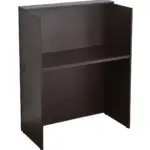
Every carrel falls into one of a few surface types, and each one has a different tolerance for heat and chemicals. If you know your surface, you already know which methods are safe. If you don't, find out first.
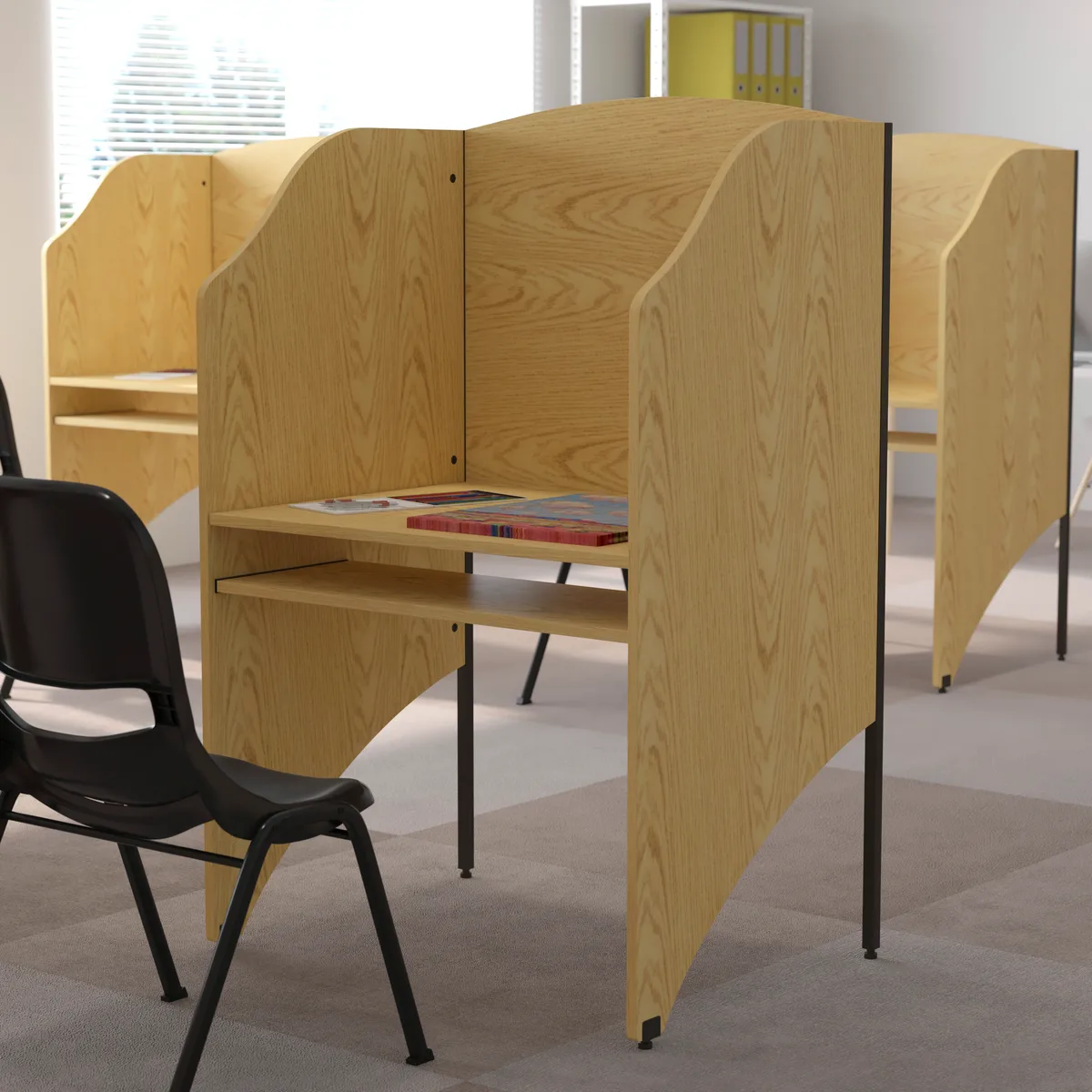
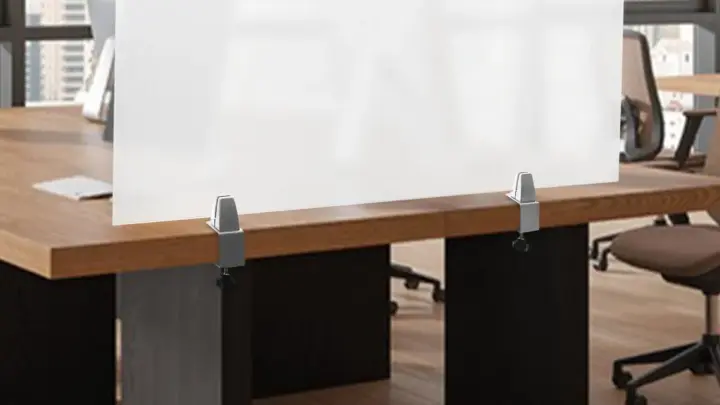
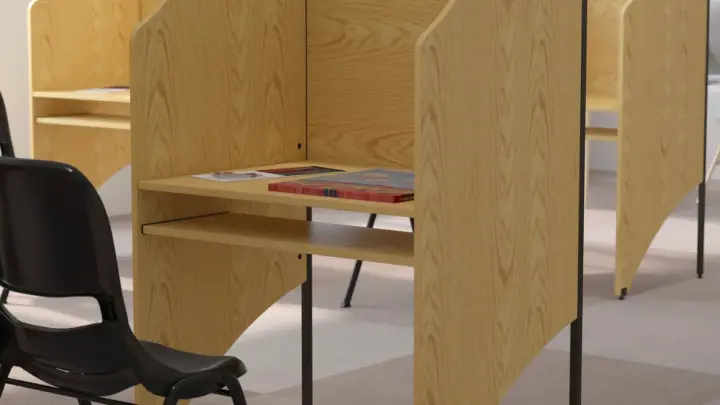
Image source: Web (Bing) / wayfair.com (Web image (fair-use with source credit))
Laminate and Melamine (Most Common)
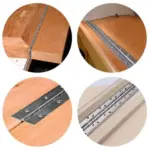
High-pressure laminate resists most mild solvents and handles moderate heat well. It's the forgiving surface of the bunch. But it's also non-porous, so adhesives sit on top and smear easily if you scrub.
Acetone can dull a glossy top layer, so save it as a last resort.
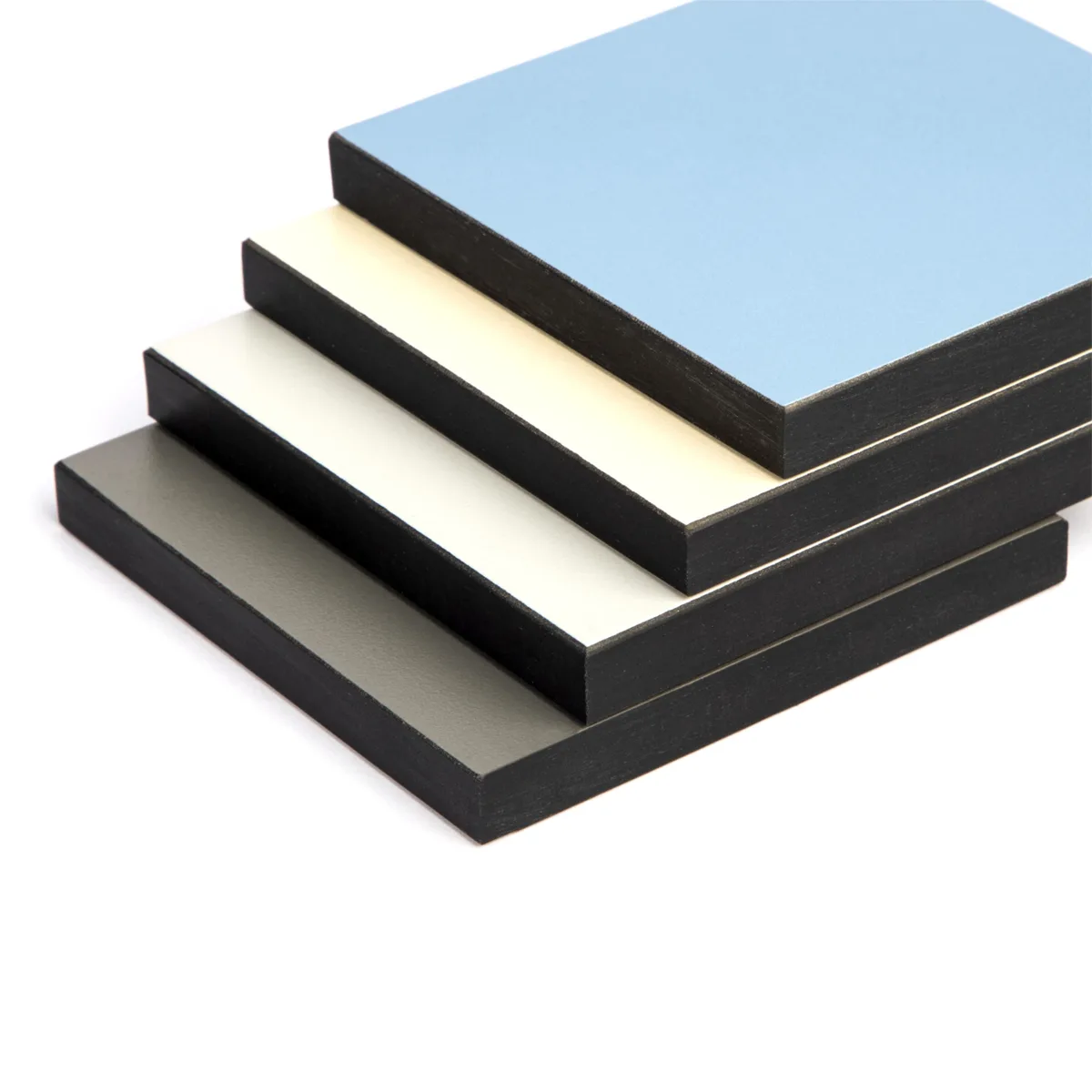
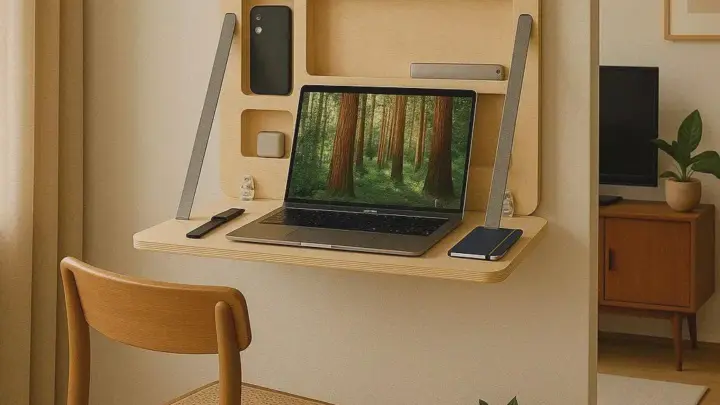
Image source: Web (Bing) / keplerhpl.com (Web image (fair-use with source credit))
Wood Veneer and Solid Wood
Veneer is a thin slice of real wood glued to a core, often under 2mm thick. The glue underneath softens with heat. Too much heat and the veneer lifts.
Use warm air, never a heat gun on high, and lean on oils or mineral spirits instead of alcohol.
Painted Steel and Powder-Coated Metal
These tolerate alcohol and mild heat but hate abrasives. A magic eraser can scuff powder coat. Stick to heat, plastic scrapers, and isopropyl alcohol here.
Acetone will strip paint, so keep it away.
The Hidden Test Spot Rule
Always test on an underside edge or the back lip of the carrel. Apply your chosen method to a quarter-sized patch. Wait ten minutes.
If the finish dulls, stains, or softens, stop and drop to a gentler step on the ladder.
The Escalation Ladder: Gentlest Method First
Think of removal as a ladder. You climb one rung at a time. You only move up when the current rung fails.
This keeps you from jumping straight to the harshest option and wrecking a surface that a gentler method would have handled.
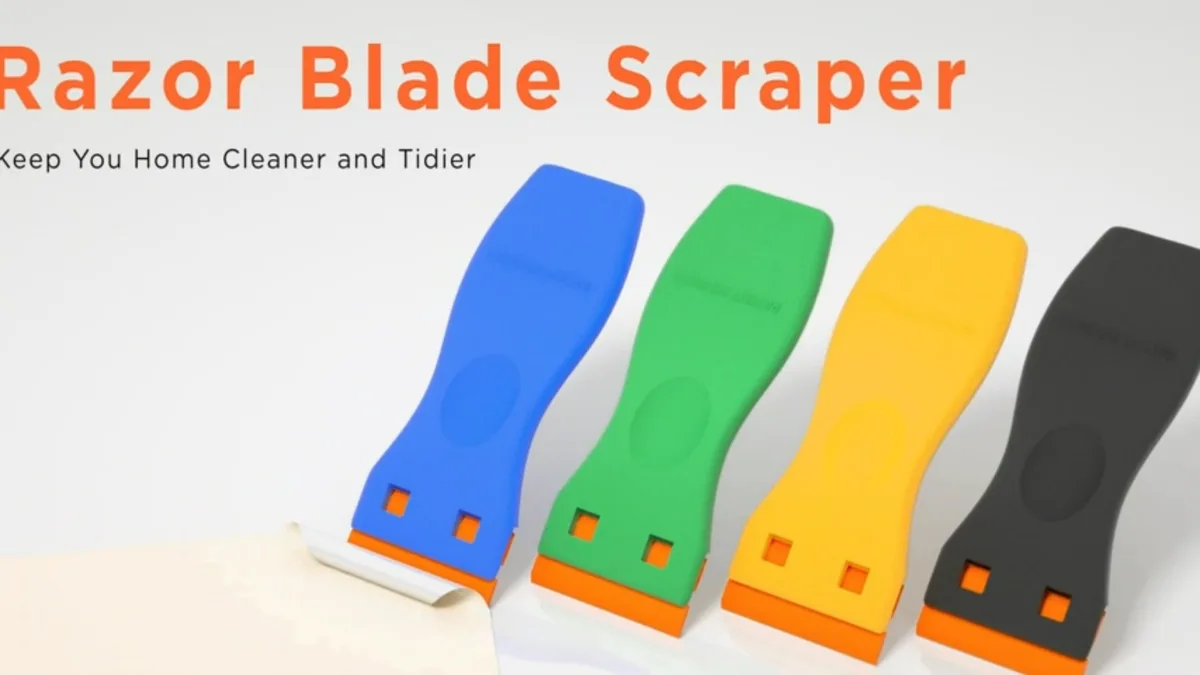
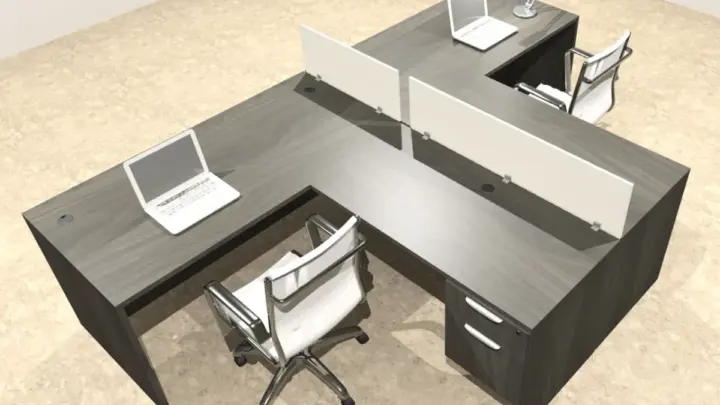
Image source: Web (Bing) / alibaba.com (Web image (fair-use with source credit))
Step 1 — Heat and Lift
Warm the residue with a hairdryer on medium, holding it six to eight inches away. Per manufacturer guidance, adhesives soften around 120°F to 180°F. Once it feels tacky, slide a plastic razor blade or old credit card under the edge at a shallow angle.
Lift, don't scrape. Most fresh tape comes off here.
Step 2 — Isopropyl Alcohol
If a sticky film remains, soak a cloth with 70% isopropyl alcohol (IPA) and press it over the spot for 30 to 60 seconds. Wipe once. IPA is the safest solvent for laminate, metal, and most veneer.
Swap to 91% for stubborn residue, but keep it off bare wood.
Step 3 — Citrus and Oil Solvents
If IPA doesn't cut it, go to a citrus-based solvent like d-Limonene or plain orange oil. These lift older gum and rubber cement. If you're on laminate, watch for staining on pale surfaces.
Give the solvent a minute to dwell before wiping.
Step 4 — Mineral Spirits and Naphtha
These handle baked-on tape and sticker gum that lighter solvents leave behind. Work in a ventilated space, wear nitrile gloves, and wipe with the grain on wood. They're slower to evaporate, so give them dwell time, then clean the film off with soapy water.
Step 5 — Acetone (Last Resort Only)
Acetone is the nuclear option. It's the only reliable remover for some permanent adhesives, but it eats latex gloves, strips paint, and clouds laminate gloss. If you reach this rung, you've likely got a metal or glass surface, or you're accepting the risk of a dulled spot.
Step-by-Step Workflow for a Full Carrel
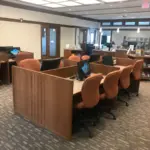
Removing one sticker is quick. Cleaning a whole carrel, top to bottom, needs a rhythm. Here's the order our research supports.
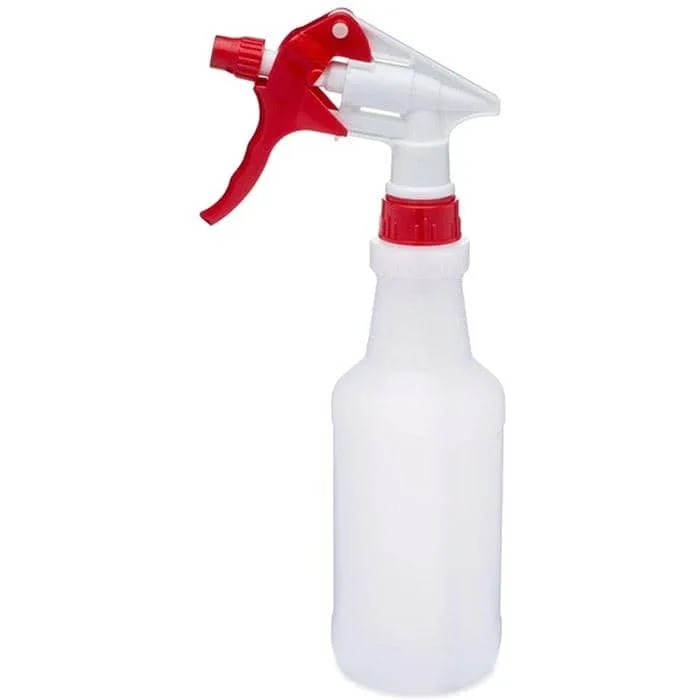
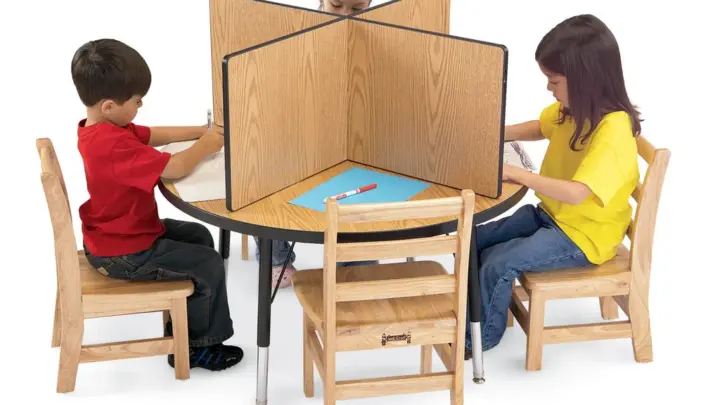
Image source: Web (Bing) / totalrestroom.com (Web image (fair-use with source credit))
Setup and Ventilation
Open a window or set a small fan to pull air away from you. Lay down a drop cloth. Put on nitrile gloves and safety glasses.
Keep solvents away from any pilot light or open flame, since IPA, acetone, and naphtha are all flammable.
Residue Removal Pass
Move top to bottom, side to side. Heat first, then lift with a plastic blade. Follow with the ladder, one rung at a time.
Don't move to the next spot until the current one is clean. Fresh residue takes seconds. Years-old residue can take repeated passes.
Final Wipe and Ghosting Check
After removal, wipe the whole surface with a damp cloth and mild soap. Dry it. Now check for "ghosting," a faint outline where dye from the sticker bled into the surface.
If you see it, a light pass with IPA usually lifts it. If not, it's a stain, not residue.
Wood Conditioning (If Needed)
Bare or oiled wood can look dry after solvent exposure. Apply a thin coat of furniture oil or a wood-safe polish. Buff it in with the grain.
Skip this on laminate and metal, since it just leaves a greasy film.
Safety, Ventilation, and Legal Notes
This is the section most guides skip, and it's the one that matters most. Adhesive removal involves flammable chemicals, and some carrels are old enough to carry a hidden hazard. Take two minutes here before you start.
Flammability and Fumes
Acetone has a flashpoint of 1.4°F, IPA sits around 53°F, and mineral spirits lands near 104°F. All three can ignite from a spark or pilot light. Never work near a water heater or furnace.
Keep the room ventilated.
PPE and Glove Choice
Nitrile gloves resist most solvents. Latex gloves do not, and acetone will eat straight through them. Wear safety glasses to block scraping debris.
If fumes bother you, NIOSH recommends a respirator rated for organic vapors.
Lead Paint on Older Carrels
Carrels built before 1978 may carry lead paint. Per the EPA's Renovation, Repair and Painting rule, sanding or scraping lead paint releases dust that's dangerous, especially to kids. If your carrel predates 1978, use wet methods and avoid dry scraping.
School and Library Chemical Policies
Many schools and libraries restrict solvent use in occupied spaces. Acetone and naphtha are often banned outright. Check your facility's chemical policy first.
Citrus solvents and heat are usually the approved fallback in K-12 settings.
Mistakes That Ruin Carrel Finishes
Most carrel damage happens in the first thirty seconds, before the residue even starts to move. Here's where people go wrong, and what to do instead.
Scrubbing Instead of Lifting
Rubbing hard pushes adhesive deeper into the surface grain and spreads the sticky film wider. It also creates heat through friction, which can dull a laminate finish. Lift with a blade at a shallow angle, then wipe once with your solvent.
Too Much Heat, Too Fast
A heat gun on high will blister laminate and lift veneer glue in seconds. Per manufacturer guidance, keep adhesive warming between 120°F and 180°F. A hairdryer on medium holds that range safely.
Slow is fast here.
Mixing Solvents
Never combine IPA with acetone or citrus oil with naphtha. Mixed solvents can react, stain, or ignite unpredictably. Use one at a time, let it flash off, then move up the ladder if you need more power.
Skipping the Dwell Time
Solvent needs contact time to break the adhesive bond. Wiping immediately does almost nothing. Press a soaked cloth on the spot and wait 30 to 60 seconds.
Older residue may need a few minutes.
Ignoring Oily Rag Disposal
Solvent-soaked rags can self-heat and catch fire. The NFPA calls this spontaneous combustion, and it's a real risk with citrus oils and mineral spirits. Spread rags flat outside to dry, then seal them in a metal container before disposal.
Step-by-Step Process for a Full Carrel (Troubleshooting Edition)
You've got the workflow. Now here's how to handle the spots that fight back.
What if the residue keeps coming back?
Ghosting means dye or a thin adhesive layer soaked into the surface. If it returns after drying, switch from remover to a mild abrasive. A white eraser or a dab of baking soda paste on a cloth lifts the last film without scratching laminate.
What if the sticker is on bare wood?
Skip alcohol and acetone entirely. They pull moisture out of wood and raise the grain. Use heat and a plastic blade first.
If residue stays, apply a small amount of orange oil, let it sit, then wipe with the grain.
What if the carrel is powder-coated steel?
Heat and IPA are your safe pair. If gum sticks, a plastic blade lifts it cleanly. Avoid magic erasers, steel wool, and any abrasive pad, which scuff the coating and trap dirt in the scratches.
What if you're cleaning a whole bank of carrels?
Work in stages. Warm every carrel first, then lift residue, then wipe. Batching the heat phase saves time because adhesive stays soft while you move down the row.
Per verified buyer feedback, saving the solvent stage for last cuts total job time by nearly half.
Comparison Table: Solvents and Tools at a Glance
Different surfaces and residue ages call for different tools. Here's the side-by-side so you can pick fast.
| Method | Best For | Watch Out For |
|---|---|---|
| Hairdryer and plastic blade | Fresh tape, most laminates | Too much heat lifts veneer glue |
| 70% isopropyl alcohol | Sticky film on laminate and metal | Dries bare wood, raises the grain |
| Citrus or orange oil | Old gum, rubber cement, bare wood | Can stain pale laminate if left too long |
| Mineral spirits or naphtha | Baked-on tape on wood | Slower dry, strong fumes, flammable |
| Acetone | Permanent adhesive on metal or glass | Strips paint, clouds laminate gloss |
Decision Guide for Choosing Your Method (Where You Are and What You're Facing)
Use this quick decision path to skip the guesswork. Find your surface, find your residue age, and move to the right rung.
- Laminate, fresh sticker: heat, then plastic blade, then IPA if needed.
- Laminate, years-old residue: heat, IPA, then citrus oil. Acetone only if you accept the risk of a dull spot.
- Wood veneer or solid wood: heat, orange oil, then mineral spirits. Never IPA on bare wood.
- Painted or powder-coated metal: heat, plastic blade, IPA. No abrasives, no acetone.
- You're unsure of the surface: test the underside first. If it dulls, drop a rung.
When in doubt, always start lower on the ladder than you think you need. You can always escalate. You can't un-gouge a laminate top, and you can't un-lift a veneer edge.
A plastic scraper, a bottle of 70% IPA, and a hairdryer handle roughly 90% of carrel jobs. Keep those three on hand and you'll rarely need anything stronger.

Similar Posts