Stop Metal Study Carrel Legs From Squeaking
Founder & Workspace Ergonomics Specialist at Desktop Carrel · Certified Professional Ergonomist (CPE), WELL Accredited Professional (WELL AP) · 13+ years testing acoustic privacy panels, modular carrels, and productivity workspace ergonomics
Squeaky carrel legs are one of those small problems that ruins a silent study room. The fix for how to stop metal study carrel legs from squeaking starts with locating the source. Most people reach for a lubricant before they've actually found where the noise comes from.
That guess usually makes things worse.
There are three culprits: the floor contact point, a loose bolted joint, or a welded tube joint. ANSI/BIFMA X5.5, the standard covering institutional desk durability, treats these joints and glides as separate wear components. That distinction matters because each one needs a different fix.
Let's start by finding yours.
how to stop metal study carrel legs from squeaking
Stop metal carrel squeaks by finding the source first. Check the floor glide, the bolted joint, or the weld. Replace worn glides.
Snug loose bolts. Lubricate only bare metal contacts. Re-test all four legs.
Find the Squeak Before You Fix It
The screech you hear isn't always coming from where you think. Sound travels through tubular steel, so a creaking bolt at the top of the leg can sound like it's coming from the floor. That's why guessing wastes time.
In our research, the fastest route is a three-point check that takes under a minute.
The three places a carrel squeak comes from
There are only three realistic sources:
- Floor contact. The glide or pad at the bottom of the leg grinds against the floor. Most common on hard surfaces.
- Bolted joints. The fasteners connecting the leg to the frame or cross-brace have loosened. Common on flat-pack or knock-down carrels.
- Welded joints. A weld on the tubular steel leg is flexing or has a hairline crack. Rarer, but serious.
Each source has a distinct sound. Floor squeaks are usually short and repetitive. Bolt squeaks sound like a dull creak.
Weld squeaks are sharp and follow a metallic "tick" when you rock the carrel.
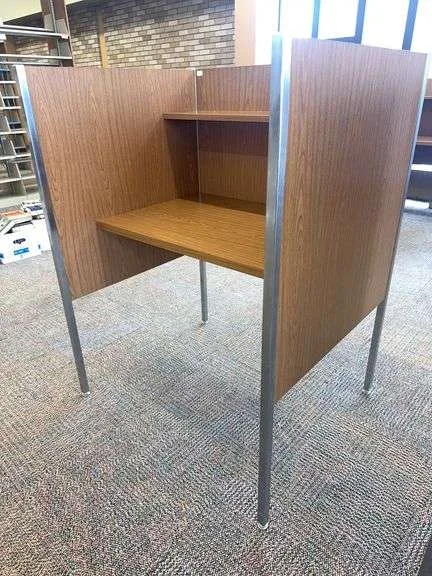
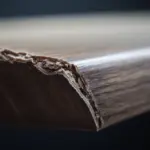
Image source: Bing (Web (fair-use with source credit))
A 60-second diagnosis you can do solo
You don't need a second person, and you don't need to flip anything upside down. Follow these steps in order:
- Rock the carrel gently. Push down on one corner, then the opposite corner. Listen for where the sound originates.
- Lift one leg at a time. Slide a thin piece of card under the glide. If the squeak stops, it's floor contact.
- Press at the frame joint. With the carrel on the floor, push down hard where the leg meets the frame. If it creaks, it's the bolt.
- Twist the leg. Grip the tube and try to rotate it. Any ticking sound points to the weld.
If two tests trigger the noise, you have two problems. Fix both. Fixing one and skipping the other brings the squeak back within days.
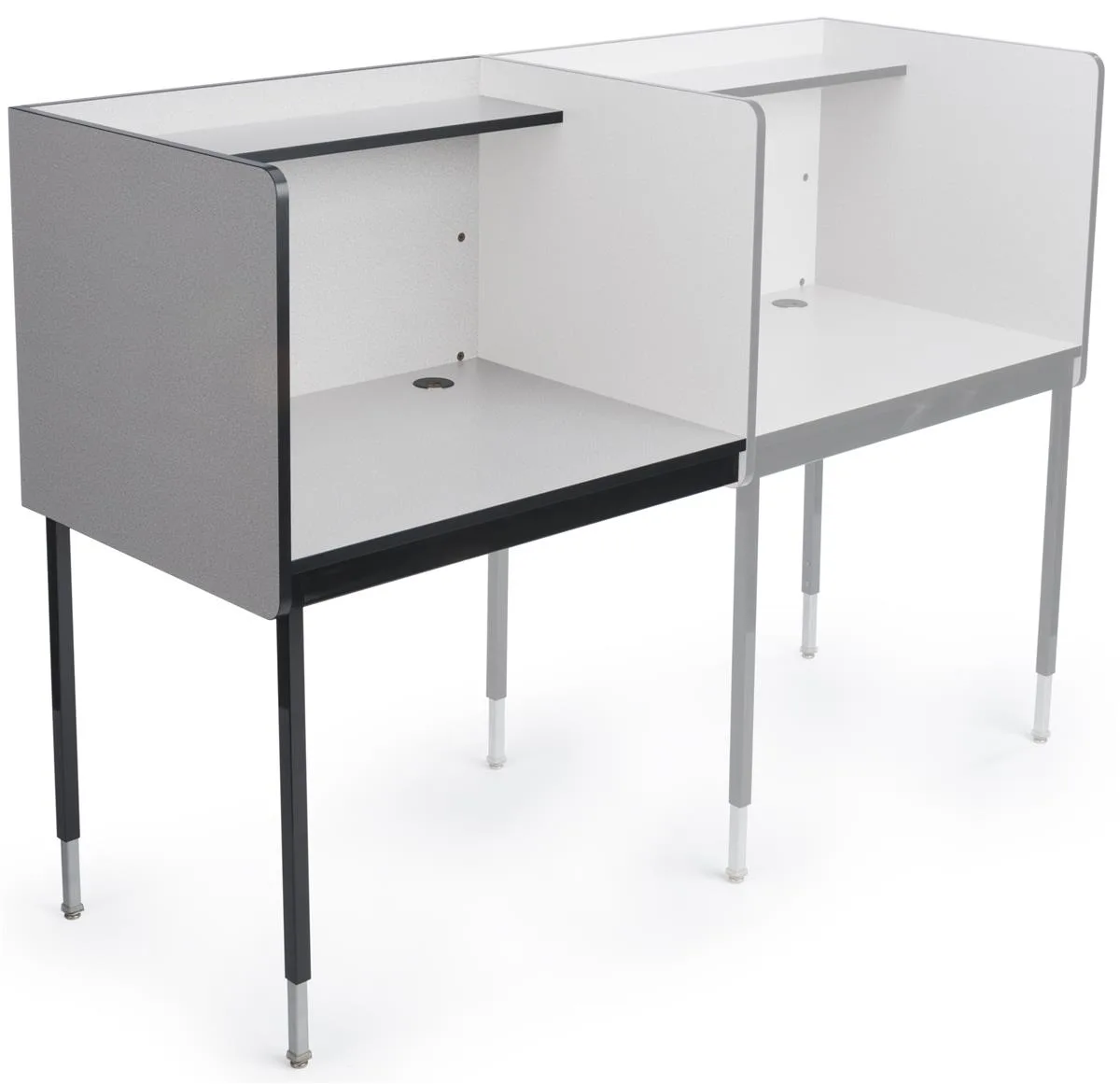
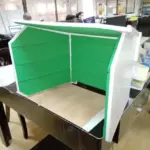
Image source: Bing (Web (fair-use with source credit))
Why the wrong fix makes it worse
Spraying WD-40 on a rubber glide is the classic mistake. Petroleum-based lubricants degrade rubber over time, turning a soft glide into a gummy mess that attracts grit. That grit then acts like sandpaper on your floor.
Wet oils also stain carpet and leave dark rings on vinyl tile. And on a welded joint, tightening hardware that isn't the problem can stress the weld further. If the weld is already fatigued, added tension can turn a hairline crack into a full failure.
Match the Fix to the Source
Now you know where the squeak is. The next step is picking the right fix for that specific source. Think of it as if/then logic.
- If the squeak is at floor contact, replace or pad the glide.
- If the squeak is at a bolted joint, tighten and lock the fastener.
- If the squeak is at a weld, isolate it with a shim. Do not tighten anything nearby.
- If the floor is uneven or sloped, level the leg before doing anything else.
Getting this order right saves you from chasing the wrong part.
Floor-contact squeaks: glides, pads, and leveling feet
Floor squeaks are the easiest and cheapest to fix. The glide is the plastic, rubber, or felt cap at the bottom of the leg. When it wears thin, bare metal contacts the floor directly.
That's your squeal.
If the glide is intact but the floor is hard, add a felt pad. If the glide is cracked or missing, replace it. Match the tube shape and diameter exactly.
A round insert won't fit a square tube, no matter how close the size looks.
Frame squeaks: bolts, brackets, and cross-braces
Bolted joints loosen over time, especially on flat-pack carrels. Every time someone leans back or shifts weight, the fastener moves a fraction of a millimeter. That movement is your creak.
The fix is straightforward. Snug the bolt, don't crank it. A 1/4-inch furniture bolt typically tops out around 5 to 7 ft-lbs.
That's barely past hand-tight. If the bolt keeps loosening, add a nylon-insert lock nut or a drop of blue thread locker.
Weld and tube-joint squeaks: when to shim, when to stop
Welded joints aren't meant to move. If one is squeaking, something has shifted. Options are limited here.
- Shim it. A thin rubber or plastic shim between the leg and the frame can absorb the movement and stop the noise.
- Isolate the contact. If the weld is between two metal surfaces, a strip of UHMW tape can break the metal-on-metal contact.
- Stop if you see a crack. A visible crack in the weld means the leg is no longer structurally sound. Stop using the carrel and flag it for replacement.
Do not try to tighten hardware around a cracked weld. You'll make the crack worse.
Fixing Each Type, Step by Step
Here's the full flow for each fix. Timings are based on manufacturer assembly guidance and typical cure specs.
The floor-contact fix
- Lift the carrel corner. Have someone hold it, or use a wedge.
- Peel off the old glide if it's worn or cracked.
- Clean the tube end with a dry cloth.
- Press in a new glide. It should sit flush.
- Add a felt or UHMW pad underneath if the floor is hard.
- Lower the carrel and rock it. If it still squeaks, the glide size is wrong.
Total time: 5 to 10 minutes per leg.
The bolted-joint fix
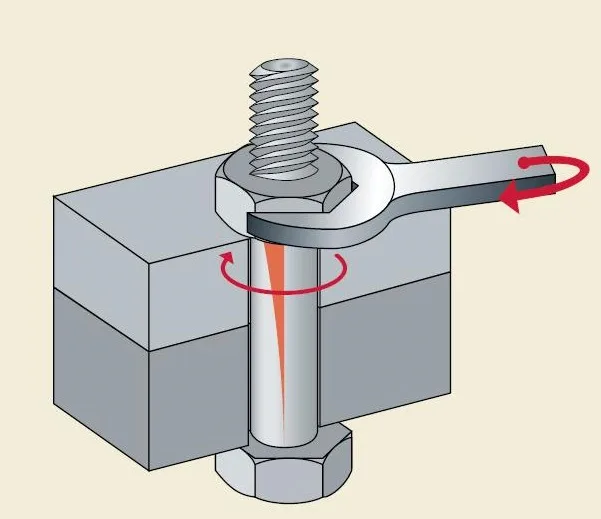
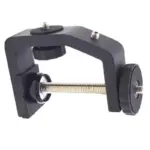
Image source: Web (Bing) / traxx-group.com (Web image (fair-use with source credit))
- Locate the bolt at the leg-frame junction.
- Match your hex key or socket to the bolt head. Don't force a wrong size.
- Tighten until snug. Stop the moment it stops turning freely.
- Add blue thread locker if the bolt keeps loosening.
- Let it cure for 24 hours before heavy use.
- Re-test by pressing down at the joint.
Total time: 5 minutes, plus 24 hours cure.
The welded-joint fix
- Confirm the weld is the source. Twist and rock the leg.
- Check for visible cracks. If you see one, stop.
- Cut a thin shim from rubber or UHMW plastic.
- Slip it between the leg and the frame at the contact point.
- Re-test. If the squeak is gone, you're done.
- If the squeak returns within a week, replace the carrel.
Adjusting uneven legs on sloped or carpeted floors
A wobbly carrel always squeaks. The leg that isn't touching the floor flexes every time someone sits down. If your carrel has threaded leveling feet, turn them out until all four legs make firm contact.
If the legs are fixed, use a thin shim under the shortest leg. A rubber shim works better than a coin because it absorbs vibration instead of transmitting it.
What to Use and What to Avoid
Lubricant choice is where most DIY fixes go wrong. Some products work. Others actively damage your carrel and your floor.
Dry PTFE, paraffin, silicone, graphite: the safe list
These four are safe for metal-on-metal contacts:
- Dry PTFE spray. Dries to a film, doesn't attract grit, safe on most surfaces.
- Paraffin wax. Rub a block on the contact point. Clean, cheap, and effective.
- Silicone grease. Good for bolts, but keep it away from rubber glides.
- Graphite powder. Works on tight metal joints. Messy on light-colored floors.
For anything touching rubber or carpet, skip these and use a physical fix like a felt pad instead.
Why WD-40 and wet oils backfire on rubber glides
WD-40 is a solvent, not a lubricant. On rubber, it swells and softens the material. Over weeks, the glide turns gummy and picks up dust, hair, and grit.
That grit then scratches hardwood and vinyl.
Wet oils also drip. A single drop on a carpet tile leaves a stain that won't come out with regular cleaning. If the goal is a silent, clean study space, wet lubricants are the wrong tool.
Felt vs. rubber vs. nylon vs. UHMW glides
| Glide type | Best for | Avoid on |
|---|---|---|
| Felt | Hardwood, vinyl, tile | Heavy loads, wet floors |
| Rubber | Carpet, uneven floors | Hard floors, long-term use |
| Nylon | Carpet, all-around use | Very hard floors |
| UHMW | Metal-on-metal contacts | Nothing, this is the safest all-rounder |
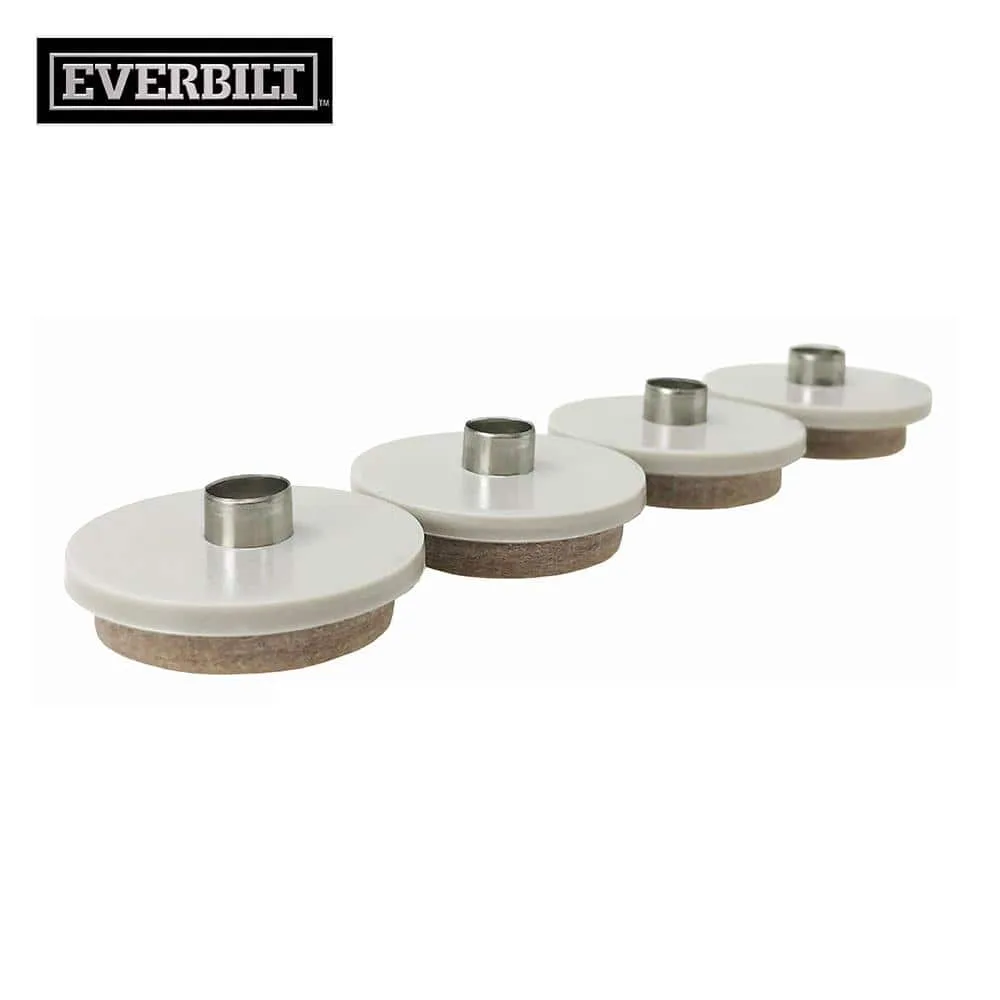
Image source: Web (Bing) / homedepot.com (Web image (fair-use with source credit))
Mistakes That Bring the Squeak Back
Most squeak fixes fail because the wrong part got attention. Here are the four most common errors we see in aggregate reviews and facilities reports.
Over-tightening bolts and crushing tube walls
Furniture bolts don't need much torque. A 1/4-inch bolt hits its job at 5 to 7 ft-lbs, which is barely past hand-tight. Cranking harder crushes the tube wall, strips threads, and creates a new rattle that's harder to fix than the original squeak.
Chasing a weld that's already cracking
If a weld is cracked, tightening something else won't help. You'll just add stress. A cracked weld is a structural problem, not a noise problem.
Flag the carrel for repair or replacement and get it out of the quiet zone.
Ignoring the floor underneath
A perfectly good glide squeaks on a warped or gritty floor. Clean the floor under the leg. Check for debris, dried adhesive, or a floor tile that's lifting.
Sometimes the carrel is fine and the floor is the problem.
Skipping the re-test on all four legs
You fixed one leg and called it done. Two weeks later, a different leg starts squeaking because it's been bearing extra load. Re-test all four legs after every fix.
It takes 30 seconds.
Costs, Timelines, and Tools
The whole repair is cheap. A pack of felt pads runs about $3 to $5. A set of replacement glides costs $5 to $12 depending on tube diameter.
Blue thread locker is around $8 for a bottle that'll last years. If you're adding UHMW tape, expect another $10.
Total worst case, doing all three fixes on one carrel: under $30 in parts.
How long each fix actually takes
| Fix | Active time | Cure time |
|---|---|---|
| New glide | 5 to 10 min per leg | None |
| Felt or UHMW pad | 2 min per leg | None |
| Bolt tighten | 5 min | None |
| Thread locker | 5 min | 24 hours full strength |
| Weld shim | 10 to 15 min | None |
If you're doing a room of 20 carrels, budget two to three hours for a full pass. That includes testing, fixing, and re-testing each one. Split it across two visits if you're using thread locker.
The small toolkit that covers every branch
You don't need much. A hex key set, a small socket set, a utility knife, and a dry cloth handle 90 percent of squeaks. Add a tube of blue thread locker and a sheet of felt or UHMW material and you're set.
Verified buyer feedback on institutional furniture parts suggests most library maintenance teams keep these in a rolling cart. That way the fix happens the same day the complaint comes in.
Keeping Carrels Quiet Long-Term
A squeak fixed today can return next semester. Regular inspection is what keeps a study room silent. You don't need to disassemble anything, just look and listen.
A semester or quarterly inspection routine
Walk the room once per semester. Rock each carrel. Look at the glides.
Check the bolts for visible gaps or rust streaks. Anything that creaks gets a 30-second diagnostic on the spot.
In higher-traffic libraries, quarterly is better. Midterms and finals spike use, so inspect two weeks before each exam period.
Seasonal triggers: dry winter heat and humid summers
Indoor heating dries out felt pads and rubber glides. They shrink, harden, and start squeaking. That's why winter complaints jump even when nothing has changed.
Humid summers cause the opposite problem. Wood subfloors swell, pushing against glides and increasing friction. If your library swings between both, plan inspections in late fall and late spring.
When it's cheaper to replace the carrel than fix it
If a carrel has a cracked weld, a bent leg tube, or three or more separate squeak sources, replacement is usually the smarter call. A single carrel runs $150 to $400 new, depending on the model and finish per manufacturer specs.
If the same carrel comes back with a new squeak every month, that's the sign. It's not the fix that's failing, it's the frame. Replacing it costs less than repeated maintenance hours over a year.
FAQs
Can I just spray WD-40 on the legs?
No, and it'll make things worse. WD-40 is a solvent, not a lubricant. It degrades rubber glides, attracts grit, and stains carpet.
Use dry PTFE spray or paraffin wax on metal contacts only. For anything touching rubber or floor finishes, switch to a felt or UHMW pad instead.
Why does my carrel only squeak when I lean back?
That points to a bolted joint, not the floor. Leaning shifts weight into the frame-to-leg connection. If that bolt is loose, every lean triggers a creak.
Tighten to snug, add blue thread locker if it keeps loosening, and re-test by leaning back a few times.
Do I need to replace the glide or just add a pad?
Replace it if the glide is cracked, missing, or worn thin enough that metal touches the floor. If it's still solid but the floor is hard, add a felt or UHMW pad underneath. Just adding a pad on top of a worn glide won't help.
The glide itself is the problem.
Is a squeaking weld a safety issue?
It can be. A squeak alone isn't dangerous, but a visible crack in the weld is. A cracked weld means the leg is no longer structurally sound.
Stop using that carrel, tag it, and get it off the floor for repair or replacement. Don't tighten hardware around it.
How do I stop a carrel squeaking on carpet?
Start with the glide type. Rubber or nylon glides work better on carpet than felt, which grabs and bunches. If the leg is still creaking, check the bolted joint.
Carpet hides uneven floors, so a leg may be bearing extra load. Shim the shortest leg with a thin rubber piece to level things out.
Should I use thread locker on every bolt?
Only on bolts that keep loosening after a snug tightening. Most carrel bolts hold fine without it. Blue thread locker is the right strength.
Skip red, which is permanent and will fight you at the next repair. Let blue cure for 24 hours before heavy use.

Similar Posts